Material Detail
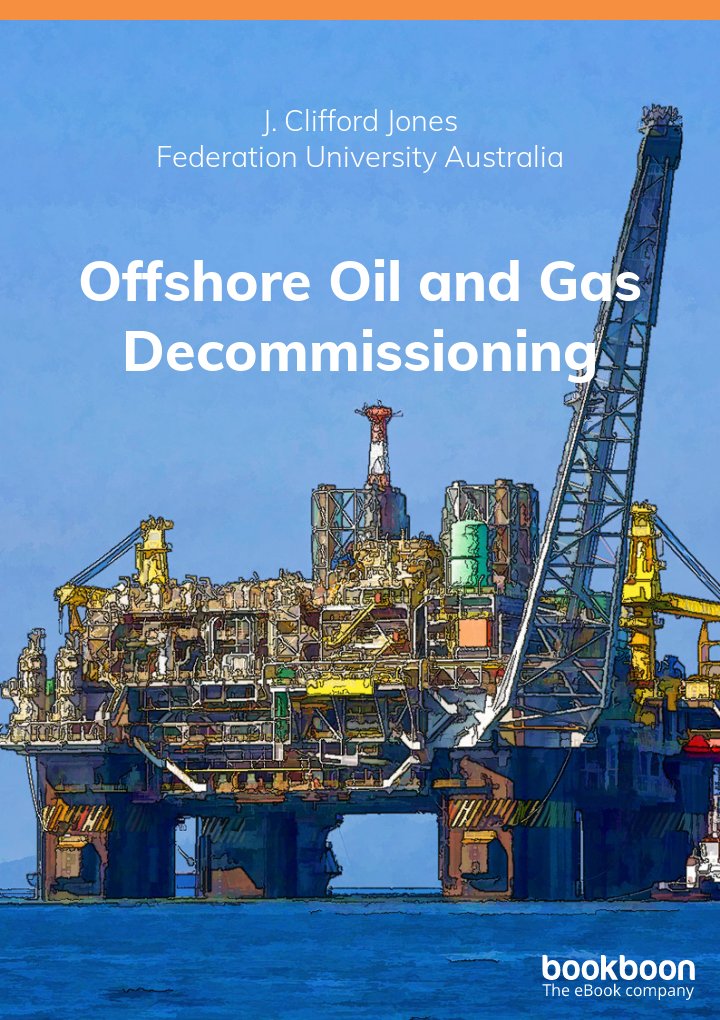
Drilling, Completing, and Producing from Oil and Natural Gas Wells
Once a suitable well location has been identified, permitted, and leased, the next steps for oil and natural gas development are drilling, completion, and production:
Drilling typically takes about 50-60 days. It starts with preparing the site (clearing and leveling) and setting up a drilling rig to drill a borehole and feed steel pipe into the well. Drilling mud is used to manage downhole pressures, provide information about the...
Show More
Quality
- User Rating
- Comments
- Learning Exercises
- Bookmark Collections
- Course ePortfolios
- Accessibility Info
More about this material
- Material Type:
- Online Course Module
- Date Added to MERLOT:
- September 30, 2024
- Date Modified in MERLOT:
- September 30, 2024
- Author:
- Precourt Institute for Energy, Stanford University
- Submitter:
-
Cathy Swift


- Primary Audience:
- College Lower Division, College Upper Division
- Technical Format:
- Website
- Mobile Compatibility:
- Not specified at this time
- Language:
- English
- Cost Involved:
- No
- Source Code Available:
- Unknown
- Creative Commons:
-

This work is licensed under a Attribution-NonCommercial-ShareAlike 4.0 International