The Media
The Media
When we talk about traditional media, we are talking about media that has been consumed by the majority of Americans and stood the test of time. In this case, we are talking about cable news and newspapers. As Mark Kersten brilliantly puts it, "... there is no escaping the fact that reporters, filmmakers, and journalists are integral to how we understand - and misunderstand - the causes and dynamics of mass violence"2 (Kersten). In the United States today, the media gives an overall accurate and in-depth look at the Holocaust. While it may not be covered often, due to the time that has passed since, the Holocaust is discussed in memorial specials and in relation to genocides occurring today. This occasional reference is essential in reminding people of what this atrocity was and how important it is in world history, as well as educate younger viewers. Referencing the Holocaust can have a positive impact, but over-referencing it can have a negative impact. The word 'Holocaust' is thrown around too often, along with the word 'Nazi.' These words hold weight and reference serious evil-doing in the past. If we use these words to describe any mass killing or any political figure we dislike, we risk diluting the emotion and memory associated with them.
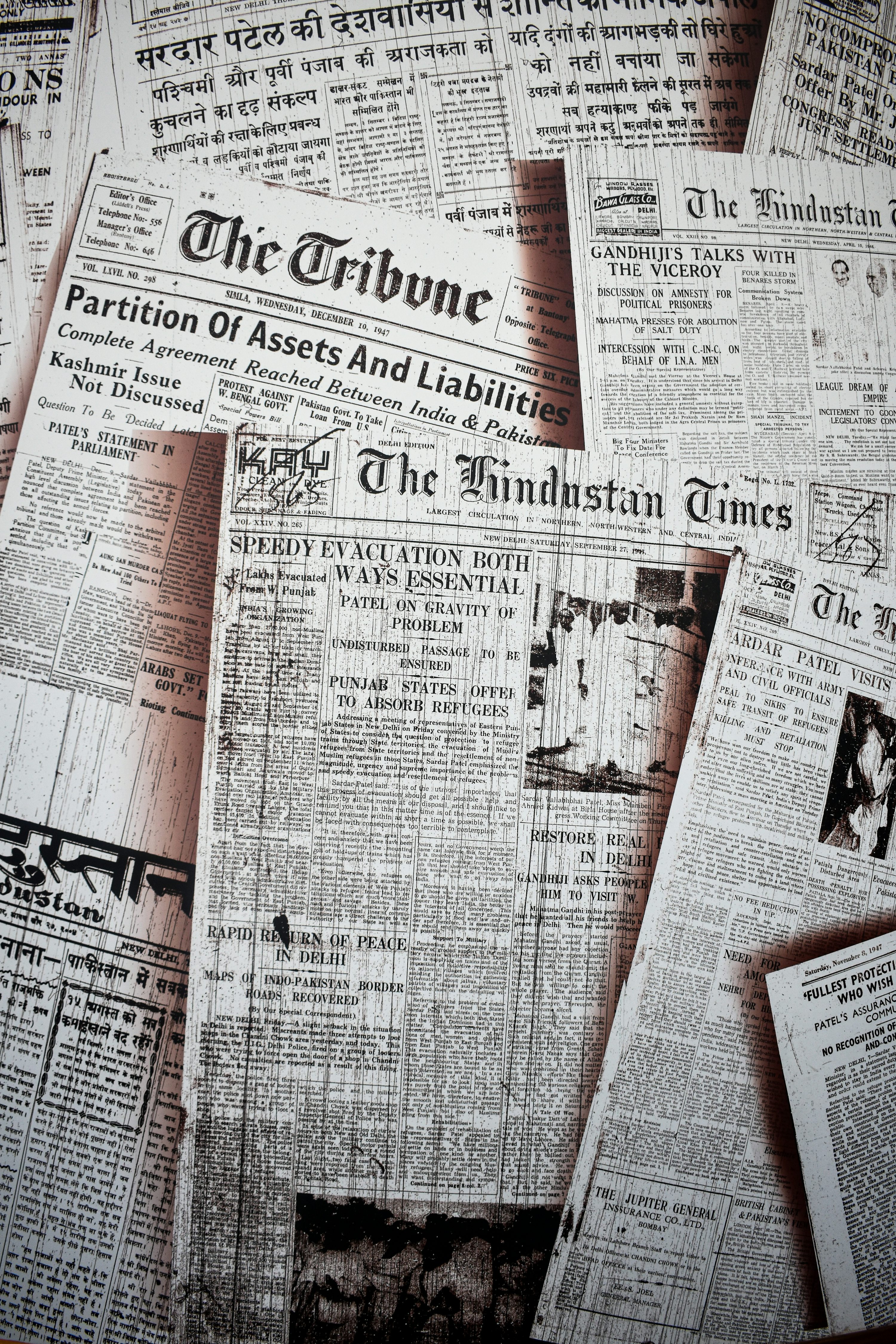
Throughout the late 30s and early 40s, as the Holocaust was underway, American newspapers rarely reported on the atrocity. One of the primary reasons was the fact that the Allied forces were laser-focused on ending the war and defeating Germany, that they didn't pay much attention to the Holocaust. There was also widespread antisemitism in the United States during this period, with many Nazi sympathizers early on in the war. This made it 'unpopular' to defend European Jews and criticize the Nazis. Journalists at this time also strictly followed U.S. policy and only published what the government wanted, unlike today.
The rise of social media and the internet has allowed information to be accessed anytime, anywhere, including information about the Holocaust. On one hand, social media is great for finding information and hearing from victims or experts on topics such as the Holocaust. Someone can hear stories they otherwise wouldn't have been able to hear through traditional media, as news stations and papers are heavily edited and are designed to promote a certain view. On the other hand, the lack of regulation on social media platforms can lead to misinformation about the Holocaust, and even denial of its occurrence.