NTRS 3510, Adult Nutrition
NTRS 3510, Adult Nutrition
Purpose: to help other instructors teaching the same course
Common Course ID: NTRS 3510
CSU Instructor Open Textbook Adoption Portrait
Abstract: This open textbook is being utilized in numerous sections of a General Education course for undergraduate students by various faculty members at Cal State LA. The open textbook provides a solid overview of fundamental nutrition concepts, in addition to engaging stories about historical and cultural events that shaped nutrition understanding. The main motivation to adopt an open textbook was to provide a no-cost comprehensive resource for first-generation college students. The textbook is augmented with information from recent news articles, websites and videos as some information about dietary guidelines is obsolete or links no longer work. Most students access the open textbook online through a link in their course resources published on Canvas.
Course Title and Number - NTRS 3510, Adult Nutrition
Brief Description of course highlights: Examine the nutritional needs and common diseases affecting adults; promote adult health by nutritional intervention.
Student population: This course is designated as a GE Category: UD Block B GE. Upper division, junior or senior students, fulfilling the natural science requirement outside their major.
Learning or student outcomes:
- Discuss the relationships among health, nutrition and physical fitness.
- Identify social, environmental, cultural and psychological factors that impact why, what, and how much we eat.
- Use nutrition calculations and tools to analyze health status and dietary nutrient content to achieve healthy eating patterns.
- Identify appropriate nutrition-related interventions to protect against adult chronic diseases such as heart disease, obesity, type 2 diabetes, cancer and neurodegenerative diseases.
- Determine reliable sources of nutrition information.
- Review behavioral strategies to support healthy change, such as meal prepping; stretching food dollars, and choosing along an environmental-friendly spectrum.
- Apply nutrition knowledge to promote healthy eating patterns, including selecting nutrient-dense foods and practicing portion control.
Key challenges faced and how resolved: Many OER nutrition textbooks are not as current as necessary to reflect most recent nutrition guidelines and evidence base. Courses using OER resources will need to augment with information from recent news and research articles, websites and videos.
Textbook or OER/Low cost Title: Nutrition: Science and Everyday Application
Brief Description: I have chosen this free OER textbook because I want to support my students and their pursuit of higher education. Most of my students are first-gen. Textbook costs should not be a barrier to them being successful, as I know many of them are working full-time to support themselves and their families as they go to school.
This textbook provides an excellent foundational description of nutrition and its impact on human health. These facts are typically unchanging. However, some of the information in the textbook is not the most current nutrition guidance, as the guidance is always changing. The most up-to-date information is posted in the Canvas unit resources. Additionally, some of the links in the textbook no longer work. Students are not be responsible for any obsolete or unlinked information.
Please provide a link to the resource - Access the book through the web or download a copy to your computer. A link is provided in the weekly modules. https://www.oercommons.org/courses/an-introduction-to-nutrition-v1-0/view
Authors: Alice Callahan, PhD, Heather Leonard, MEd, RDN, and Tamberly Powell, MS, RDN.
Student access: Canvas, course management system
Provide the cost savings from that of a traditional textbook. To purchase a hardcopy: $225.00
License: Creative Commons Attribution-Non Commercial 4.0 International License (CC BY-NC 4.0)
OER/Low Cost Adoption Process
Provide an explanation or what motivated you to use this textbook or OER/Low-Cost option. Reduce costs for first-gen students
How did you find and select the open textbook for this course? Found textbook by browsing OER sites.
Sharing Best Practices: It takes time to sift through the options, so don’t be discouraged.
Describe any key challenges you experienced, how they were resolved and lessons learned. As a dynamic science, nutrition information is constantly being updated and revised. The textbook is augmented with information from recent news articles, websites and videos as some information about dietary guidelines becomes obsolete or links no longer work.
Instructor Name - Suzanne Elizondo
I teach in the Nutrition Department at California State University, Los Angeles. 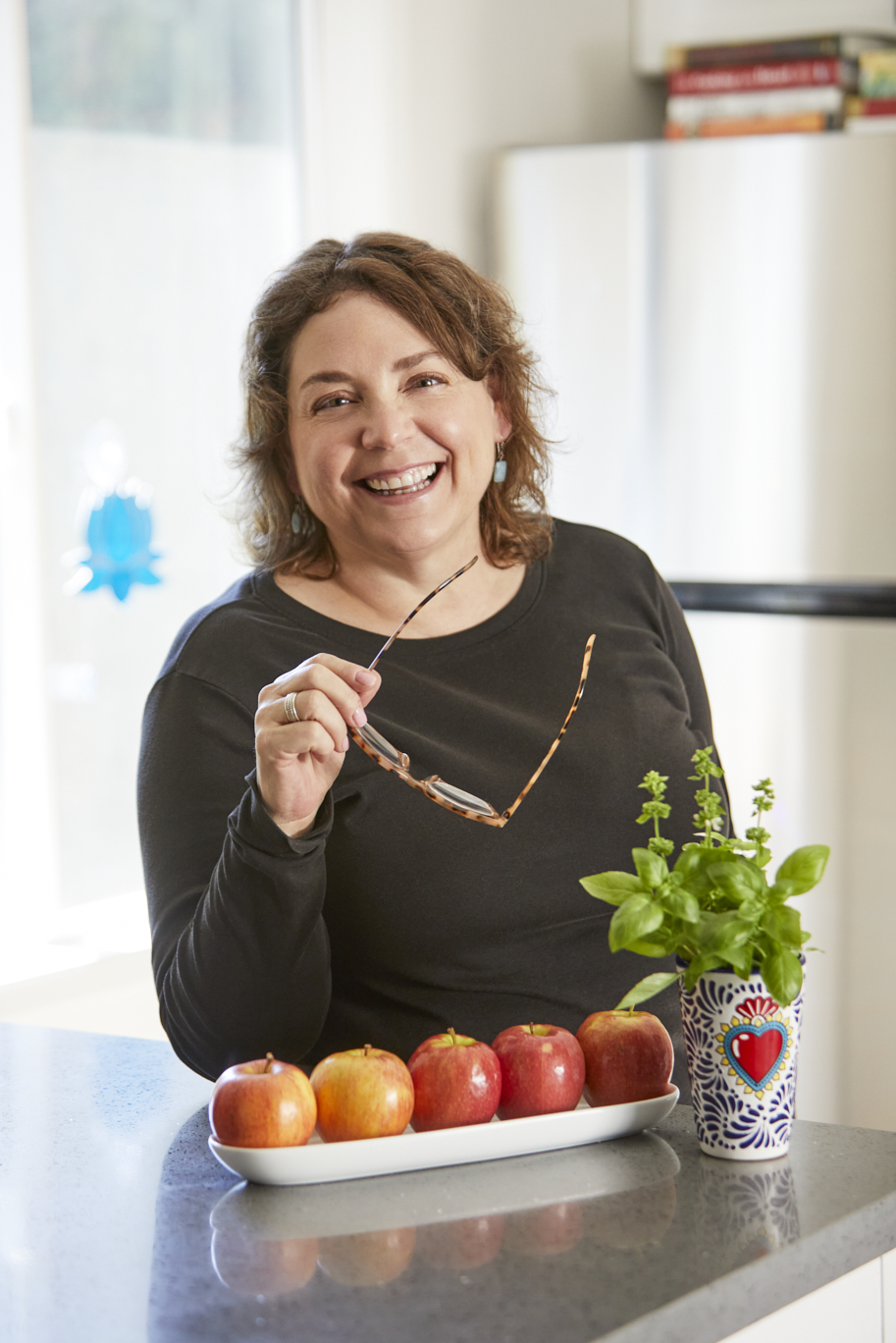 Please describe the courses/course numbers that you teach. I teach in the Nutrition department at Cal State LA. My assigned classes include Adult Nutrition, as well as undergraduate and graduate nutrition counseling, and lifespan nutrition. The nutrition counseling courses, both at undergrad and graduate levels, develop the counseling skills for nutrition counseling and explore behavior modification techniques to improve health outcomes in outpatient and clinical settings. Lifespan nutrition examines the nutritional concerns, requirements, and metabolism from pregnancy through older adulthood, including how culture, environment, and economic factors influence each life cycle stage. Adult nutrition examines the nutritional needs and common diseases affecting adults; promotes adult health by nutritional intervention.
Describe your teaching philosophy and any research interests related to your discipline or teaching. My teaching philosophy centers on creating a compassionate, inclusive, and experiential learning environment where students feel empowered to connect knowledge with real-world practice. I view teaching as a form of partnership—cultivating curiosity, empathy, and reflective awareness alongside scientific understanding. In the field of nutrition and dietetics, I emphasize the development of counseling and communication skills that honor the dignity and autonomy of every client.
My research interests focus on integrating mindfulness and empathy into nutrition education and exploring how artificial intelligence can support the acquisition of counseling and motivational interviewing skills. Through this work, I aim to bridge the gap between theory and practice, helping future dietitians develop the self-awareness and relational competence essential for meaningful, client-centered care.