
MADT 102 Design Thinking
MADT 102 Design Thinking
Purpose: to help other instructors teaching the same course
Common Course ID: MADT 102
CSU Instructor Open Textbook Adoption Portrait
Abstract: This open textbook is being utilized in a Design Thinking course for undergraduate or graduate students by Christine Jinmin Eum at California State University, Chico. The open textbook provides structured, activity-based learning materials including ideation exercises, prototyping guides, user testing worksheets, and reflection prompts to support hands-on engagement. The main motivation to adopt an open textbook was to improve learning outcomes by replacing outdated remote-centric materials with accessible, in-person collaborative resources tailored to student needs. Most students access the open textbook in digital format via the campus learning management system (Canvas) or through direct links to OER repositories.
Course Title and Number - MADT 102 Design Thinking
Brief Description of course highlights: An introduction to design thinking, a human-centered approach to innovation. Using methodologies or user-centered design, observational research, rapid prototyping, collaboration and system, this course explores creative problem solving. https://catalog.csuchico.edu/search/?search=MADT+102+Design+Thinking&check=cat&submit=Submit
Student population: Students in MADT are required to take this course, and the class is also offered as a General Education course. It serves a highly diverse student body from a wide range of majors including:
- Communication Design
- Media Arts: Production
- Psychology
- Journalism
- Mathematics
- Mechanical Engineering
- Music
- Criminal Justice
- Communication Studies
- Art
- Business Administration
There are no prerequisites, so incoming students typically have varying degrees of familiarity with design processes and tools.
Learning or student outcomes:
- Identify and describe fundamental concepts and methodologies within the design thinking framework.
- Apply empathy-based user research techniques to inform design decisions and solutions.
- Construct and test prototypes using iterative design thinking processes.
- Evaluate and critique design solutions through user feedback, demonstrating informed decision-making.
- Create innovative solutions by integrating creative ideation methods, such as SCAMPER and other structured frameworks.
- Demonstrate effective communication skills specific to design thinking through visual presentations, written documentation, and oral discussions.
Key challenges faced and how resolved: Locating comprehensive and current OER materials specific to design thinking proved difficult, especially those designed for in-person engagement. Additionally, transitioning from a 100% online format to a face-to-face learning environment required redesigning activities to encourage collaborative and experiential learning.
To address this, I developed and adopted open access resources that emphasize physical collaboration, ideation, prototyping, and testing, aligned with real-world design thinking practices. These materials were designed with accessibility, clarity, and interactivity in mind.
Syllabus and/or Sample assignment from the course or the adoption OER materials are used extensively from Weeks 5–13. See Syllabus for details.
OER/Low Cost Adoption Process
Please provide an explanation or what motivated you to use this textbook or OER/Low Cost.To better support in-person, collaborative learning and to replace outdated materials designed for remote instruction. Cost savings and pedagogical customization were additional key drivers.
How did you find and select the open textbook for this course? I browsed OER repositories and reviewed peer-contributed assignments. Ultimately, I created original OERs tailored to the unique structure and student needs of this course.
Sharing Best Practices: I found it helpful to start small. Beginning by replacing just one or two components, such as an activity or worksheet, helped me develop materials that were both focused and detailed. I recommend starting with what already works well in your class, and identifying areas you feel could be improved. As you create your own materials, keep adaptability and reusability in mind. Aim to design modular, editable content that can be easily updated or customized for future use—by yourself or by other educators in your field.
Describe any challenges you experienced, and lessons learned. Many OER materials were outdated, and the searching for the right OER material was extremely time consuming.
Instructor Name - Christine Jinmin Eum
I am a UX/UI Design and Research lecturer at the California State University, Chico.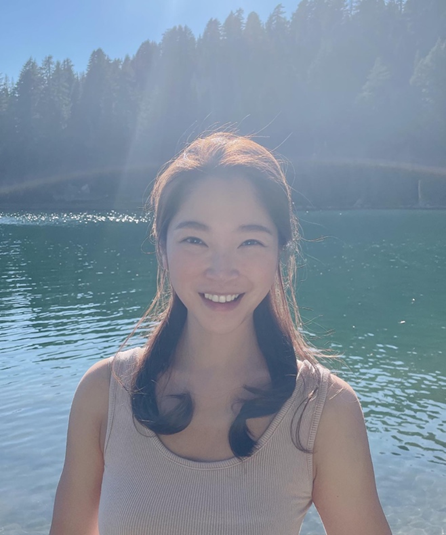
Please provide a link to your university page.
https://apps.csuchico.edu/directory/Employee/cjeum
Please describe the courses you teach I teach courses within the Department of Media Arts and Technology mostly for Communication Design and UX/UI Design& Research related field. The courses I teach introduces and practices human-centered design approaches and hands-on digital product and print design skills. I also teach Design Thinking, Human Factors, Advanced Graphic Design, Time-Based Media Design, and Information Design.
Describe your teaching philosophy and any research interests related to your discipline or teaching. I am passionate about creating hands-on, memorable learning experiences for lower-level students and preparing upper-level students with industry-relevant design and research skills. My work emphasizes inclusive design, interdisciplinary collaboration, and AI-integrated design education.
Textbook or OER/Low cost Title:
Designing With Constraints Activity & Reflection Guide
Prototyping for Persona Activity & Reflection Guide
SCAMPER Activity & Reflection Guide
User Testing Worksheet
Brief Description: This suite of open educational resources supports an iterative, activity-based pedagogy rooted in design thinking. Each module introduces a structured design activity (e.g., SCAMPER ideation, persona-driven prototyping, user testing) followed by reflection prompts to deepen student learning. The resources prioritize hands-on engagement, visual thinking, and group collaboration, while aligning with key stages of the design thinking process. The materials are instructor-authored, adaptable, and openly licensed, with clear facilitation instructions and printable worksheets to enhance both in-person and hybrid delivery formats. https://drive.google.com/drive/folders/1_9MkPuHqf0PMte_MdnThpc947b7iSNoN
Authors: Christine Jinmin Eum
Student access: Students access the materials through the campus learning management system (Canvas), with downloadable print-friendly PDFs also provided.
Supplemental resources: SCAMPER Ideation Assignment Instructions and User Testing Activity Instructions
Provide the cost savings from that of a traditional textbook. This OER replaces commercial textbooks and supplementary materials typically costing $60–$120. By using freely accessible, instructor-created resources, students experience 100% cost savings.
License: The material is openly licensed under [insert applicable Creative Commons license, e.g., CC BY-NC-SA 4.0].