HSC 327: Advanced Substance Use Policy and Advocacy
HSC 327: Advanced Substance Use Policy and Advocacy
Purpose: to help other instructors teaching the same course
Common Course ID: HSC 327
CSU Instructor Open Textbook Adoption Portrait
Abstract: This open textbook is being utilized in a Substance Use Policy course for undergraduate or graduate students by Banafshe Sharifian-Attar at California State University, Long Beach. The open textbook provides textbook chapters, supplemental materials including videos, lesson plans, and more. The main motivation to adopt an open textbook was to make learning more accessible and affordable to students. Most students access the open textbook in online formats through an ebook.
HSC 327: Advanced Substance Use Policy and Advocacy
Brief Description of course highlights: From the course catalog: H SC 327 - Advanced Substance Use Policy and Advocacy (3 units) Prerequisite: Upper Division Standing. Examine current and historical landscapes and public policy as they relate to substance use around the world. In the United States, particular attention is paid to the impact of such policies upon vulnerable populations, including the War on Drugs, mass incarceration, and racial justice. Current public health issues include opiate epidemics, harm reduction movement, decriminalization, provision of prevention/treatment services, and bridging gaps in research to inform public policy.
Student population: Upper division standing, Health Science and other majors.
Course Prerequisites: Upper division standing
Learning or student outcomes: Measurable Student Learning Outcomes, Evaluation Instruments, and Instructional Strategies for Skill Development
Areas of Responsibilities and Competencies for the Health Education Specialist (HESPA II, 2020 – Effective 2022)
Area I: Assessment of Needs and Capacity
Competency 1.1: Plan assessment.
Competency 1.2: Obtain primary data, secondary data, and other evidence-informed sources
Competency 1.3: Analyze the data to determine the health of the priority population(s) and the factors that influence health.
Competency 1.4: Synthesize assessment findings to inform the planning process.
Area V: Advocacy
Competency 5.1: Identify a current or emerging health issue requiring policy, systems, or environmental change.
Competency 5.2: Engage coalitions and stakeholders in addressing the health issue and planning advocacy efforts.
Competency 5.3: Engage in advocacy.
Area VI: Communication
Competency 6.1: Determine factors that affect communication with the identified audience(s)
Competency 6.2: Determine communication objective(s) for audience(s).
Competency 6.4: Select methods and technologies used to deliver message(s).
Competency 6.5: Deliver the message(s) effectively using the identified media and strategies
Student Learning Outcomes
Shared HSC Major Outcomes (emphasized in this course is in bold)
Successful completion of the Health Science undergraduate program will result in students’ abilities to:
- Demonstrate the core functions of public health and health education competencies.
- Implement ethical and culturally-relevant practices in public health research and health education.
- Identify key theoretical, research, and practice issues relevant to the fields of public health and health education.
During the program, students will develop foundational, professional skills necessary to succeed in the dynamic environment of the allied health fields and graduate-level academic programs, including:
- Interpret in-depth information from relevant sources representing various points of view/approaches for health information.
- Develop written and oral communication skills in order to serve as an effective health resource person as well as facilitate development and maintenance of collaborative relationships.
- Demonstrate critical thinking and problem-solving skills to enhance program development, implementation, and evaluation efforts related to priority public health issues.
- Interpret research and related qualitative and quantitative data to promote evidence-based practice.
- Demonstrate cultural competence necessary to work within diversity and account for contextual influences that impact health equity.
- Demonstrate management and leadership skills to integrate research and practice to inform public health policy development.
Shared GE Student Learning Outcomes: Life Long Learning and Inquiry
- Integrated communication – Upon completion of this course student will have demonstrated the ability to fulfill the assignment by choosing a format in a way that enhances meaning.
- Transfer- Upon completion of this course students will have demonstrated the ability to adapt and apply skills, abilities, theories, of methodologies gained on one situation to a new situations
Content Based Student Learning Outcomes: Upon successful completion of the course the student will be able to:
- Discuss current and historical policies related to substance use.
- Examine social determinants of health and health disparities as they relate to substance use prevention, treatment, and regulation.
- Develop a culturally responsive advocacy strategy related to substance use.
- Evaluate the effectiveness of substance use policy and programs.
To illustrate how the open textbook is used in the course.
Syllabus, Advocacy Project, Policy Research Paper
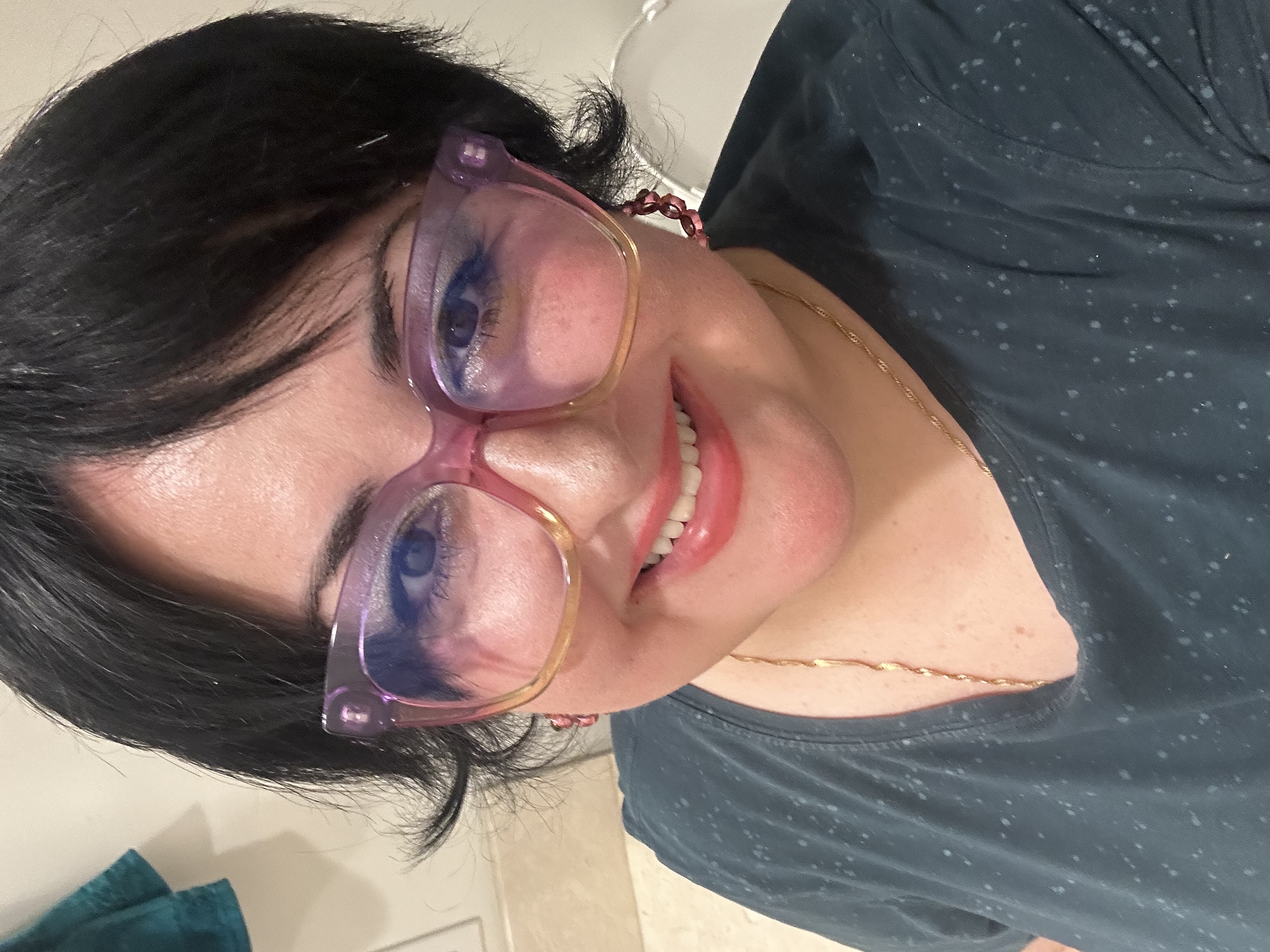
Banafshe Sharifian-Attar
I am a health science professor at CSULB. I teach personal health, introduction to public health, community health, human sexuality, substance use prevention and policy, program planning, community health statistics, and more.
Please provide a link to your university page: https://www.csulb.edu/college-of-health-human-services/health-science/page/banafshe-sharifian-attar-mph
Please describe the courses you teach Any courses related to public health and the health science field such as community health, personal health, program planning, human sexuality, substance use policies, and more.
Describe your teaching philosophy and any research interests related to your discipline or teaching.
focus on teaching, not discipline. Focus on understanding, not punishing. Focus on current events and practice, not just theory.
I am interested in substance use policy and research, especially evidence based methods of treatment and rehabilitation.
Textbook or OER/Low cost Title: This resource provides a listing of text, chapters, lesson plans, and videos that serve as free learning materials for students in HSC 327.
Please provide a link to the resource Resources
Student access: MERLOT, CSULB Library, YouTube
Supplemental resources:
Drugs and Drug Policy
Theories of Drug Use and Abuse
The Effects of Drugs Part I: Stimulants, Depressants, and Opioids
The Effects of Drugs Part II: Hallucinogens, Dissociatives, Marijuana, and Antidepressants
Patterns of Legal Drug Use
Drug Treatment
Policies Regulating Legal Drugs Part I
Policies Regulating Legal Drugs Part II
Policies Regulating Illegal Drugs
Provide the cost savings from that of a traditional textbook: Prices estimates based on costs listed on Amazon.com: Textbook (paper and hardcopy): $160-$190. Ebook: $54-$84
License: All materials are openly licensed
Provide an explanation or what motivated you to use this textbook or OER/Low Cost option. I wanted to even the playing field when it comes to access to education. This is done by a variety of methods, one being providing free or low cost materials to students.
How did you find and select the open textbook for this course? I consulted librarians, other faculty, browsed OER sites, read peer reviews, evaluated resources, etc
Sharing Best Practices: Merlot needs a lot of work. Focus on enlisting the help of librarians to find other resources from the library database.
Describe any key challenges you experienced, how they were resolved and lessons learned. Merlot leaves a lot to be desired. The search results are lacking at best, and it needs a huge overhaul.