CAS 201: Child, Family, and Community
CAS 201: Child, Family, and Community
Purpose: to help other instructors teaching the same course
Common Course ID: CAS 201
CSU Instructor Open Textbook Adoption Portrait
Abstract: This open textbook is being utilized in a Child and Adolescent Studies course for undergraduates by Claudia G. Pineda at California State University, Fullerton. The open textbook provides similar content to the previous textbook used for the class, but lacks some discussion points, so library resources were used to supplement. The main motivation to adopt an open textbook was to reduce student costs. Most students access the open textbook through a link or from a PDF uploaded to the course canvas page.
Course Title and Number: CAS 201: Child, Family, and Community
Brief Description of course highlights: Relationships between child, family and community members; interaction among systems; influences of gender, abilities, language, culture, race, ethnicity, socio-economic status and political factors; impact of bias and stereotyping; community resources and culturally competent practices to support families.
Student population: Mostly Child and Adolescent Studies majors, but the class is open to non-majors. It is one of the Core Courses in the major, so all the native freshmen take it.
Learning or student outcomes: List student learning outcomes for the course.
1. Identify and describe theories of socialization that address the interrelationship of child, family, culture, and community.
2. Describe family characteristics that impact child outcomes.
3. Describe educational factors with an emphasis on teacher practices that impact the lives of children and families.
4. Identify community-based agencies and organizations that impact the lives of children and families.
5. Describe political factors that impact the lives of children and families.
6. Identify advocacy strategies intended to impact public policy on behalf of children and families.
7. Identify current social issues including poverty, immigration, and educational inequities and discuss their potential impact on children, families, schools, and communities.
8. Identify and describe key components of cultural competency.
Textbook or OER/Low cost Title: Child, Family, Community. (LibreTexts)
Brief Description: This textbook covers similar concepts and chapters I used to cover with the prior textbook, such as families, schools, and communities. It also includes a discussion of the theories we cover in the class, such as Bronfenbrenner, Piaget, Socio-cultural theories, and Learning Theories. While the textbook is more concise and sometimes does not offer as thorough a discussion of some of the topics I like to cover, I have used other readings and sections of the prior textbook to complement what the OER textbook lacks.
Please provide a link to the resource https://socialsci.libretexts.org/Bookshelves/Early_Childhood_Education/Child_Family_and_Community_(Laff_and_Ruiz)
Authors: Rebecca Laff and Wendy Ruiz
Student access: Students get the link to the textbook. I also downloaded a PDF copy that I make available through Canvas, so that students that prefer to have a PDF version can use it.
Supplemental resources:
-In collaboration with two colleagues, I led the process of reviewing different OER textbooks to decide which one was better suited for the class. We used an excel file that allowed us to include notes to compare the 2 textbooks we carefully reviewed.
-We created a document per topic (e.g., advocacy) with additional websites that could help faculty make the switch to OER and include it in lectures.
-I created a draft document that links the Course Learning Objectives with the OER textbook and another with the breakdown of readings by topic that could be included in a syllabus.
-We also put together a Dropbox folder with subfolders for supplemental readings for the different topics not covered in the OER textbook. For example, we included readings on advocacy, the effects of poverty, early childhood education and the effect of neighborhood factors and extreme heat in child development.
-Additionally, we compared the Cultural Competency department learning objective and the Cultural Competence Framework with the resources we had available to identify which ones needed additional emphasis and resources.
Provide the cost savings from that of a traditional textbook.
The current cost of the textbook I used is $98 on Amazon.
License: CC BY 4.0
OER/Low Cost Adoption Process
Provide an explanation or what motivated you to use this textbook or OER/Low Cost option. The research on how the cost of textbooks impact students in the CSU. The realization that while I liked the book, the cost was an obstacle to actually covering the material.
How did you find and select the open textbook for this course? FWorked with librarians and other colleagues in the department.
Sharing Best Practices: Michaela was critical in identifying potential substitutions and resources. Her work gave us a starting point. We also looked at different syllabi for similar classes to identify open source textbooks. However, the most important practice was having a group of colleagues who teach CAS 201 collaborate to put the resources together.
Describe any key challenges you experienced, how they were resolved and lessons learned. The main challenge has to do with the main strength of traditional textbooks, which is having the most up-to-date research in each edition. Including other reports or articles that become outdated is probably the most difficult aspect of not using traditional textbooks. However, ongoing collaboration with colleagues where we share new or more recent resources to teach similar sections is very helpful.
The other challenge is that the OER textbooks go in less depth on some of the topics. This is good for students who feel the textbooks are overwhelming. I see this issue as a compromise where I try to supplement for the depth some of the resources lack with additional materials.
I think an important lesson is to more heavily rely on the library resources through the staff who have the time to help faculty identify readings and materials not necessarily on our radar.
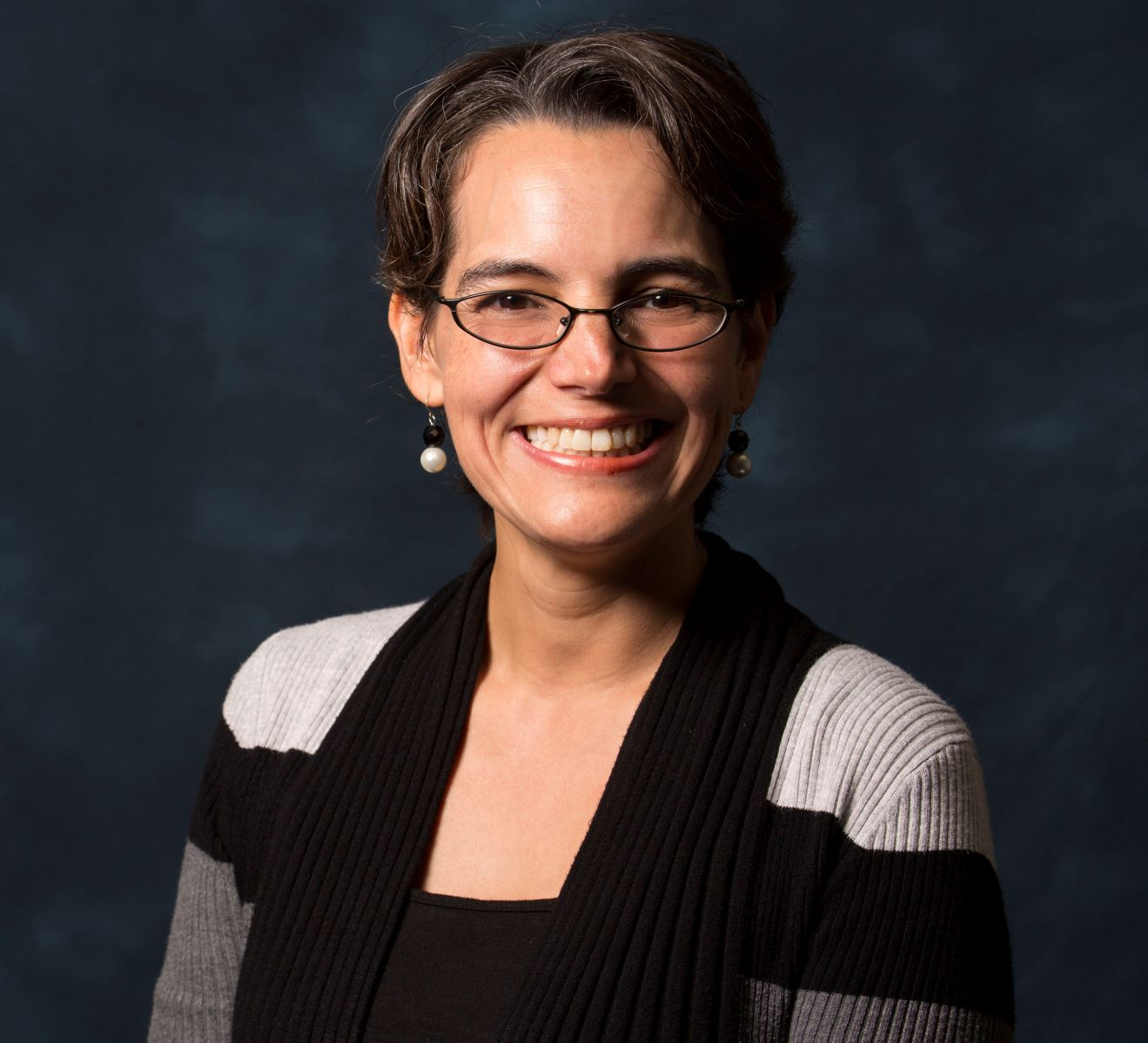
Instructor Name - Claudia G. Pineda
I am a Child and Adolescent Studies associate professor at California State University, Fullerton.
 Please provide a link to your university page.
https://hhd.fullerton.edu/cas/faculty/index.html
Please describe the courses you teach
CAS 201 - Child, Family, and Community
CAS 325B – Development: Age 9 through Adolescence
CAS 394/474/494 – International Practicum (Thailand, Costa Rica)
CAS 394 – Introductory Practicum in Child and Adolescent Studies
CAS 490T – Senior Seminar in Child Development: Culture & Ethnicity in Development
Describe your teaching philosophy and any research interests related to your discipline or teaching. Dr. Pineda investigates the role of context and culture in promoting emotional and academic resilience among Latino immigrant youth. She is particularly interested in conceptualizing the ways in which ethnic culture constitutes an asset for youth and families and how educators can develop culturally responsive competencies to promote positive development. Dr. Pineda most recent research explores the development of cultural competencies among child development practitioners in relation real-life professional ethical dilemmas and the integration of child development research, personal values, and professional ethical principles. She is particularly interested in dilemmas that include conflicting ethical principles, such as those related to cultural differences and gender identity/expression. Dr. Pineda has employed a range of qualitative and quantitative methodologies in various areas of inquiry, including acculturation, ethnic identity, intergroup relations, future orientation, youth entrepreneurship, and heritage after-school programs.