CAS 201: Child, Family, and Community
CAS 201: Child, Family, and Community
Purpose: to help other instructors teaching the same course
Common Course ID: CAS 201
CSU Instructor Open Textbook Adoption Portrait
Abstract: This open textbook is being utilized in a Child and Adolescent Studies course for undergraduate students by Shelli Wynants at California State University, Fullerton. The open textbook provides a basic overview of the course topics, and additional materials from other zero-cost resources including library materials expanded on the topics. The main motivation to adopt an open textbook was to customize materials, incorporate more timely and diverse resources, boost student engagement and save students money. . Most student access the open textbook online from links in the Canvas course page.
Course Title and Number: CAS 201: Child, Family, and Community
Brief Description of course highlights: Relationships between child, family and community members; interaction among systems; influences of gender, abilities, language, culture, race, ethnicity, socio-economic status and political factors; impact of bias and stereotyping; community resources and culturally competent practices to support families.
Student Population: Upper and lower-level students, both majors, and non-majors. The course fulfills a required course for the CAS major/minor.
Learning or student outcomes:
- Identify and describe theories of socialization that address the interrelationship of child, family, culture, and community.
- Describe family characteristics that impact child outcomes.
- Describe educational factors with an emphasis on teacher practices that impact the lives of children and families.
- Identify community-based agencies and organizations that impact the lives of children and families.
- Describe political factors that impact the lives of children and families.
- Identify advocacy strategies intended to impact public policy on behalf of children and families.
- Identify current social issues including poverty, immigration, and educational inequities and discuss their potential impact on children, families, schools, and communities.
- Identify and describe key components of cultural competency.
Instructor Name - Shelli Wynants
I am a Child and Adolescent Studies instructor at California State University, Fullerton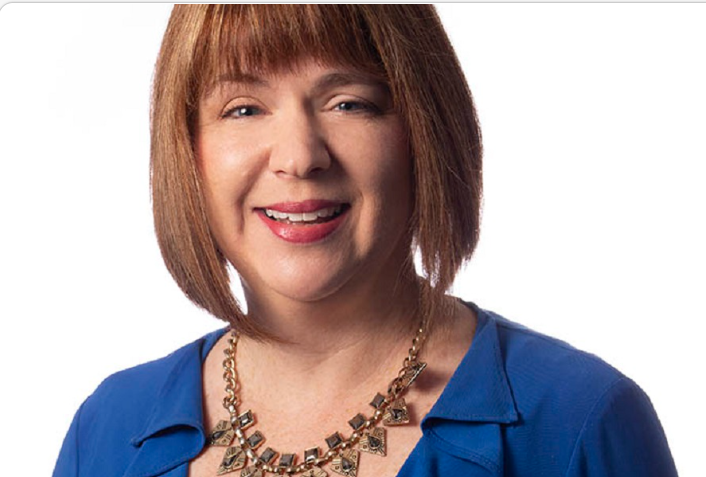 Please provide a link to your university page. https://hhd.fullerton.edu/cas/
Please describe the courses you teach
CAS 201 - Child, Family, and Community
CAS 312 - Human Growth and Development
Describe your teaching philosophy and any research interests related to your discipline or teaching. Universal Design for Learning and Quality Matters Rubric both inform the design and philosophy of my online courses.
OER/Low Cost Adoption Process
Provide an explanation or what motivated you to use this textbook or OER/Low Cost option. Saving students money, the ability to customize materials to better fit the course, including more timely and diverse materials to increase student engagement.
How did you find and select the open textbook for this course? Searched in OER repositories and library resources.
Sharing Best Practices: Benefits: Personalize the OER to your course. Make it interactive by creating practice quiz questions to help students process their reading (AI can help with this), add multimedia, and enhance the materials with relevant visuals.
Describe any key challenges you experienced, how they were resolved and lessons learned. I could only find one OER textbook for the course, which was incomplete. It doesn't address all our department's course learning objectives. Thus, I had to spend time searching chapters of other OER texts, other online materials, and library resources to fill in some gaps.
Textbook or OER/Low cost Title: Child, Family, and Community, and other OER from the LibreText Social Sciences bookshelf.
Brief Description:
Over the years researchers have found the necessity to develop theories of behavior that are specific to family settings. These theories have been developed by people with a variety of areas of emphasis, from family therapists to gerontologists to child development specialists. In this chapter we will briefly discuss six such theories: Bioecological Model, Family Systems, Functionalism, Conflict Theory, Symbolic Interactionism, and Psychological Perspectives.
Please provide a link to access the resource. https://open.umn.edu/opentextbooks/textbooks/800
Authors: Rebecca Laff & Wendy Ruiz
Student access: Links are provided on the course Canvas page.
Provide the cost savings from that of a traditional textbook. $251 a student
License - Attribution CC-BY