Child Development Research Methods
Child Development Research Methods
Purpose: to help other instructors teaching the same course
Common Course ID: Child Development 3000
CSU Instructor Open Textbook Adoption Portrait
Abstract: This open textbook is being utilized in a Child Development course for undergraduate or graduate students by Professor Didarloo at Cal State LA.. The main motivation to adopt an open textbook was to make the reading content cost-free and accessible to all students. Most student access the open textbook in format of links to each chapter that’s posted on Canvas by the instructor.
Child Development 3000 - Child Dev Research Methods
Brief Description of course highlights: Introduces research principles and applications relevant to the field of Child Development; content includes an introduction to the scientific method, research design, and measurement reliability and validity; students learn to carefully analyze and question research claims and findings in the fields of child development and family studies using a critical lens.
Student population: This is an introduction to research methods for child development students. In order for students to be successful in this course, students should have previously completed CHDV 2000 with a grade of C or better; satisfactory completion of Block A2 and A3. Most of the students are juniors and seniors taking this course. This course was designed to prepare students for CHDV 3500- social emotional development and and CHDV 4960-Senior seminar which students usually take in their senior year as their final courses and these two courses are writing and research intensive. Majority of the students in the CHDV Department are female, working class, and Latina.
Learning or student outcomes: List student learning outcomes for the course. Upon completion of this course, students will be able to:
- Identify and describe research methods used to study developing individuals across the lifespan.
- Identify the relationships between the nature of research questions/hypotheses, the selection of research methods, and the use of statistical analyses.
- Recognize conclusions that can be appropriately drawn from various research strategies.
- Describe issues pertaining to research ethics and the use of human participants.
- Describe validity and reliability issues in connection to the measurement of variables in research.
- Access and critically evaluate scholarly research on children and families and the assertions made about research in popular media.
- Synthesize empirical information by producing an APA style research proposal that describes connections between developmental theories, research, and practice.
Key challenges faced and how resolved: There were textbooks available online that I had to skim through and select one that was “digestible” in the way the research content was explained. Given that majority of students at CSULA are bilingual with English not being their native language, I wanted to make sure they understand what they read; that the authors’ writing style was “digestible”
Textbook or OER/Low cost Title: Child Dev Research Methods
Brief Description: DeCarlo, M. (2018). Scientific Inquiry in Social Work. As an introductory textbook for social work students studying research methods, this book guides students through the process of creating a research project. Students will learn how to discover a researchable topic that is interesting to them, examine scholarly literature, formulate a proper research question, design a quantitative or qualitative study to answer their question, carry out the design, interpret quantitative or qualitative results, and disseminate their findings to a variety of audiences. Examples are drawn from the author's practice and research experience, as well as topical articles from the literature. The textbook is aligned with the Council on Social Work Education's 2015 Educational Policy and Accreditation Standards. Students and faculty can download copies of this textbook using the links provided in the front matter. As an open textbook, users are free to retain copies, redistribute copies (non-commercially), revise the contents, remix it with other works, and reuse for any purpose.
Price, P. C., Jhangiani, R. Chiang, I. A., Leighton, D. C., & Cuttler, C. (2017). Research Methods in Psychology, 3rd American Edition: The book provides a comprehensive overview of psychological research methods, covering topics such as experimental design, data analysis, and ethical considerations, ultimately aiming to equip readers with the tools to critically evaluate and conduct psychological research.
Links to the resources
DeCarlo, M. (2018). Scientific Inquiry in Social Work. https://scientificinquiryinsocialwork.pressbooks.com
Price, P. C., Jhangiani, R. Chiang, I. A., Leighton, D. C., & Cuttler, C. (2017). Research Methods in Psychology, 3rd American Edition. https://opentext.wsu.edu/carriecuttler/
Student access: On canvas a “reading list” has been published and the links to these textbooks are also posted on the course syllabus.
Supplemental resources: There are worksheets that have been created by other faculty in the department that I use in my class with their permission as additional resources. I do not think I can share that here given that it is their intellectual property and it will require their permission.
Provide the cost savings from that of a traditional textbook. Student save about $75-150 since that’s what it costs on average to purchase research method textbooks.
Resource Licenses
DeCarlo, M. (2018): Scientific Inquiry in Social Work, adapted by Dr. Matthew DeCarlo. Creative Commons Attribution-NonCommercial-ShareAlike 4.0 License
Price, P. C., Jhangiani, R. Chiang, I. A., Leighton, D. C., & Cuttler, C. (2017). Creative Commons Attribution-NonCommercial-ShareAlike 4.0 Int'l License.
OER/Low Cost Adoption Process
Provide an explanation or what motivated you to use this textbook or OER/Low Cost option. I wanted to save students money and make sure the resources I provided were accessible to all students.
How did you find and select the open textbook for this course? I consulted with senior faculty who teach this course.
Sharing Best Practices:
- OER isn’t just about reducing costs for students; it’s about expanding access to education and ensuring that all students have immediate access to the learning materials they need.
- Quality of OER material is a concern for many, but I found many materials that were peer-reviewed and met high standards!
Instructor Name - Sosseh Didarloo
I am a Child Development lecturer at Cal State LA Department of Child and Family Studies. I am also a program coordinator on campus for a mentorship program called CREAR Futuros: https://www.calstatela.edu/pathwayprograms/crear-futuros 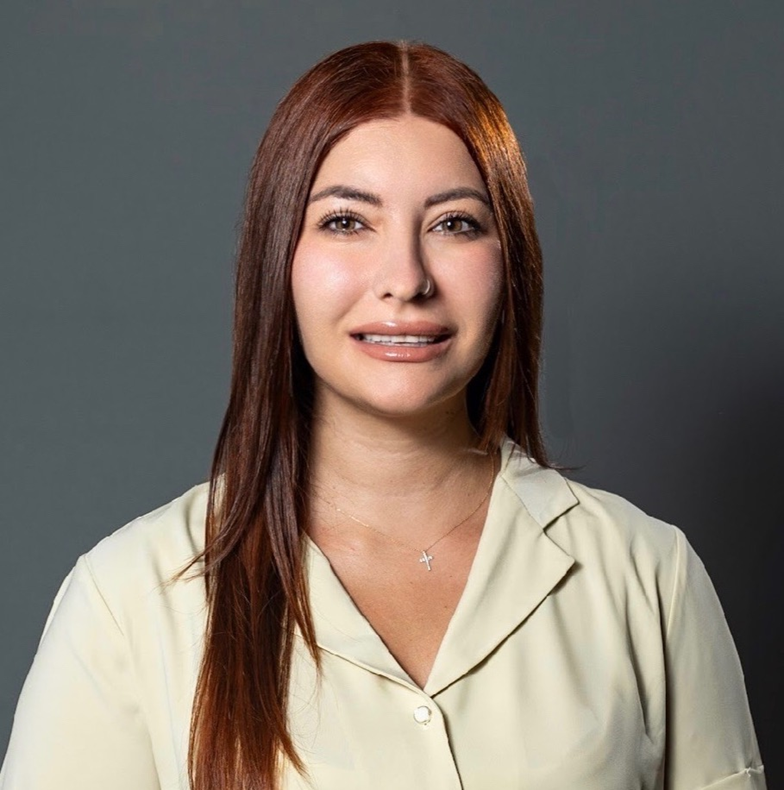
Please provide a link to your university page.
https://www.calstatela.edu/pathwayprograms/crear-futuros
Please describe the courses you teach.
Child development 2250- Ethnic identity in children and families: This course examines the development of children and families within the context of their intersecting social identities and broader historical and contemporary influences using anti-biased, strength-based, and developmentally appropriate perspectives.
Child development 3430- Child and adolescent cognition: This course provides. a broad overview of the many different perspectives from which we try to understand cognitive changes in children from birth to adolescence. Additionally in this course we will examine major theories and research on cognitive development to critically appraise and analyze (e.g. perception, memory, language, conceptual organization, logical reasoning, problem solving, and social cognition).
Child development 3000-Child development research methods: Introduces research principles and applications relevant to the field of Child Development; content includes an introduction to the scientific method, research design, and measurement reliability and validity; students learn to carefully analyze and question research claims and findings in the fields of child development and family studies using a critical lens.
Describe your teaching philosophy and any research interests related to your discipline or teaching. My teaching approach focuses on creating a safe, inclusive classroom where diverse perspectives are valued. I use evidence-based strategies that are relevant to students' lives and encourage self-reflection and personal growth. I believe that meaningful learning happens when it connects deeply with students, so I invest time in understanding their backgrounds and aspirations, tailoring the curriculum to their needs while allowing for organic exploration. I prioritize emotional and social well-being through regular check-ins and empathetic support for students facing challenges. My experiences as an immigrant and first-generation college graduate drive my commitment to diversity and inclusion, supported by my training in Intergroup Dialogue facilitation through the Universal Human Rights Initiative.