
Physical Activity and Aging through the Peer Reviewed Research Lens
Physical Activity and Aging through the Peer Reviewed Research Lens
Purpose: to help other instructors teaching the same course
Common Course ID: PDC KINE 3600:
CSU Instructor Open Textbook Adoption Portrait
Abstract: This unique open resource opportunity was utilized in a kinesiology course for undergraduate students by Dr. Sarah L. Dunn at California State University, San Bernardino (CSUSB). The open resources provides students with peer reviewed journal articles on the topics covered in the class as the main resource of information while incorporating active learning components within the course. Students were offered peer reviewed reading options each week to familiarize themselves with the physiological and neurological changes that occur with aging and often were educated on methodologies and research studies associated with each area of aging (i.e. bone health, muscular atrophy, cognitive function, etc.). The main motivation to adopt an open textbook was to reduce the cost for students while providing active learning components and high impact practices. Most student accessed the materials through the learning management system or university libraries.
CSUSB PDC KINE 3600: Physical Activity and Aging
Brief Description of course highlights: KINE 3600 is a core required course in the Bachelor of Kinesiology, Exercise Science concentration at CSUSB and is an elective course offered for the other concentrations offered in the kinesiology program. The KINE 3600 catalog description reads; examination of the neurological and physiological changes associated with the aging process from post-adolescence through the senior years. Includes information concerning special planning, implementing and evaluation of older adults oriented physical activity programs.
Student population: The majority of students are third year or transfer students, although there are occasionally some second or fourth year students taking this course. The vast majority of students are Kinesiology majors although students from other disciplines can take the course as a discipline specific equivalent towards graduation. The students typically come from a wide range of socio-economic demographics and the course does not have a prerequisite associated with it.
Learning or student outcomes: Upon successful completion of this course, students should be able to:
CLO1: Discuss definitions of age and biological theory of aging.
CLO2: Explain age-related changes in cardiovascular and musculoskeletal systems.
CLO3: Identify active living options and behavior motivation in older adults.
CLO4: Recommend physical activity options for healthy older adults and older adults with special issues and concerns.
CLO5: Administer and evaluate health screening and fitness assessment in older adults.
CLO6: Recognize the basic nutrition needs for older adults.
CLO7: Create all-in-one exercise program tailoring the needs of the older adults.
Key challenges faced and how resolved: The main challenges were:
- Incorporating, a new section into the course so students could learn how to read peer reviewed research articles, especially early on in the term.
- Finding appropriate journal articles that would be easy for the students to read, interpret, and understand, that provided the relevant background information for a given course topic (i.e. bone health in aging).
- Finding the funding for the Macmillan iClickers software subscription
Textbook or OER/Low cost Title: Various free peer reviewed journal articles downloaded from CSUSB Libraries and a free subscription to iClickers.
Brief Description: Various peer reviewed journal articles for each topic were downloaded from CSUSB Libraries and included as digital links/PDFs in the learning management system. For each topic in the course (i.e. bone health in aging), students had access to 3+ articles with two required readings and several additional optional readings. The required readings were typically the easiest to understand that gave the most appropriate background information for a given topic. The optional readings were either more technical or included different methodologies than what was discussed in the required readings or gave a different perspective on the topic to be discussed.
The topics (often with an emphasis on the physiological and neurological changes) covered in the course were:
- Introduction to Aging
- Intergenerational Experiences for College Students
- Aging and Muscle
- Neural Changes with Aging
- Aging and the Cardiovascular and Respiratory Systems
- Immune, Renal and Metabolic Changes with Aging
- The Aging Bone
- Aging and Cognition
- Nutrition associated with Aging
Student access: Students accessed the peer reviewed journal articles via the learning management system. Each article was downloaded as a PDF or a digital link was provided.
Provide the cost savings from that of a traditional textbook.
- Textbook/Resource: Free peer reviewed journal articles for students
- Typical Textbook: ACSM Exercise for Older Adults
- Typical Textbook Price: $65
- Active Learning iClicker Access: FREE subscription for CNS Courses/Students
- Macmillian iClicker subscription purchased through HEERF funding by Dr. Dunn
- Typical Macmillian iClicker Price: $16
License: Specify Creative Commons license, copyright or specify open license
OER/Low Cost Adoption Process
Provide an explanation or what motivated you to use this textbook or OER/Low Cost option. For the readings, I was hoping to save students money while providing options that were easily accessible and familiarized students with peer reviewed research articles on the topics for the course and in the discipline. In partnering with the CSUSB Pfau and PDC Libraries, students could access the digital articles for free.
For the active learning component, Macmillan iClickers, students were more involved and engaged in the course content by answering questions in class pertaining to the peer reviewed journal article readings. Those questions that received varied responses were typically discussed in class. The iClicker software typically carries a student fee for access, so minimizing expenses with a college subscription (freely accessible for CNS courses) was the goal.
How did you find and select the open textbook for this course? A considerable amount of time was spent reviewing articles on each topic in the course, so the students had appropriate content and could easily understand the research study methodology and statistical analysis. This scaffolded approach from basic, easy to understand peer reviewed journal articles from the discipline was the first step then finding alternative methodologies, more advanced technology or concepts was a secondary approach, when available.
The Macmillan iClicker software was used previously in other courses. I have found they are far superior to other polling software options out there and they easily sync to our learning management system.
Describe any key challenges you experienced, how they were resolved and lessons learned. There really were no challenges although without a textbook/publisher associated with the course materials, there are no example test questions, study guides, or other ancillary materials that instructors/students might find helpful.
Instructor Name: Sarah Dunn
Professor in the CSUSB Kinesiology Department on the Palm Desert Campus 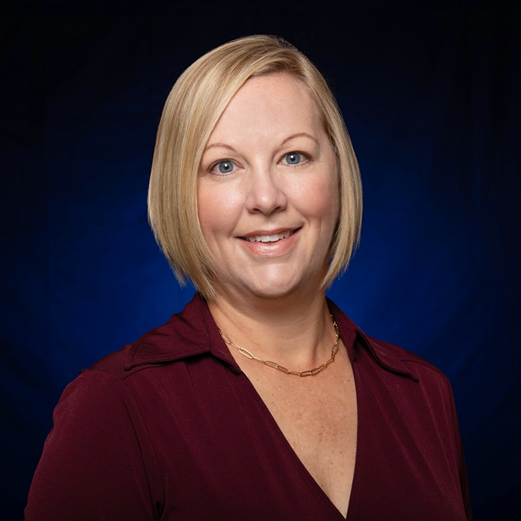
Please provide a link to your university page.
https://www.csusb.edu/profile/sarah.dunn
Please describe the courses you teach.
Her areas of scholarly expertise are in the early mechanisms for disease risk in young adults which include: inflammation, metabolic dysfunction, adiposity, and vagal insensitivity. More specifically, she is interested in how lifestyle interventions, incorporating healthy nutritional choices and physical activity (high intensity interval exercise) prevent disease and the comorbidities associated. She has taught a variety of courses in Kinesiology and her publications represent her interests in the exercise sciences, pedagogy and active learning in the classroom.
Fall 2022 and Spring 2023
KINE 3810: Sport and Exercise Nutrition
KINE 4400: Exercise Testing and Prescription
KINE 3510: Exercise Science Research Seminar
Fall 2023
KINE 3700: Statistics in Kinesiology
KINE 2050: Foundations in Lifetime Fitness and Wellness
Describe your teaching philosophy and any research interests related to your discipline or teaching.