Ecocritical Concept: Anthropocentrism
Ecocritical Concept: Anthropocentrism
Anthropocentrism refers to a human-centered, or “anthropocentric,” point of view. In philosophy, anthropocentrism can refer to the point of view that humans are the only, or primary, holders of moral standing. Anthropocentric value systems thus see nature in terms of its value to humans. even arguments that advocate for the preservation of nature on the grounds that pure nature enhances the human spirit must also be seen as anthropocentric. In short, "anthropocentric" is used to describe works of art, literature, media, or passing remarks that regard nature as a resource for humans, or assume human actions hold more value than any other being's.
Media or literature representations of nature usually occur within the perspective of human action, which can Isolate the concept of humans from the rest of nature. This separation combined with our refined understanding of our own specie's actions can reinforce the notion that humans have a right, responsibility, or impulse to control the natural world. anthropocentrism tends to arise from the assumption that a meaningful separation exists between humans and nature. Understanding why this assumption exists can help us identify any conclusions wrongly made on a subtle presupposed understanding of humans as something separate from and even superior to nature. Grand ideas about the world come from a long journey of information, learning solely about big ideas can keep ideas like anthropocentrism away from nuanced understanding or criticism.
The assumption that humans are separate from nature comes from the long observed history of stories and cultural representation where humans controlled, excavated, farmed, or tamed other parts of the natural world. This network of stories can help validate the idea that the ability to control something is an inherently human trait and therefore most meaningful distinction between things that deserve to be classified as different from one another. The ability for one being to control another may seem like a big enough distinction to ignore that the two beings are made of the same material, or are both capable of bringing life into the world.
The most important element of criticizing anthropocentrism is the realization that literature will always have a human-centric point of view. The effects and conclusions culture develops over time are directly in relation to the stories humans tell about themselves, anthropocentrism is an assumption that usually goes unexamined.
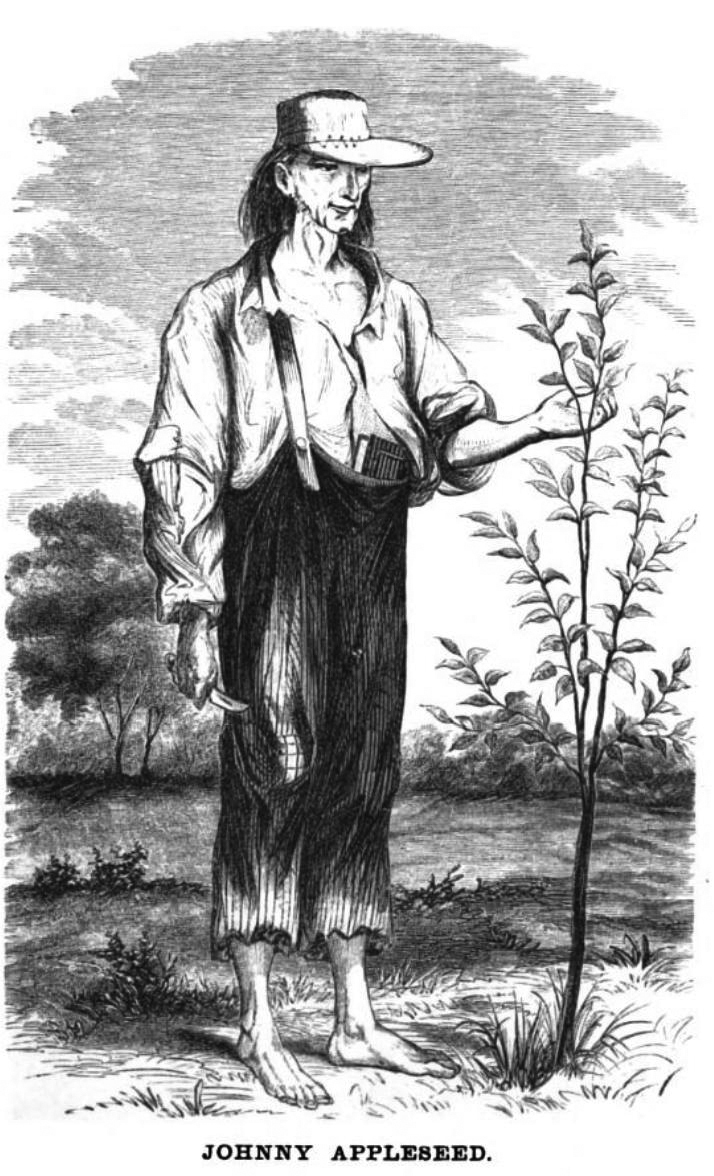
(Image from Howe's Historical Collection )