Ecocritical Concepts: Zone of Sacrifice
Ecocritical Concepts: Zone of Sacrifice
Sacrifice zones are often considered “fenceline communities” where those of low-income and people of color live. They are hot spots of chemical pollution where residents live immediately adjacent to heavily polluted industries, factories, or even military bases.
There are many types of sacrifice zones that can make it hard, almost sometimes impossible to live and those include landfills, nuclear power plants, sewage treatment, factories, and unsanitary water sources.
Example: Three Mile Island
The Three Mile Island was a nuclear powerplant that had a reactor partially melted down on March 28, 1979. This was the most serious accident in the United States nuclear power plant operating history and is located near Middletown, Pa. Nobody died or was injured in the initial meltdown at Three Mile Island, however, the meltdown released tons of radiation, which within the following years, spikes of cancer popped up within a 10-mile radius of the disaster two year after the accident.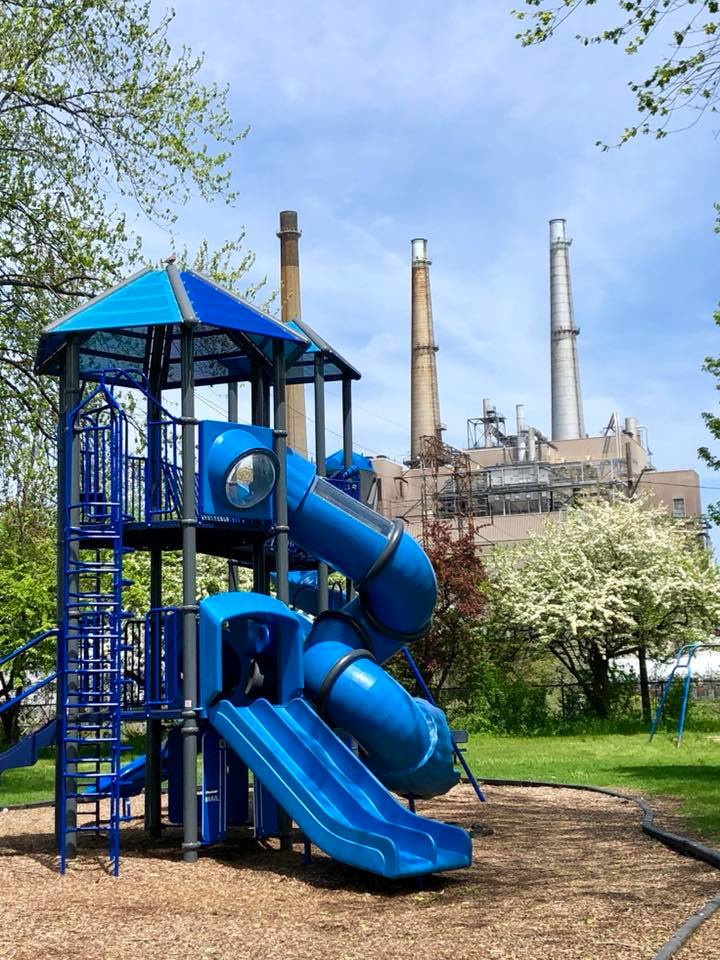 Example: Belanger Park
What makes this park a zone of sacrifice? This is considered almost as bad as Flint, MI with the amount of pollution and lack of resources provided to help clean it. This town is mostly made up of low income, black communities surrounded by over 80 corporate polluters. Detroit's sacrifice zone is the third most polluted area in the country and then the first most polluted in the state of Michigan, getting its water source straight from Flint and it is a frontline for exposure to a wide array of toxic wastes, heavy metals, and air pollutants. With all of these pollutants factored into the community that already struggles finally, many develop extreme health problems such as kidney failure and birth defects and are unable to get any medical help they need.
Environmental Racism
What is it? Environmental racism is a type of discrimination where people of low-income or minority communities are forced to live in close proximity to environmentally hazardous or degraded environments, such as toxic waste, pollution and urban decay.
There is a report down in the works cited bar called “Toxic Waste and Race at Twenty” that reviewed data collected over a 20-year time period and found that more than half of the people who live within 1.86 miles of toxic waste facilities in the United States are people of color.
Environmental Justice
A concept in the US in the early 1980s. A social movement that focuses on the “fair” distribution of environmental benefits and burdens. A lot of people of color, LGBTQIA+, and those who live in poverty are unable to receive the same benefits as those with clean water, air, and living situations, thus bringing forward the movement to bring education and change.
Ecofeminism
Land and women have a lot in common when it comes to their appearance and purity. Between the ways in which the earth is landscaped, burned, bulldozed, and all-around transformed for human comfort and aesthetics, and the way women's bodies are repressed, edited, and groomed for a male gaze. Both of these practices go against natural processes of growth and change. This can also be seen with sacrifice zones with the idea of unpure and tainted land is seen as less desirable just like women who are not virtuous.
(Source: Color by Number)