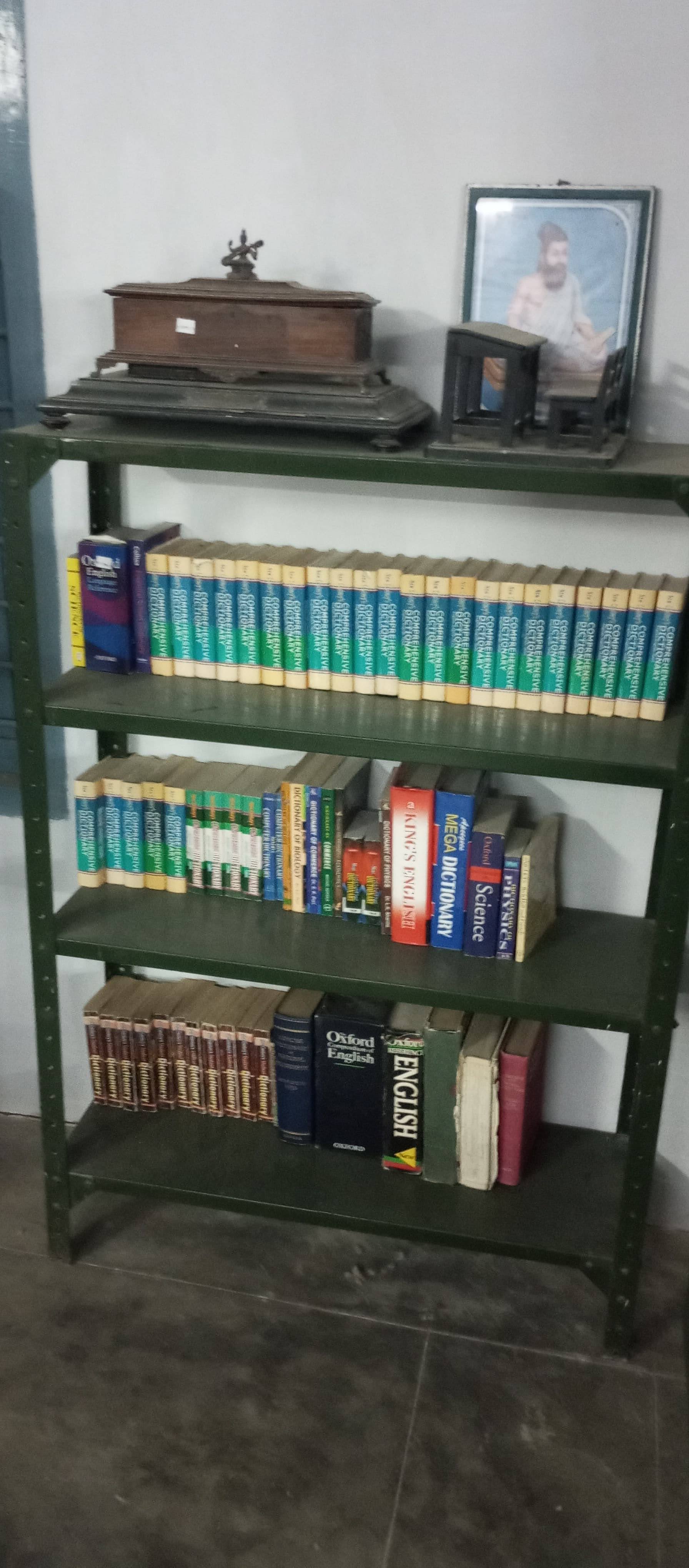
Restoring Library Collections
Under the guidance of Prof. Gerry Hanley, we thoroughly examined the Universal Decimal Classification (UDC) system, an essential tool for organizing knowledge in libraries and information centers. This system assigns a unique UDC code to each category of books, with codes ranging sequentially from 000 to 999. This structured approach helps librarians and researchers easily locate and categorize information across diverse subjects.
Moreover, the UDC system accommodates language variations through the use of extensions, allowing for a more nuanced classification. This feature ensures that materials in different languages can be accurately represented and retrieved, enhancing the accessibility of information for users worldwide. By learning this system, we gained valuable insights into effective information management and classification practices.
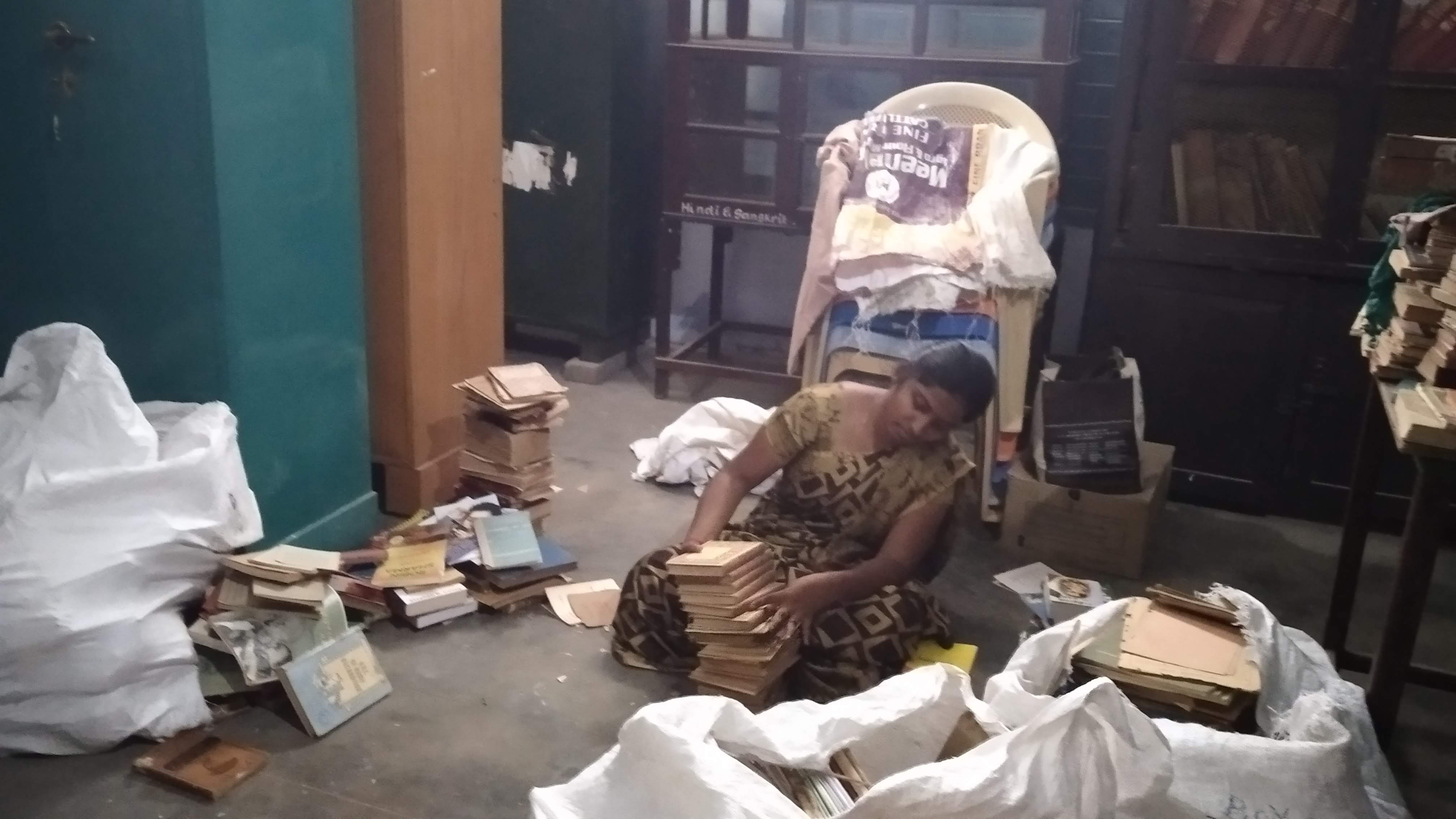
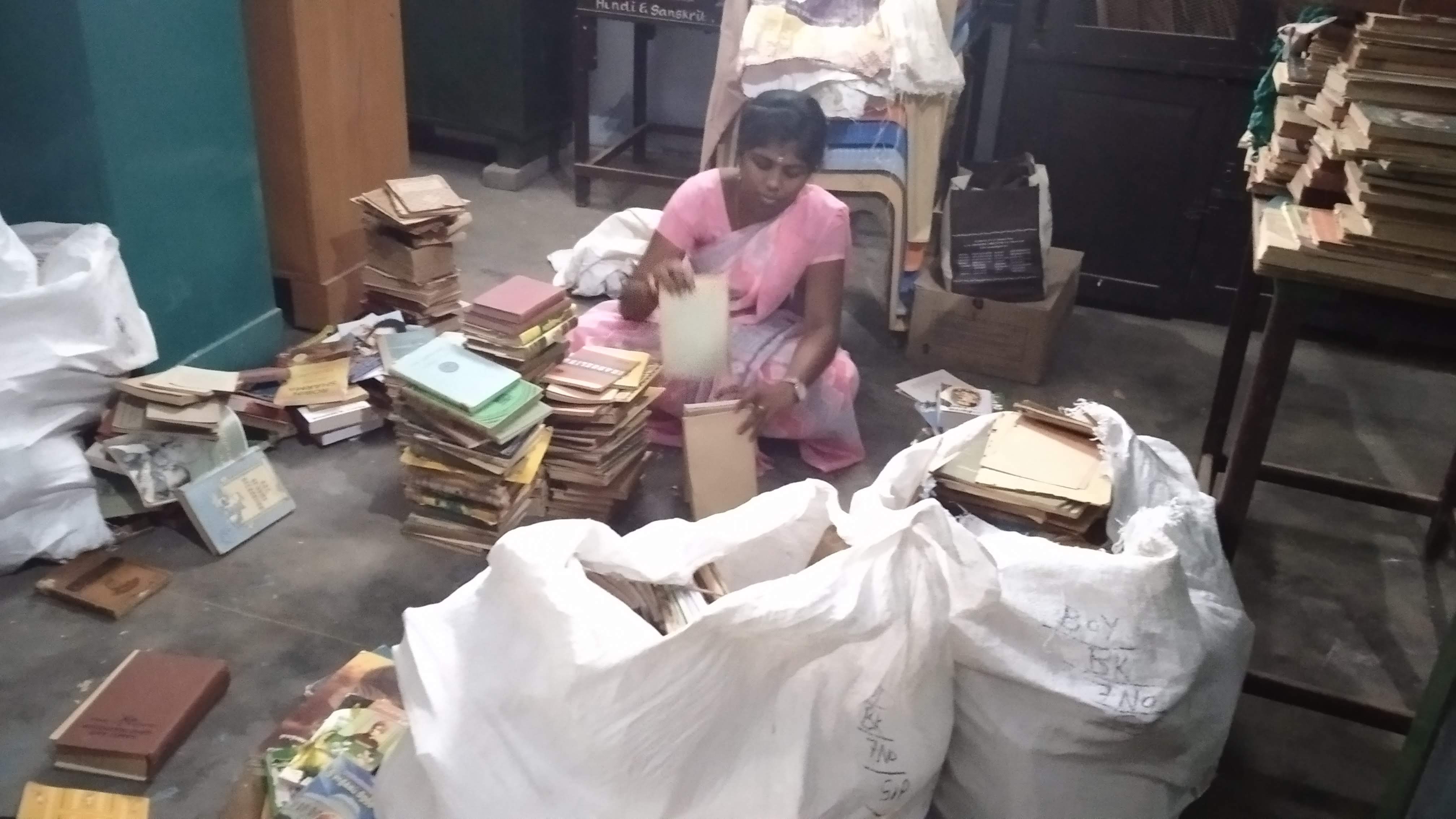
We have meticulously removed the remaining books from the shelves, taking care to ensure that each title is accounted for in our inventory. This process involved carefully handling each item to prevent any damage and to maintain the integrity of our collection. By de-shelving the books, we prepared for a more organized and efficient system that will facilitate better access to our resources.
Once the books were removed, we proceeded with a comprehensive classification of the entire collection. This thorough classification process involved categorizing each book according to its subject matter and relevant criteria, allowing for a more systematic arrangement. By implementing this structured approach, we aim to enhance the usability of our library, making it easier for users to locate and utilize the materials they need in a streamlined manner.
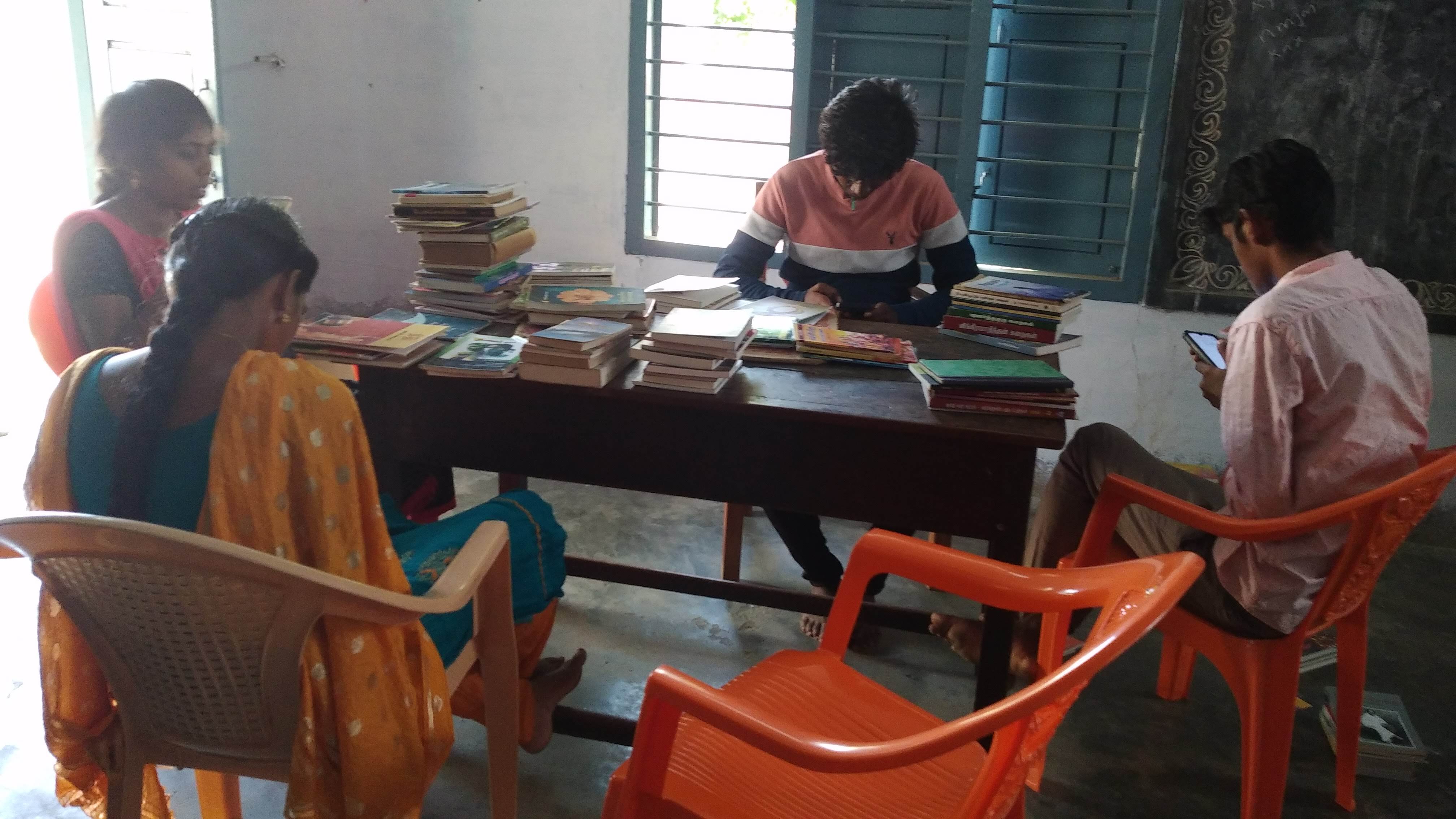
We have established a Google Sheet to catalog the titles of the books along with their authors' names. To enhance organization, we created separate sheets for each category, allowing for easy navigation and access to the information.
To ensure the accuracy and completeness of this project, we assembled a dedicated team of eight individuals. Their primary task is to update and maintain all the book information within the sheets, facilitating a streamlined process for managing our collection.
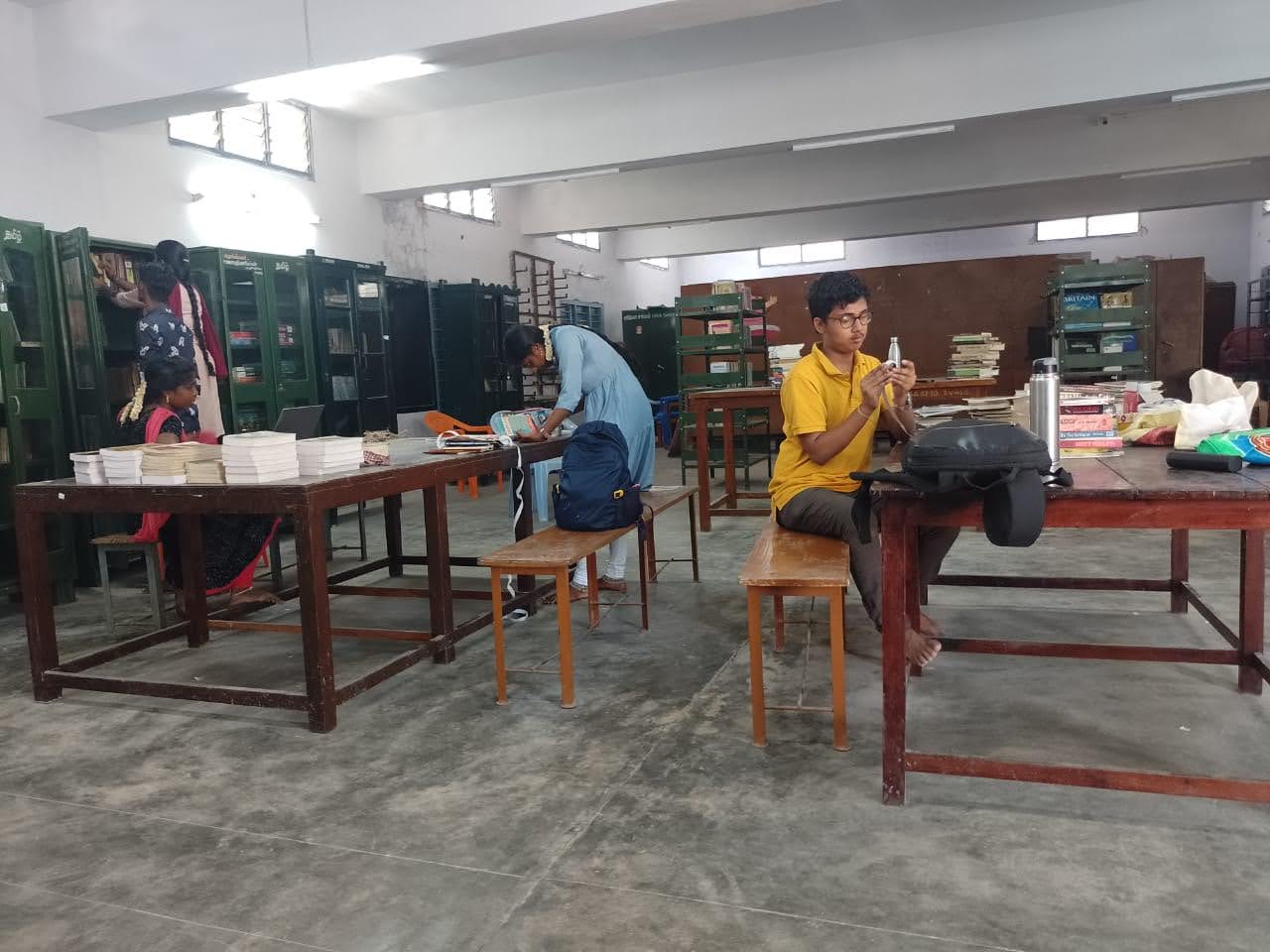
We systematically sorted all the books according to their assigned numbers, ensuring that each item was placed in the correct order. This methodical approach helps maintain organization and makes it easier to locate specific titles.
After sorting, we proceeded to label each book appropriately. This clear labeling not only enhances accessibility but also streamlines the process of retrieving and managing the collection.
We developed a detailed blueprint of the library that outlines the arrangement of larger furniture items. This comprehensive plan is designed to provide a clear visual representation of the space, allowing us to consider various layouts and configurations.
By carefully mapping out the placement of each piece of furniture, we aim to optimize the library's functionality and flow. This thoughtful approach will help create an inviting and efficient environment for users, enhancing their overall experience.
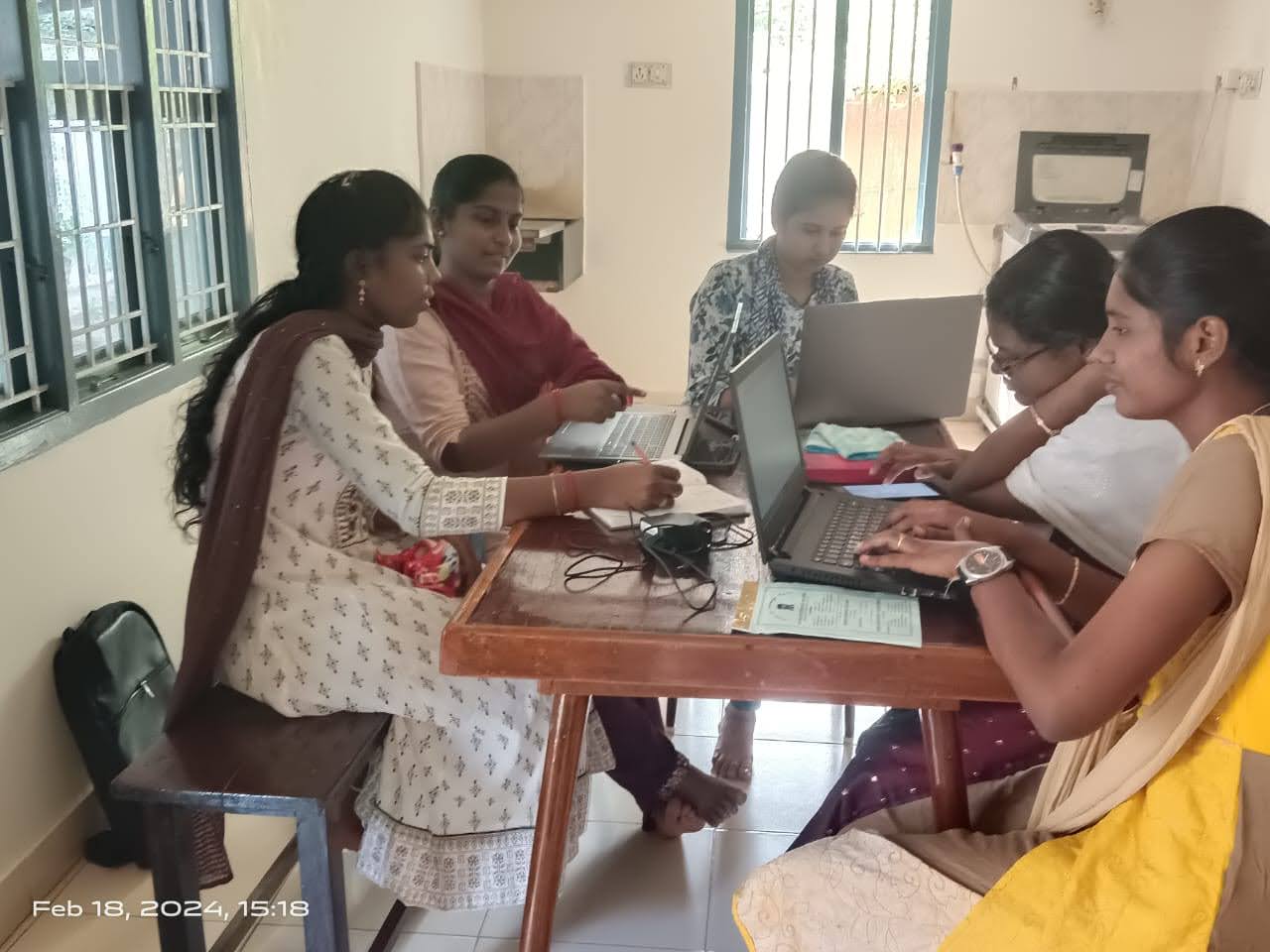
We have systematically categorized the books into various subject areas, allowing for easier navigation and access. This organization helps users quickly find materials relevant to their interests and research needs.
In addition to subject categorization, each book has been further classified into specific genres, such as stories, novels, and prose. This additional layer of classification enhances our ability to present diverse literary options and enriches the overall user experience.
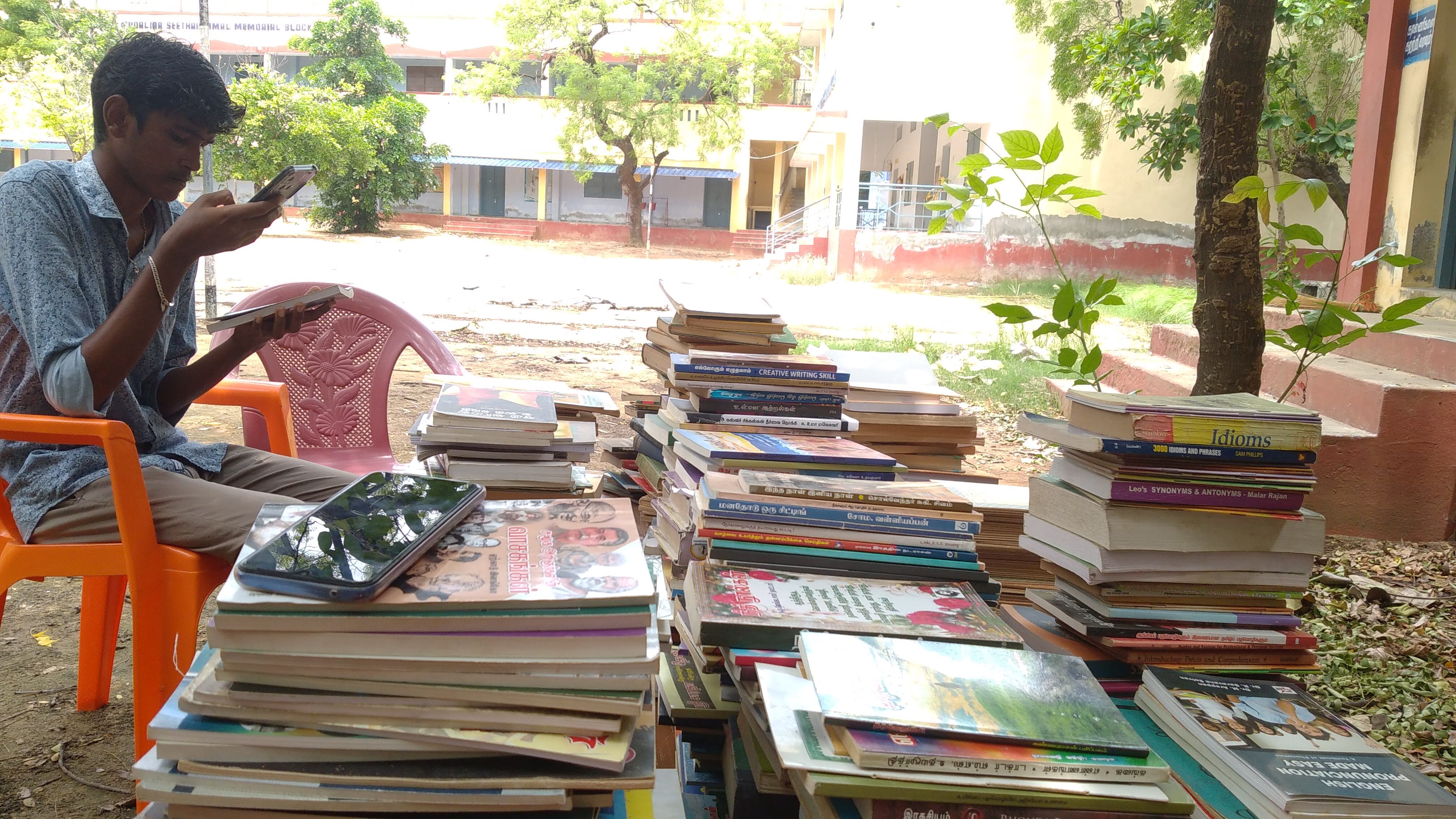
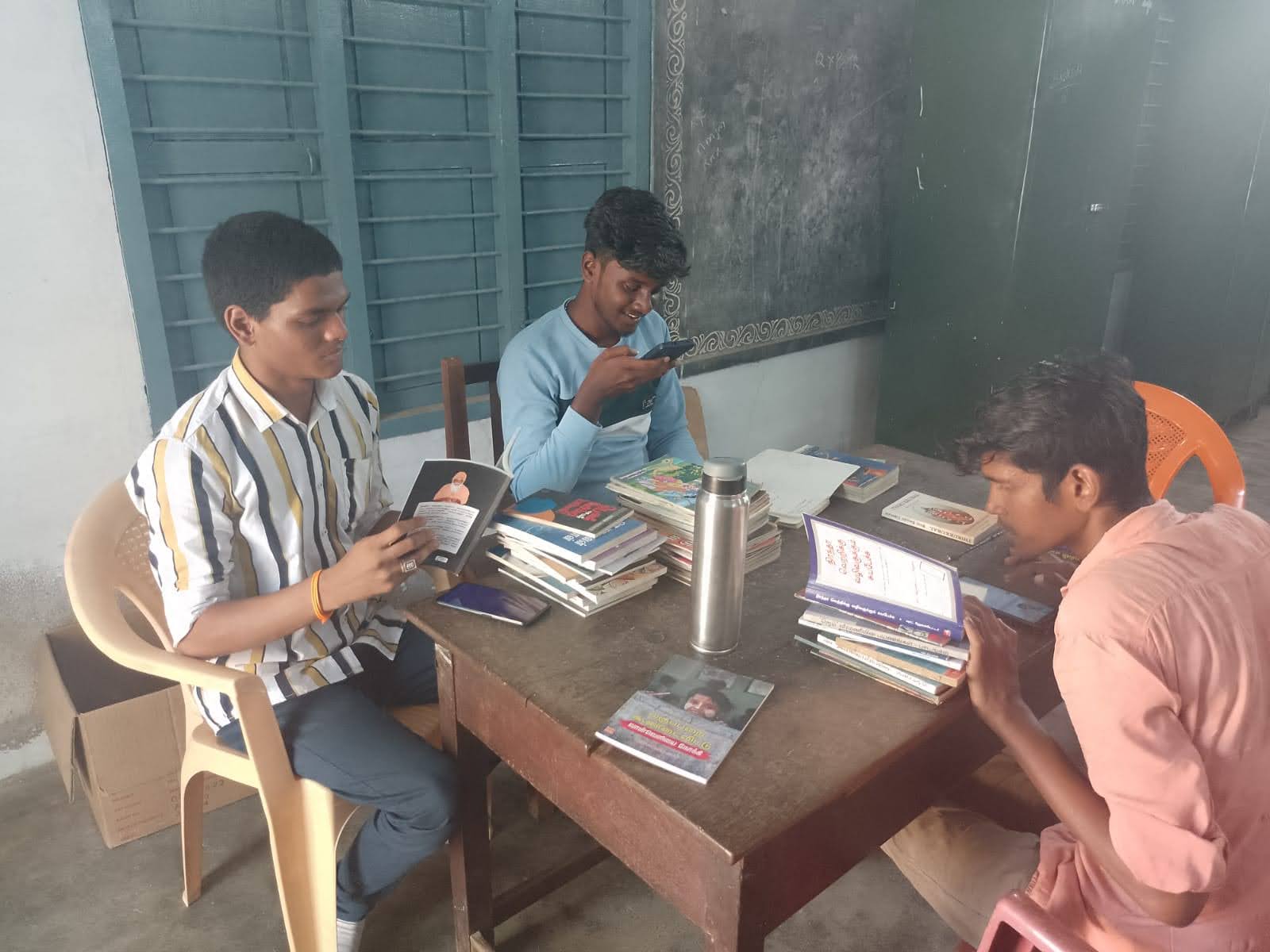
We implemented the Universal Decimal Classification (UDC) system within our records, systematically applying its structure to categorize our collection. Each book was assigned a numerical identifier in accordance with the established guidelines, ensuring consistency and clarity.
By utilizing this classification system, we enhanced our ability to organize and retrieve information effectively. The numerical identifiers not only streamline the cataloging process but also facilitate easier access for users seeking specific materials.
We allocated specific spaces for each book category, ensuring that every section was clearly defined. This careful designation helps streamline the organization and makes it easier for users to navigate the collection.
Following this, we systematically arranged the books within their assigned spaces. This methodical organization not only enhances accessibility but also creates a more efficient environment for locating and utilizing the materials.