SPED 371 – Exceptional Individual
SPED 371 – Exceptional Individual
Purpose: to help other instructors teaching the same course
Common Course ID: SPED 371 – Exceptional Individual
CSU Instructor Open Textbook Adoption Portrait
Abstract: This open textbook is being utilized in a Special Education course for undergraduate students by Dr. Melinda Pierson at California State University Fullerton. The open textbook provides useful foundational knowledge of concepts covered in the course. The main motivation to adopt an open textbook was to reduce student materials costs and to provide other instructors in the department with materials. Most student access the open textbook online through the course Canvas page.
SPED 371 – Exceptional Individuals
Brief Description of course highlights: Exceptional Individuals provides an overview of all areas of exceptionalities and topical review of characteristics of individuals with exceptional needs. A special feature is the opportunity to participate in various simulations and activities designed to enhance the understanding of diversity in our society.
Student population: Most students are entering the Education Specialist credential program to become a special education teacher in either mild/moderate disabilities, moderate/severe disabilities, or early childhood special education. Students can be from any major, but are most likely from Child and Adolescent Studies and Liberal Studies. However, some students have already graduated and must take this course as a prerequisite to come into the special education credential program.
Learning or student outcomes: At the end of the course students will:
- Cogently articulate a rationale for teaching multiple perspectives; (CEC CC1K1)
- Recognize the value of cross-cultural experiential learning and relate such experiences to their teaching and learning; (CEC CC1K3; CC1K5; CC3K3; CC5K9; CC5K10; CC6K2; CC6K3; GC1K7)
- Be able to identify the causes, preventions, and therapies associated with a variety of disabilities (CEC GC2K1)
- Explore the causes, preventions, and therapies associated with disabilities, as well as the social, medical, educational, emotional, psychological, and social implications of “being different”; (CEC CC2K7; CC3K1; GC2K5; CC5K8)
- Explore the functions of labels for people with disabilities; (CEC CC9S6)
- Explore personal values, better understand their own “uniqueness” and participate in activities designed to provide cultural, ethnic, and diversity awareness; (CEC CC3K4; CC5K9; CC5K10; CC5S7; CC5S14; CC9S6)
- Describe the treatment of people with disabilities and the movement from segregation to inclusion in school and community; (CEC CC10K4; GC1K8
- Describe laws related to the education and the rights of individuals with disabilities; (CEC CC1K2; CC1K4; CC1K5; GC5K1)
- Recognize special needs of students who vary in their academic abilities; (CEC GC1K5; CC1K2; CC1K4; CC1K5; CC1K9; CC1K10; CC2K2)
- Identify and explore the special needs of students with behavioral and emotional challenges, and examine the methods of responding that maintain and strengthen the classroom community; (CEC CC1K2; CC1K3; CC1K4; CC1K5)
- Understand how to explicitly and openly recognize and value differences among students in the classroom; (CEC CC1K5; CC1K8; CC2K3; CC2K5; CC3K2; CC9K1; CC9K2)
- Identify the types of communication disorders and strategies for helping children with these challenges; (CEC CC1K4; CC1K5; CC1K8)
- Recognize a wide range of orthopedic disabilities and other health impairments and explore resources for instruction and support; (CEC PH1K2; CC1K1; CC1k4; GC1K6)
- Develop an awareness of technology that can be used to extend the capabilities of students with special needs; (CEC GC5S2)
- Reflect on the degree to which schools are inclusive and the challenges and opportunities this presents. (CEC CCK10; CC3K4)
- Identify different family systems and the role of families in the educational process. (CEC CC1K7)
Key challenges faced and how resolved: I was worried that detailed enough content would be found to take the place of a textbook, but with the sources shared, I think it is much better for students!
Syllabus and/or Sample assignment from the course or the adoption Syllabus for Pierson SPED Course.docx
OER/Low Cost Adoption Process
Provide an explanation or what motivated you to use this textbook or OER/Low Cost option. Students struggle to make ends meet and this was a practical way to allow FREE resources that were just as valuable as the textbook which cost close to $200.
How did you find and select the open textbook for this course? I used many different sources – not just one textbook.
Describe any challenges you experienced, and lessons learned. Easy to use and well-supported. This is wonderful for all faculty to explore!
Textbook or OER/Low cost Title:
Brief Description: This class uses a mix of open and free-to-students resources including sections from open textbooks and library materials like books and journal articles.
Student access: From the library database and online sources
Provide the cost savings from that of a traditional textbook. $2800/semester
License: Some materials used creative commons licenses, others were library resources under copyright
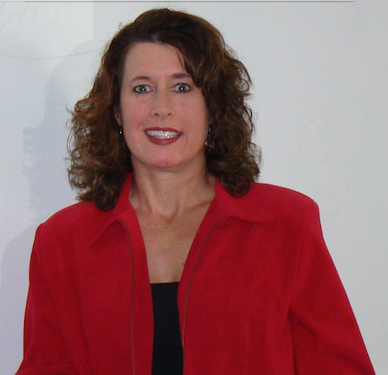
Instructor Name: Melinda Pierson
Special Education Professor and Department Chair at California State University, Fullerton
 Please provide a link to your university page. https://ed.fullerton.edu/sped/
Please describe the courses you teach. Dr Pierson’s research interests include international teacher training, evidence-based best practices in literacy as well as inclusive classrooms, and affective characteristics (self-concept, social skills, and loneliness) in adolescents with a mild/moderate disability. She leads a study abroad trip to an orphanage school in Haiti and an inclusive education program in Germany at least once per year.
Describe your teaching philosophy and any research interests related to your discipline or teaching. Dr. Pierson’s research interests include international teacher training, evidence-based best practices in literacy as well as inclusive classrooms, and affective characteristics (self-concept, social skills, and loneliness) in adolescents with mild/moderate disabilities. Dr. Pierson leads a study abroad trip to an orphanage school in Haiti and an inclusive education program in Germany at least once per year.