Chapter 11: Achieving equality
Gender equality is a complex and ongoing issue. While there have been significant advancements in recent years such as increased representation of women in politics and the workforce and the legalization of same-sex marriage, there are still areas where inequality persists. For example, women still face a wage gap and are underrepresented in leadership positions in many industries. Additionally, marginalized groups of women such as women of color and trans women often face even greater barriers to equality. Trans women of color, in particular, are disproportionately affected by poverty, unemployment, and violence.
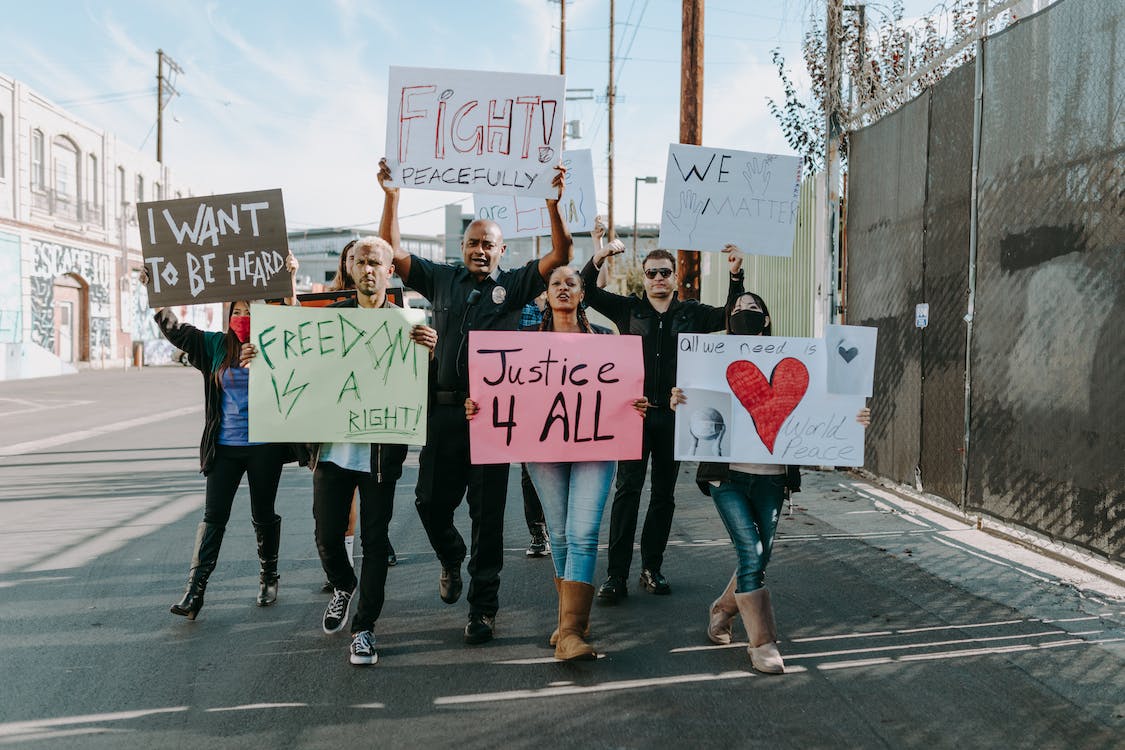
"Group of People Holding Placards" by RODNAE Productions is in the Public Domain, CC0
The ideal version of gender equality is a society in which all individuals, regardless of their gender, have equal rights, opportunities, and treatment. This includes equal access to education, employment, health care, and political representation, as well as freedom from gender-based violence and discrimination. In an ideal society, gender does not dictate an individual's worth, value, or potential. Instead, all individuals are valued for their unique skills, experiences, and contributions to society. The pursuit of gender equality is ongoing and requires continued efforts to address existing inequalities and promote equal treatment for all.
In an ideal society with gender equality, gender roles and expectations are flexible, and individuals are free to pursue their own interests, passions, and careers without facing discrimination based on gender. The equal distribution of caregiving responsibilities between men and women is also a crucial aspect of gender equality. This allows both women and men to fully participate in the workforce and pursue their careers without being held back by caregiving responsibilities.
In addition, gender equality also means addressing and combating the root causes of gender-based violence and discrimination, such as misogyny, patriarchal attitudes, and toxic masculinity. Addressing these root causes requires a shift in cultural attitudes, as well as the implementation of laws and policies that promote gender equality.
Overall, while progress has been made, there is still much work to be done to achieve true gender equality in the United States and around the globe. Overcoming gender inequality requires a sustained effort from individuals, organizations, and governments. It requires individuals to be aware of the issue and to challenge their own biases, organizations to create inclusive and equitable work environments and governments to put in place policies and laws that support gender equality. In this chapter we will be exploring the ways in which we may hopefully, one day, achieve this ideal of gender equality for everyone.

"Crop man getting dollars from wallet" by Karolina Grabowska is in the Public Domain, CC0
In the United States, women still earn less than men on average, and the wage gap is even wider for women of color. According to data from the National Women’s Law Center, in 2020, the average woman working full-time in the United States earned just 82 cents for every dollar earned by a man. The wage gap is even wider for Black women, who earn just 62 cents, and Latina women, who earn just 54 cents, for every dollar earned by a white, non-Hispanic man.
The wage gap is not just a statistical artifact (Schäfer & Gottschall, 2015). While there are several factors that contribute to differences in earnings between men and women, such as education level, experience, and type of job, these factors do not fully explain the wage gap. According to research, women still earn less than men in virtually every occupation, even after controlling for these factors (Blau & Kahn, 2017).
Studies have found that discrimination and unconscious biases also play a role in the wage gap, as women may face barriers in their careers that men do not, including a lack of opportunities for advancement, a lack of access to flexible work arrangements, and lower pay for equivalent work. The wage gap is also perpetuated by systemic issues such as the unequal distribution of caregiving responsibilities, which can limit women's career advancement and earning potential.
Therefore, the wage gap is a real issue that affects women throughout their careers and has significant impacts on their economic security and well-being (Eastin & Prakash, 2013). Addressing the wage gap requires a multi-faceted approach that includes efforts to promote gender equality and fairness in the workplace, eliminate discrimination, and ensure that women receive equal pay for equal work.
This income inequality comes with substantial harm. Women, especially women of color, tend to earn less than their male counterparts, which can lead to a significant income discrepancy over the course of a lifetime (Fodor & Horn, 2015). The wage gap can result in women having fewer resources to support themselves and their families, which can lead to financial instability and poverty.
The wage gap also affects Social Security benefits, which are based on lifetime earnings. Women typically receive lower benefits than men, which can result in poverty and financial insecurity during retirement. When women are paid less, their spending power is reduced, which can slow down overall economic growth. Furthermore, the wage gap contributes to the widening wealth gap between men and women and exacerbates gender-based economic inequality (Rotman & Mandel, 2023).
As such, in order to achieve greater equality moving forward, the gap in pay between men and women must be addressed (Foley & Cooper, 2021). This can be done by implementing policies such as pay transparency and equal pay laws, as well as by promoting workplace flexibility to accommodate caregiving responsibilities (e.g., Abraham, 2017).
Pay transparency refers to the practice of making information about the compensation paid to employees publicly available, or easily accessible to employees within an organization (Brown, Nyberg, Weller, & Strizver, 2022). This information can include base pay, bonuses, benefits, and other forms of compensation. The goal of pay transparency is to promote fairness and eliminate wage discrimination, as employees are able to see how their compensation compares to that of their coworkers and negotiate for higher pay if they believe they are being underpaid. It also helps to create a more level playing field, as workers are able to make informed decisions about their careers based on accurate information about compensation. Pay transparency can also increase trust and transparency within organizations and promote a more positive workplace culture.
When pay information is not publicly available or easily accessible, it can be difficult to detect wage discrimination based on factors such as gender, race, or ethnicity. This can result in employees who are underrepresented or marginalized groups being paid less for the same work as their peers. Similarly, when pay information is not transparent, it can be difficult for employees to determine if they are being fairly compensated for their work. This can result in a lack of trust in the employer and a negative impact on morale and job satisfaction (Heisler, 2021).
A lack of pay transparency can contribute to income inequality and widen the wage gap, as workers are unable to make informed decisions about their careers and negotiate for higher pay. When employees are uncertain about their pay and benefits relative to their peers, it can lead to low morale and reduced engagement in the workplace. From a hiring perspective, a lack of pay transparency can also make it difficult for organizations to attract and retain top talent, as employees may be more likely to seek employment elsewhere if they believe they are not being fairly compensated.
Equal pay laws refer to legal measures that prohibit wage discrimination based on gender, race, ethnicity, religion, age, or any other legally protected characteristic. The goal of equal pay laws is to ensure that employees are paid fairly for the work they perform, regardless of their gender, race, or any other personal characteristic. Three significant advancements in the push toward equal pay in the United States include the Equal Pay Act, Title VII of the Civil Rights Act, and the Age Discrimination in Employment Act.
The Equal Pay Act of 1963 prohibits gender-based wage discrimination between men and women who perform substantially equal work in the same establishment. The Act was passed with the goal of eliminating the wage gap between men and women who perform substantially equal work in the same establishment. The Equal Pay Act requires that men and women be given equal pay for equal work, regardless of their gender.
The Act applies to employers with 15 or more employees and covers all forms of compensation, including base pay, bonuses, benefits, and overtime pay. It also makes it illegal for employers to reduce the pay of one gender to comply with the Act, and it prohibits retaliation against employees who assert their rights under the Act.
Title VII of the Civil Rights Act of 1964 is a federal law in the United States that prohibits employment discrimination based on race, color, religion, sex, and national origin. The law applies to employers with 15 or more employees and covers all aspects of employment, including hiring, firing, promotion, compensation, and other terms and conditions of employment.
Title VII makes it illegal for employers to discriminate against employees or job applicants on the basis of their membership in a protected class, such as race, religion, or sex. The law also prohibits retaliation against employees who assert their rights under the Act, including filing a complaint or participating in an investigation into discrimination.
In addition to prohibiting employment discrimination, Title VII also requires employers to take proactive steps to prevent discrimination in the workplace, including providing equal employment opportunities to all employees and taking steps to eliminate any discriminatory practices.
The Age Discrimination in Employment Act (ADEA) was passed by the U.S. Congress and signed into law by President Lyndon B. Johnson on December 15, 1967. It is a federal law in the United States that prohibits employment discrimination against individuals 40 years of age or older. The ADEA applies to employers with 20 or more employees and covers all aspects of employment, including hiring, firing, promotion, compensation, and other terms and conditions of employment.
The ADEA makes it illegal for employers to discriminate against employees or job applicants on the basis of their age. This includes making employment decisions based on assumptions about age-related abilities or retirement plans, as well as harassing or retaliating against employees because of their age.
In addition to prohibiting age discrimination, the ADEA also requires employers to take proactive steps to prevent age discrimination in the workplace, including providing equal employment opportunities to all employees regardless of age and taking steps to eliminate any discriminatory practices.
The Equal Pay Act of 1963 was a significant step towards achieving gender equality in the workplace, but despite its passage, the gender pay gap remains a persistent issue in the United States. Nevertheless, the Act remains an important legal tool for promoting fairness in the workplace and combating wage discrimination based on gender. Title VII of the Civil Rights Act of 1964 is considered to be one of the most important pieces of civil rights legislation in the United States, and it remains a crucial tool for promoting equality and combating discrimination in the workplace. The Age Discrimination in Employment Act is an important tool for promoting fairness and combating age discrimination in the workplace. The law helps to ensure that older workers are treated equally and have the same opportunities as their younger counterparts, regardless of their age.
In addition to federal laws, many states have their own equal pay laws that provide additional protections and remedies for wage discrimination. These laws may vary in their scope and specifics, but the overarching goal is to eliminate wage discrimination and promote fairness in the workplace.

"People Wearing Blazers and Pants Holding Hands while Standing Together" by Tima Miroshnichenko is in the Public Domain, CC0
Another area where gender inequality persists is in leadership positions. Despite comprising nearly half of the workforce, women are underrepresented in leadership positions in many industries, including business, politics, and technology. In the corporate world, for example, only about 5% of Fortune 500 CEOs are women. In politics, women are also underrepresented, with just 27% of seats in the U.S. Congress held by women as of 2021.
There are many factors that contribute to the underrepresentation of women in leadership positions (Elomäki, 2015). For example, despite significant progress in recent decades, gender biases and discrimination continue to exist in many workplaces, and women may face barriers in advancing to leadership roles as a result. Women may not see many female role models in leadership positions, which can make it difficult for them to envision themselves in those roles and may discourage them from pursuing leadership opportunities.
In addition, women may face challenges balancing work and family responsibilities (Chung, van der Lippe, & Leersteol, 2020), which can make it difficult for them to fully participate in the workplace and may limit their ability to take on leadership roles. They may not have access to the same professional networks and mentorship opportunities as their male colleagues, which can make it harder for them to develop the skills and relationships necessary to advance to leadership positions. Moreso, they may face pay disparities and other barriers to promotion, which can limit their opportunities for advancement to leadership positions.
Having more women in leadership positions could bring a number of benefits to organizations, communities, and society as a whole. Women bring a unique set of experiences, perspectives, and skills to the table, which can lead to more creative and innovative solutions to complex problems (Ritter-Hayashi, Vermeulen, & Knoben, 2019). Studies have shown that companies with more gender diversity, including in leadership positions, tend to have better financial performance and higher levels of customer satisfaction.
With more women in leadership positions, organizations can better reflect the diversity of the communities they serve and make decisions that are more inclusive and equitable. Organizations may be more likely to adopt family-friendly policies and practices that benefit both men and women and help to create a more supportive work-life balance. Plus, having more women in leadership positions can serve as a powerful symbol of progress towards gender equality and can help to break down gender stereotypes and biases in the workplace.
While having more women in leadership positions may bring these benefits, simply having more women in these roles is not enough. Organizations must also take steps to ensure that these women have equal opportunities, support, and resources, and that gender biases and discrimination are not perpetuated in the workplace (Waylen, 2014).
There are several steps that can be taken to increase the number of women in leadership positions (Potvin, Burdfield-Steel, Potvin, & Heap, 2018). For example, organizations should establish a culture of diversity and equality which includes setting goals for gender diversity in leadership positions and tracking progress towards these goals. Organizations should provide equal opportunities and support for all employees, including women, and ensure that they have access to the same resources, training, and mentorship opportunities as their male colleagues.
Organizations should provide training and education on unconscious biases, including gender biases, and encourage employees to be aware of and actively challenge these biases. Men can also play a crucial role in advancing gender equality including by being allies and advocates for women in the workplace and by challenging gender stereotypes and biases.
In addition, organizations should regularly assess and address any pay disparities that exist, including between men and women, and take steps to ensure that women are paid fairly for their work. They should offer flexible work arrangements, such as flexible hours and remote work options to help women better balance their work and family responsibilities.
Encouraging and promoting women to leadership positions, including through mentorship and sponsorship programs and by recognizing their contributions and achievements, would also have a positive effect of the number of women in lead roles. Mentoring programs for women in leadership positions typically involve pairing a more experienced leader with a less experienced individual who is looking to develop their leadership skills.
The mentoring relationship provides a supportive and structured environment for the mentee to receive guidance, feedback, and advice on a variety of professional development topics. For example, the mentor can provide advice and guidance on how to advance in one's career, including navigating internal politics, identifying opportunities for growth, and negotiating promotions. The mentor can provide feedback and guidance on developing specific leadership skills, such as communication, strategic thinking, and conflict resolution.
The mentor can introduce the mentee to their professional network and help them expand their connections, which can be valuable for future career advancement. The mentor can provide advice and guidance on balancing work and personal responsibilities, including managing stress and finding a work-life balance that works for the individual. In addition, the mentor can provide support and advice on how to navigate challenges and obstacles that may arise in the workplace, such as discrimination or bias.
Mentoring programs for women in leadership positions can take many forms, including one-on-one relationships, group mentoring programs, or virtual mentoring programs. Regardless of the format, mentoring programs should be designed to meet the specific needs and goals of the women they serve and should be supported by organizations through funding, training, and other resources.
"Women Sitting on Black Chairs Facing Each Other while Having a Conversation" by RODNAE Productions is in the Public Domain, CC0
Increasing representation of women in leadership positions can also be done by implementing quotas and other initiatives that support women in advancing their careers. Implementing quotas refers to setting a minimum number or percentage of women that must be represented in leadership positions. The goal of quotas is to increase the representation of women in these roles and to address gender imbalances in the workplace.
Quotas can quickly and effectively increase the representation of women in leadership positions, providing them with more opportunities for advancement and professional growth. They can raise awareness about the importance of gender diversity in leadership and create a sense of accountability for organizations to address gender imbalances.
As indicated by Cotton, Beauregard, and Keles (2021), “the representation of women in the highest positions and the gender diversity of private sector boards remain important issues in the sociology of work and gender. In some countries, gender discrimination has been challenged through the introduction of legislation on gender quotas and direct government intervention” (p.618).
By increasing the representation of women in leadership positions, quotas can help to shift cultural attitudes and change norms about gender roles and expectations in the workplace. With more women in leadership positions, organizations can benefit from a more diverse range of perspectives and experiences in decision making, leading to more effective and informed decision-making processes.
However, quotas can also face criticism and opposition. Some argue that quotas may not address the underlying issues causing gender imbalances in leadership positions and may lead to resentment among male employees. Quotas may also be seen as a form of reverse discrimination or as unfairly favoring women over men. Therefore, while quotas can be an effective tool for increasing the representation of women in leadership positions, they should be used in conjunction with other measures, such as training and education, to address the root causes of gender imbalances in the workplace.
Without women in leadership positions, organizations and societies may face several consequences. For example, when women are underrepresented in leadership positions, organizations and societies may lack the diversity of perspectives and experiences that are necessary to make informed and effective decisions. When women are underrepresented in leadership positions, the power dynamics within organizations and societies can become imbalanced, perpetuating systems of discrimination and inequality.
Research has shown that having more women in leadership positions can positively impact economic growth. When women are excluded from leadership positions, organizations and societies may miss out on these benefits. When women are not represented in leadership positions, it can send a message that they are not valued or welcome in these roles. This can lead to decreased motivation and a lack of interest among women in pursuing leadership positions. Therefore, it is important to have women in leadership positions in order to promote diversity, drive innovation, and ensure balanced power dynamics within organizations and societies.
The representation of women in politics varies across the world. In some countries, women are well represented and hold a significant number of leadership positions, while in others they are underrepresented and face significant barriers to participating in political life. According to the Inter-Parliamentary Union (IPU), as of 2021, women held just under 25% of parliamentary seats worldwide. This represents a slow but steady increase over the past decade, with women's representation in national parliaments reaching a historic high in 2020.
However, progress has been uneven across regions and countries. Some countries, such as Rwanda and Bolivia, have made significant strides in increasing the representation of women in politics, with women holding more than 50% of parliamentary seats in both countries. In others, such as Saudi Arabia and Yemen, women's representation remains low, with women holding fewer than 10% of parliamentary seats.
In the US, women are also underrepresented, particularly at the highest levels of leadership. As of 2021, women make up just over 25% of the members of the US Congress and hold a similar proportion of governorships and state legislative seats. However, there has been some progress in increasing women's representation in recent years. In the 2018 midterm elections, a record number of women ran for office and were elected to the US Congress, and the 116th Congress was the most diverse in history, with a record number of women and people of color serving.
In addition to low representation, women also face significant barriers to participating in political life, including gender-based violence, cultural and social norms, lack of access to resources and education, and discriminatory laws and policies. Therefore, while some progress has been made in increasing the representation of women in politics, much work remains to be done to address the underlying barriers that prevent women from fully participating in the political process and to ensure equal representation of women at all levels of political life (Yoon & Moon, 2019).
"Cute pensive black little girl spending time with father sitting on floor" by Ketut Subiyanto is in the Public Domain, CC0
Having access to affordable and accessible health care can have numerous benefits (Gupta et al., 2019). For example, when people have access to quality health care, they are more likely to receive timely and effective treatment for illnesses and injuries, leading to improved health outcomes and overall well-being. They are less likely to miss work due to illness or injury, leading to increased productivity and economic security. It can also reduce the financial burden of medical bills and treatment costs, reducing stress and improving overall financial stability.
People who have access to health care are more likely to receive timely treatment for mental health conditions, leading to improved mental health and overall well-being. Access to health care can help to prevent the spread of infectious diseases, promote healthy behaviors, and improve overall public health. Overall, access to affordable and accessible health care is critical for promoting individual and community health and well-being and reducing health-related financial stress and inequality.
However, women may not have the same access to health care as men in some cases (Hawkes, Gamlin, & Buse, 2022). The gender disparities in health care access can be due to a variety of factors. Women may face higher health care costs than men due to gender-specific health needs such as reproductive health care, and a lack of insurance coverage for these services. Women may have more difficulty accessing health care due to work-family conflicts and a lack of paid time off, which can make it challenging to take time off for medical appointments.
Women may face discrimination in the health care system, including being denied care or receiving lower-quality care, due to biases and gender stereotypes. Women may have trouble accessing health care due to a lack of female health care providers, which can make it difficult for women to find providers who understand and respect their health needs.
While women generally have access to health care in the United States, there are persistent disparities in access that need to be addressed to ensure that all women have the health care they need to maintain their health and well-being. Fortunately, there are several government programs and funding sources available for women’s health programs and services including the Maternal, Infant, and Early Childhood Home Visiting (MIECHV) program, the Special Projects of National Significance (SPNS), and the Ryan White HIV/AIDS program, just to name a few.
The Maternal, Infant, and Early Childhood Home Visiting (MIECHV) Program is a federal program that provides grants to states to support home visiting programs for families with young children and pregnant women. The goal of the program is to improve the health and well-being of mothers, infants, and young children by providing targeted support and resources to families in need.
Home visiting programs are typically staffed by trained professionals such as nurses, social workers, or other healthcare providers, who visit families in their homes to provide guidance, support, and resources. This can include information about child development, healthy behaviors, access to healthcare, and other topics that are relevant to maternal and child health.
The MIECHV Program is designed to support evidence-based home visiting programs that have been shown to have a positive impact on maternal and child health outcomes. By providing funding and support for these programs, the MIECHV Program aims to improve health outcomes for families and reduce disparities in access to care for underserved populations.
The Special Projects of National Significance (SPNS) is a program within the U.S. Department of Health and Human Services that provides funding for innovative projects that address important health issues. The program aims to support the development and implementation of new models of care and innovative approaches to addressing public health challenges.
SPNS projects are typically developed by non-profit organizations, health care providers, or other stakeholders who have identified a need or gap in existing services. The program provides funding to support the implementation and evaluation of these projects, with the goal of demonstrating the effectiveness and potential scalability of these innovative approaches.
Projects funded through SPNS can focus on a variety of health issues, including those related to women's health. For example, a SPNS project might aim to improve access to preventive services for women, such as cervical cancer screenings or family planning services, or to address disparities in maternal health outcomes for women of color. The SPNS program provides an opportunity for organizations and stakeholders to test new and innovative approaches to addressing public health challenges, with the goal of improving health outcomes and reducing disparities.
The SPNS is part of the larger Ryan White HIV/AIDS Program, another federal program in the United States that provides funding for comprehensive HIV/AIDS care and treatment for low-income individuals, including women. The program is named after Ryan White, a young boy from Indiana who was diagnosed with AIDS in the 1980s and became a public advocate for people living with the disease. The program provides funding for a range of services, including primary medical care, medications, and support services such as transportation and housing. The goal of the Ryan White Program is to ensure that people living with HIV/AIDS have access to the care and treatment they need to manage their health and maintain their quality of life.
The Ryan White Program is designed to complement and supplement the care provided by other payers, including private insurance and Medicaid. The program provides funding to states and territories, which in turn distribute funding to local providers and organizations that offer HIV/AIDS services. In addition to providing funding for medical care and support services, the Ryan White Program also provides funding for research and demonstration projects that aim to improve the delivery of care and support for people living with HIV/AIDS.
Women often face significant social pressures when it comes to being caregivers, both for children and for aging or ill family members (Romani, Zanoni, Holck, Hjalmsdottir, & Bjarnadottir, 2021). These pressures can come from a variety of sources including family expectations, cultural norms, and workplace policies. One of the most common social pressures that women face is the expectation to be the primary caregiver for their children, often at the expense of their own careers and personal lives. This can lead to a "motherhood penalty" in which women are seen as less committed to their jobs and face discrimination in hiring, promotions, and pay.
Women are also often expected to provide care for aging or ill family members, particularly parents and grandparents. This can lead to significant strain on their time, energy, and finances, as well as to feelings of guilt or obligation. In addition, women may face cultural and social norms that discourage them from prioritizing their own needs and desires, leading to feelings of guilt or shame if they choose not to provide care for their loved ones (Hardies, 2022).
As such, there continues to be gender disparity in childcare, both in terms of who is expected to provide care and in terms of the burden of caregiving. Women are typically expected to provide the majority of care for children, even if they also work outside the home, leading to a "caregiver penalty" in terms of reduced opportunities for career advancement and wage growth.
The "caregiver penalty" refers to the negative impact that caregiving responsibilities, particularly for children and aging or ill family members, can have on a person's employment and career opportunities. This penalty disproportionately affects women who are often expected to provide the majority of care for their loved ones. The caregiver penalty can take many forms including reduced opportunities for career advancement and wage growth, discrimination in hiring and promotions, and a loss of job security or even termination due to the demands of caregiving.
In addition, women are often paid less than men for the same work and are more likely to work in lower-paying caregiving professions, such as early childhood education. This exacerbates existing gender-based pay disparities and makes it difficult for women to afford quality childcare. There is also a lack of support for working families in terms of affordable and accessible childcare, which disproportionately affects women and exacerbates the gender disparity in childcare. Overall, the gender disparity in childcare is a significant issue that has far-reaching impacts on women's economic security, career opportunities, and overall well-being. Addressing these pressures and breaking down these cultural and social norms is an important step towards creating a more equitable and supportive society for all.
Domestic violence and sexual violence are forms of violence and abuse that occur within the home and within intimate relationships. Domestic violence refers to any behavior used by one person in an intimate relationship to control and harm the other. This can include physical violence, such as hitting or pushing, as well as emotional and psychological abuse, such as manipulation, harassment, and threats. Domestic violence can occur between partners, spouses, or family members, and can have a profound impact on the victim's mental and physical health.
The prevalence of domestic and sexual violence in the United States is difficult to accurately measure due to underreporting and other factors. However, according to data from the National Intimate Partner and Sexual Violence Survey (NISVS), an estimated 1 in 4 women and 1 in 9 men in the United States have experienced physical violence, sexual violence, or stalking by an intimate partner. Additionally, the National Domestic Violence Hotline reports that on average, they receive 20,000 calls per month, which reflects the significant impact that domestic violence has on individuals and communities in the United States. These numbers likely represent only a fraction of the true incidence of domestic and sexual violence, as many survivors may not report these crimes due to fear, shame, or other barriers.
Sexual violence refers to any sexual act that is committed against someone's will or without their consent. This can include sexual assault, rape, and sexual harassment. Sexual violence can have a lasting impact on the victim's physical and mental health and can affect their ability to form and maintain healthy relationships.
Women are generally at a higher risk of experiencing domestic and sexual violence compared to men. According to studies and research, women are more likely to experience intimate partner violence and sexual assault and are also more likely to experience these forms of violence over an extended period of time.
Domestic violence can have particularly severe consequences for women, as it can limit their ability to leave the relationship, access resources, and seek support. Women who experience domestic violence are also at increased risk of physical and mental health problems, as well as homelessness, poverty, and other negative outcomes. Sexual violence can also have a profound impact on women, particularly because it can lead to physical injuries and sexually transmitted infections, as well as long-term effects on mental health and well-being.
Addressing domestic and sexual violence requires a comprehensive, multi-faceted approach that involves a variety of stakeholders and addresses the root causes of violence (Kuskoff & Parsell, 2021). For example, it is important to provide support and resources for survivors of domestic and sexual violence such as crisis hotlines, shelters, and counseling services. This can help survivors access the care and support they need to heal and recover from their experiences.

"Cellphone with wires hanging near wall with shadows" by Roman Ska is in the Public Domain, CC0
The National Domestic Violence Hotline (1-800-799-SAFE) and the National Sexual Assault Hotline (1-800-656-HOPE) are two examples of crisis hotlines that provide confidential support and resources for survivors of domestic and sexual violence. Many communities have local shelters that provide temporary housing and support services for survivors of domestic violence. The National Network to End Domestic Violence (NNEDV) provides a directory of local domestic violence programs in the United States.
Many survivors of domestic and sexual violence benefit from professional counseling to help them process their experiences and recover from trauma. There is a variety of counseling services available including individual therapy, group therapy, and trauma-focused therapy. Many local domestic violence programs offer counseling services, as do many community mental health centers.
Raising public awareness about domestic and sexual violence is a crucial step in addressing these issues. By raising awareness, society can help to break down the stigma surrounding these forms of violence which can discourage survivors from coming forward and seeking help. Public awareness campaigns can also help to educate individuals on what constitutes domestic and sexual violence, and how to recognize and respond to these forms of violence.
For example, public awareness campaigns can highlight the warning signs of domestic violence, such as controlling behavior, emotional abuse, and physical violence, and provide information on how individuals can support a friend or family member who may be experiencing domestic violence. Campaigns can also help to educate individuals on the different forms of sexual violence, including sexual assault, rape, and sexual harassment, and provide information on how to recognize and report these crimes.
Education campaigns can also play a crucial role in addressing domestic and sexual violence by educating individuals, particularly young people, on healthy relationships, communication skills, and the importance of consent. By promoting healthy relationships and attitudes towards women and gender equality, society can work to prevent domestic and sexual violence from occurring in the first place. As such, raising public awareness about domestic and sexual violence and educating individuals on these issues is an important step in addressing these forms of violence and ensuring that survivors receive the support and resources they need to heal and recover.
The criminal justice system also plays a critical role in addressing domestic and sexual violence. The criminal justice system can help to ensure the safety of survivors by providing them with legal protections, such as restraining orders, which prohibit the perpetrator from having contact with the survivor. The criminal justice system can also help to hold perpetrators accountable for their actions by investigating and prosecuting cases of domestic and sexual violence.
For example, the criminal justice system can work with local domestic violence programs to provide survivors with access to legal advocacy and support such as help with filing for a restraining order, or representation in court. The criminal justice system can also work with law enforcement to investigate cases of domestic and sexual violence and bring perpetrators to trial.
The criminal justice system must also work to address the systemic barriers that survivors may face in accessing justice, such as bias and discrimination, and ensure that survivors have access to the support and resources they need to participate in the justice process. Overall, the criminal justice system plays a crucial role in addressing domestic and sexual violence by providing survivors with legal protections and holding perpetrators accountable for their actions. By working to ensure that the criminal justice system is responsive to the needs of survivors and provides them with the support they need to participate in the justice process, society can help to address these forms of violence and ensure that survivors receive the justice they deserve.
Addressing the root causes of domestic and sexual violence is a crucial step in preventing these forms of violence from occurring in the first place. The root causes of domestic and sexual violence are complex and can include gender inequality, the normalization of violence and aggression, and cultural attitudes and norms that support violence.
Promoting gender equality is a key step in addressing the root causes of domestic and sexual violence. Gender inequality can lead to the unequal power dynamic between men and women, which can contribute to an environment in which violence and aggression are seen as acceptable. By promoting gender equality and working to address gender-based discrimination, society can help to create a more equal and just society in which everyone is treated with respect and dignity.
Educating individuals on healthy relationships and communication skills is another important step in preventing domestic and sexual violence. By teaching individuals about healthy relationships, communication skills, and the importance of consent, society can help to promote healthy attitudes towards relationships and prevent violence from occurring in the first place.
Addressing cultural attitudes and norms that support violence is also crucial in preventing domestic and sexual violence. This can involve working to challenge harmful cultural attitudes and norms that support violence, such as the belief that men have the right to control and dominate women, and promoting alternative attitudes and norms that promote equality and respect.
"Back View Shot of a Man Holding Placard with Message" by Bob Jenkin is in the Public Domain, CC0
Promoting gender equality is important for creating a more just, equitable, and prosperous world, where everyone can enjoy the full enjoyment of their human rights and live a healthy, fulfilling life (Psaki, McCarthy, & Mensch, 2018). Promoting gender equality is important for a number of reasons. For example, gender equality is a fundamental human right, and promoting equality between men and women is essential for the full enjoyment of human rights by all individuals.
Gender inequality contributes to poverty, discrimination, and other forms of social injustice. Promoting gender equality helps to address these challenges and create a more just and equitable society. Gender inequality can have a negative impact on economic growth, as women are often excluded from participating fully in the workforce and contributing to economic development. By promoting gender equality, economies can benefit from the full participation of women in the workforce.
Gender inequality can have a negative impact on the health and well-being of individuals, particularly women and girls, who may be subjected to violence, discrimination, and other forms of abuse. Promoting gender equality helps to improve health outcomes and overall well-being. Furthermore, gender equality promotes stronger families and communities, as women are able to participate fully in social, economic, and political life, and contribute to the development and well-being of their communities.
Education plays a critical role in promoting gender equality by shaping attitudes and beliefs about the roles and value of women and men in society. When individuals, especially young people, are taught about the importance of gender equality and the harmful effects of gender-based discrimination and violence, they are better equipped to challenge harmful gender norms and promote more equitable and respectful relationships.
In schools, education about gender equality can be incorporated into a variety of subjects, including history, social studies, health, and others. It can also involve teaching about healthy relationships, consent, and how to recognize and respond to gender-based violence.
Community-based initiatives are an effective way to raise awareness about gender equality and engage individuals in discussions about these important issues. These initiatives can take many different forms, including workshops, forums, town hall meetings, and other events.
The goal of these initiatives is to create spaces where individuals can learn about gender equality, share their experiences, and engage in meaningful discussions about these issues. Workshops and forums can be led by community leaders, experts, and advocates and can cover a range of topics, including gender stereotypes, healthy relationships, consent, and the effects of gender-based violence. By bringing together members of the community, these initiatives can help to build bridges between different groups and promote greater understanding and collaboration. They can also serve as a platform for community members to take action and advocate for gender equality.
The media and pop culture also play an important role in promoting gender equality by challenging gender stereotypes, promoting positive portrayals of women and girls, and raising awareness of gender-based violence. They can challenge gender stereotypes by portraying women and girls in a more nuanced and diverse manner, and by featuring female characters in positions of power, influence, and agency. This helps to counteract harmful gender norms and promotes more equitable and respectful relationships.
By showcasing positive portrayals of women and girls, the media and pop culture can help to raise the profile of these issues and encourage more individuals to take action to promote gender equality. For example, films, television shows, and books that highlight the achievements and contributions of women can help to inspire and empower girls and women. Additionally, they can also raise awareness of gender-based violence by portraying these issues in a realistic and sensitive manner. This can help to break down the stigma surrounding these issues and encourage more individuals to come forward and seek help.
In addition to media and pop culture, social media in particular can be a powerful tool for promoting gender equality by connecting individuals from around the world and providing them with a platform to share information, engage in discussions, and mobilize for change. For example, social media platforms can help to raise awareness about gender equality by providing individuals with a platform to share their experiences and perspectives, and by promoting relevant content and news articles. This can help to generate public interest and encourage more individuals to engage in discussions about these important issues.
Social media can help to connect individuals from around the world and build a community of people who are committed to promoting gender equality. This can help to create a supportive network of individuals who can collaborate, share resources, and provide each other with emotional support. In addition, social media can also be used to mobilize individuals and communities to take action to promote gender equality. For example, social media campaigns can be used to raise awareness, gather signatures for petitions, and organize events and rallies to raise public awareness and advocate for change.
Finally, social media can also help to promote positive gender norms and attitudes by showcasing positive examples of gender equality and challenging harmful gender stereotypes. This can help to create a more supportive and inclusive online environment and encourage more individuals to embrace gender equality in their daily lives.
Even beyond these factors, advocacy and policy work at the local, national, and international levels play a critical role in promoting gender equality by advocating for policies and laws that support equality, addressing barriers to equality, engaging decision-makers, and collaborating with other organizations. For example, advocates can work to promote laws and policies that protect the rights of women and girls, promote gender equality, and hold individuals and organizations accountable for gender-based discrimination and violence. For example, advocates can push for laws that provide women with equal pay and protections against gender-based violence, as well as policies that address the root causes of gender inequality, such as inadequate education and economic opportunities for women.
Advocates can also work to address the systemic barriers to gender equality, such as unequal access to education and employment opportunities, that prevent women and girls from reaching their full potential. For example, advocates can work to improve access to quality education, healthcare, and job training programs for women, and to eliminate gender-based violence and discrimination in the workplace.
They can also engage decision-makers, such as policymakers, community leaders, and business executives, to raise awareness about the importance of gender equality and to build support for policies and laws that promote equality. For example, advocates can organize events, conduct research, and participate in public debates to influence public opinion and to build a coalition of allies who support gender equality.
Advocates can also work with other organizations, such as non-profits, community groups, and businesses, to create a more comprehensive and coordinated response to gender inequality. For example, advocates can collaborate with healthcare providers, law enforcement agencies, and educational institutions to provide a more comprehensive and coordinated response to gender-based violence, and to support women and girls in overcoming the challenges they face.

"Clear Mannequin on Blue Background" by Tara Winstead is in the Public Domain, CC0
Gender equality is not just a women's issue, but a human rights issue that affects us all. If gender equality is never achieved, it is likely that individuals of all genders will continue to face significant barriers and challenges in their lives. For example, a persistent gender pay gap and limited access to education and career opportunities for individuals of certain genders could result in significant economic disparities and reduced financial security for many individuals.
A lack of gender equality can lead to a culture of violence and harassment, particularly for individuals who do not conform to traditional gender norms or expectations. It can result in significant disparities in health outcomes, including unequal access to healthcare, mental health services, and support for reproductive health and rights.
Without gender equality, individuals of certain genders may be underrepresented and excluded from leadership positions in politics, business, and other areas of society, limiting their ability to shape and influence the direction of their communities and the world. In addition, a lack of gender equality can result in unequal distribution of caregiving and parenting responsibilities, leading to additional stress and burden for individuals, particularly women.
As stated by Cornwall and Rivas (2015), “going beyond the sex/gender distinction calls for a view of ‘gender’ as literally inscribed in bodies shaped and transformed by its daily performance. This calls for recognition that gender, as power, is embodied. It urges closer attention to the political implications of the unreflective transposition of notions of male dominance or female vulnerability onto far more complex and diverse social relations” (p. 402).
While significant progress has been made in advancing gender equality in many areas, there is still a long way to go in achieving full equality between individuals of all genders (Cotton, Beauregard, & Keles, 2021). However, there have been some notable achievements in recent years. For example, many countries have enacted laws and policies that protect individuals from gender-based discrimination and violence, including laws addressing workplace discrimination, sexual harassment, and intimate partner violence.
In many countries, girls and women now have greater access to education and are increasingly enrolling in and completing secondary and tertiary education. There has been a growing trend towards increased representation of women in politics and leadership positions in business and other areas of society.
There has also been a shift in societal attitudes towards gender and sexual orientation, with increasing acceptance and recognition of the diversity of gender identities and experiences. Additionally, there has been progress in increasing access to reproductive health services and protecting reproductive rights, including access to contraception and safe abortion services.
While these achievements are significant, they are not equally distributed across all communities and there are still significant disparities in outcomes and experiences for individuals of different genders. Additionally, while there have been some notable achievements, there is still much work to be done to fully achieve gender equality and eliminate gender-based discrimination and violence (Eriksson-Zetterquist & Renemark, 2016).
To prevent these negative outcomes from occurring, there are many international organizations that work towards gender equality including:
- United Nations (UN): The UN has a dedicated agency, the UN Women, that works towards gender equality and the empowerment of women. It focuses on areas such as ending violence against women, increasing women's participation in leadership positions, and promoting economic empowerment for women.
- World Health Organization (WHO): The WHO focuses on improving the health and well-being of women, including through efforts to reduce maternal mortality and increase access to reproductive healthcare.
- International Labour Organization (ILO): The ILO focuses on promoting gender equality in the workplace, including through efforts to eliminate discrimination in the workplace and to promote equal pay for equal work.
- Amnesty International: This human rights organization focuses on promoting gender equality and protecting women's rights around the world, including through efforts to end violence against women and to promote women's participation in political and economic decision-making.
- International Women's Rights Action Watch Asia Pacific: This organization focuses on promoting gender equality and protecting women's rights in the Asia Pacific region, including through efforts to promote women's participation in political and economic decision-making and to end violence against women.
We cannot just rely on governments to ensure that true gender equality becomes a reality. Both men and women can take personal responsibility to ensure gender equality in a variety of ways. Everyone, regardless of gender, should become educated about the realities of gender inequality. This includes understanding the ways in which societal norms and structures contribute to inequality, as well as the specific challenges faced by marginalized groups of women. Everyone can be influenced by societal stereotypes and biases, so it is important to recognize and challenge these in order to promote equality. This includes supporting and promoting women in the workplace and other areas of life, speaking out against discrimination and bias, and taking steps to address one's own privilege and power.
We all should be advocating for policies and laws that promote gender equality including supporting equal pay laws, parental leave policies, and policies aimed at preventing domestic and sexual violence. This includes challenging discriminatory language, behavior, and attitudes, particularly when witnessed in the workplace, in political sphere or in personal relationships. Supporting organizations also need to work towards gender equality by volunteering time, money, or other resources to organizations that work towards gender equality and women's rights. We all should be encouraging and supporting diversity by advocating for the inclusion of women, people of color, LGBTQ+ people and other marginalized groups in leadership positions and other areas of life.
It is difficult to predict the future with certainty, but it is possible that there will be greater gender equality in the future. There are many factors that suggest that gender equality may be possible in the future including growing awareness and activism around gender-based discrimination and violence, changing societal attitudes and norms, and increasing representation and visibility of diverse gender identities and experiences.
However, realizing gender equality will require sustained effort and commitment from individuals, communities, and institutions. This will involve challenging and changing deeply ingrained cultural and societal norms, addressing systemic inequalities and discrimination, and working to create a more inclusive and equitable world for all individuals, regardless of gender.
Ultimately, the path to gender equality will depend on the actions and attitudes of individuals and communities and the success of ongoing efforts to challenge and change traditional gender norms and expectations.
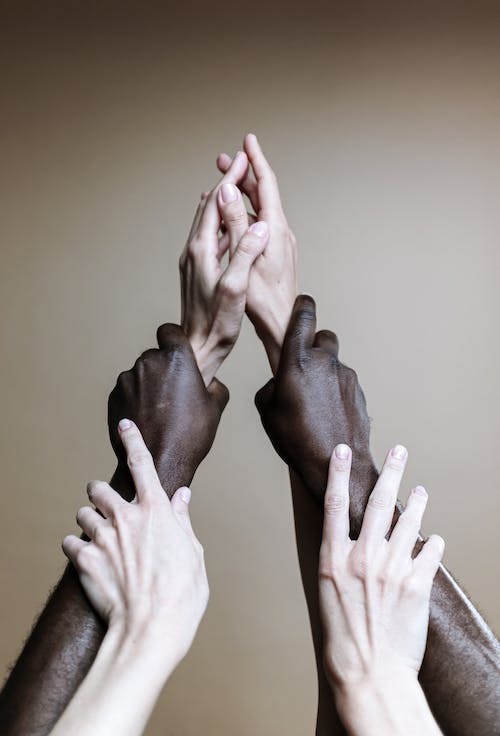
"Photo Of Hands" by cottonbro studio is in the Public Domain, CC0
UN Women is an agency within the United Nations dedicated to promoting gender equality and the empowerment of women globally. The agency was created in 2010, consolidating four separate UN entities working on gender equality issues. UN Women operates in over 90 countries and works in close partnership with governments, civil society organizations, the private sector, and the media.
One of the main ways that UN Women works towards gender equality is through policy and advocacy. The agency works to influence policies and laws that affect women and girls, advocating for the elimination of discrimination and the advancement of gender equality at the national, regional, and global levels. UN Women also provides capacity-building and technical assistance to governments, civil society organizations, and other partners to help them address gender equality issues and integrate a gender perspective into their policies and programs.
UN Women implements a range of programs aimed at addressing specific challenges faced by women and girls, such as ending violence against women, improving access to education and economic opportunities, and increasing women's political participation. The agency works with a range of partners, including governments, civil society organizations, the private sector, and the media, to advance gender equality and the empowerment of women.
In addition to its programmatic interventions, UN Women also collects and analyses data and evidence on gender equality issues to inform its work and advocacy, and to measure progress towards gender equality goals. By providing evidence-based policy recommendations, UN Women helps to ensure that gender equality is integrated into the policies and programs of other UN agencies and provides support to the broader UN system in its efforts to promote gender equality and the empowerment of women.
UN Women plays a crucial role in promoting gender equality and the empowerment of women worldwide. Through its policy and advocacy work, programmatic interventions, partnerships, and data collection and analysis, UN Women works to address the challenges faced by women and girls, and to create a more equitable world for all.
Abraham, M. (2017). Pay formalization revisited: Considering the effects of manager gender and discretion on closing the gender wage gap. Academy of Management Journal, 60(1), 29–54.
Blau, F. D., & Kahn, L. M. (2017). The gender wage gap: Extent, trends, and explanations. Journal of Economic Literature, 55(3), 789–865.
Brown, Nyberg, A. J., Weller, I., & Strizver, S. D. (2022). Pay information disclosure: Review and recommendations for research spanning the pay secrecy–pay transparency continuum. Journal of Management, 48(6), 1661–1694.
Chung, H., van der Lippe, T., & Leerstoel, L. (2020). Flexible working, work–life balance, and gender equality: Introduction. Social Indicators Research, 151(2), 365–381.
Cornwall, A., & Rivas, A-M. (2015). From ‘gender equality and ‘women’s empowerment’ to global justice: Reclaiming a transformative agenda for gender and development. Third World Quarterly, 36(2), 396-415.
Cotton, E., Beauregard, T. A., & Keles, J. Y. (2021). Gender equalities: What lies ahead. Work, Employment and Society, 35(4), 615–620.
Eastin, J., & Prakash, A. (2013). Economic development and gender equality: Is there a gender Kuznets Curve? World Politics, 65(1), 156–186.
Elomäki, A. (2015). The economic case for gender equality in the European Union: Selling gender equality to decision-makers and neoliberalism to women’s organizations. The European Journal of Women’s Studies, 22(3), 288–302.
Eriksson-Zetterquist, & Renemark, D. (2016). Can changes to gender equality be sustained? Gender, Work, and Organization, 23(4), 363–378.
Fodor, E., & Horn, D. (2015). “Economic development” and gender equality: Explaining variations in the gender poverty gap after socialism. Social Problems (Berkeley, Calif.), 62(2), 286–308.
Foley, M., & Cooper, R. (2021). Workplace gender equality in the post-pandemic era: Where to next? Journal of Industrial Relations, 63(4), 463–476.
Gupta, G. R., Oomman, N., Grown, C., Conn, K., Hawkes, S., Shawar, Y. R., Shiffman, J., Buse, K., Mehra, R., Bah, C. A., Heise, L., Greene, M. E., Weber, A. M., Heymann, J., Hay, K., Raj, A., Henry, S., Klugman, J., & Darmstadt, G. L. (2019). Gender equality and gender norms: framing the opportunities for health. The Lancet (British Edition), 393(10190), 2550–2562.
Hardies, K. (2022). Normalising gender equality: Changing gender norms to increase gender equality. Tijdschrift voor genderstudies, 25(3), 212–230.
Hawkes, S., Gamlin, J., & Buse, K. (2022). Social justice: What’s in it for gender equality and health? British Medical Journal (Online), 376, o431–o431.
Heisler, W. (2021). Increasing pay transparency: A guide for change. Business Horizons, 64(1), 73–81.
Kuskoff, E., & Parsell, C. (2021). Striving for gender equality: Representations of gender in “progressive” domestic violence policy. Violence Against Women, 27(3-4), 470–488.
Potvin, D. A., Burdfield-Steel, E., Potvin, J. M., & Heap, S. M. (2018). Diversity begets diversity: A global perspective on gender equality in scientific society leadership. PloS One, 13(5), e0197280–e0197280.
Psaki, S. R., McCarthy, K. J., & Mensch, B. S. (2018). Measuring gender equality in education: Lessons from trends in 43 countries. Population and Development Review, 44(1), 117–142.
Ritter-Hayashi, D., Vermeulen, P. A., & Knoben, J. (2019). Is this a man’s world? The effect of gender diversity and gender equality on firm innovativeness. PloS One, 14(9), e0222443–e0222443.
Romani, L., Zanoni, P., Holck, L., Hjalmsdottir, A., & Bjarnadottir, V. S. (2021). “I have turned into a foreman here at home”: Families and work–life balance in times of COVID‐19 in a gender equality paradise. Gender, Work, and Organization, 28(1), 268–283.
Rotman, A., & Mandel, H. (2023). Gender-specific wage structure and the gender wage gap in the U.S. labor market. Social Indicators Research, 165(2), 585–606.
Schäfer, A., & Gottschall, K. (2015). From wage regulation to wage gap: How wage-setting institutions and structures shape the gender wage gap across three industries in 24 European countries and Germany. Cambridge Journal of Economics, 39(2), 467–496.
Waylen, G. (2014). Informal institutions, institutional change, and gender equality. Political Research Quarterly, 67(1), 212–223.
Yoon, M. Y., & Moon, C. (2019). Gender equality in politics at home and promotion of gender equality in politics abroad: The role of bilateral official development assistance. International Political Science Review, 40(2), 161–180.