Chapter 8: Gender and health
Taking care of our health is an investment in ourselves and our future. Good health helps us maintain the physical ability to engage in activities that we enjoy and enables us to perform daily tasks with ease (Schafer, 2013). It can have a positive impact on our mental well-being and can help us better manage stress, emotions, and life's challenges.
Maintaining good health can reduce the risk of developing chronic diseases such as heart disease, stroke, and certain types of cancer (Ottenvall Hammar & Håkansson, 2013)
. It can also lead to an improved quality of life, allowing us to participate in activities that bring joy, satisfaction, and fulfillment. Good health can also have a positive impact on our relationships, allowing us to maintain and strengthen our connections with others (Strawbridge, Shema, Cohen, & Kaplan, 2001). By taking care of our health, we can increase our lifespan and live a longer, healthier life (Jean-Louis, Grandner, & Pandi-Perumal, 2021; Stessman, Rottenberg, Shimshilashvili, Ein-Mor, & Jacobs, 2014).

"Flat-lay Photography of Vegetable Salad on Plate" by Ella Ollson is in the Public Domain, CC0
There are several factors which can influence our health and overall well-being. For example, a person's genes can influence their susceptibility to certain diseases and conditions. A person's lifestyle choices, such as diet, exercise, substance use, and sleep habits, can have a significant impact on their health (Mirowsky & Ross, 1998). A person's physical environment, such as air and water quality, exposure to toxins, and access to healthcare, can also affect their health.
Furthermore, socioeconomic factors, such as income (Benzeval & Judge, 2001), education (Lutz & Kebede, 2018), and occupation (Stewart, Fischer, Hirji, & Davis, 2016) can influence a person's health through their access to resources and opportunities. Even health behaviors, such as tobacco and alcohol use, physical activity levels, and stress management practices can greatly influence health. A person's medical history, including any chronic conditions or illnesses, can influence their current and future health. Access to quality healthcare, including preventive care and timely treatment, can greatly impact a person's health outcomes.
In addition to these above considerations, gender also plays a key role in how we maintain our physical health, mental health, and emotional well-being (Williams & Wiebe, 2000). For example, gender stereotypes can prevent people from seeking healthcare by leading them to assume that they should be able to "tough it out" or "handle it on their own" when they're experiencing symptoms. This can be particularly true for men who may be socialized to believe that they should be strong and self-reliant and that seeking help is a sign of weakness.
Additionally, stereotypes can also prevent people from seeking healthcare by leading them to assume that they will not be taken seriously or that their symptoms will be dismissed by healthcare providers. For example, women may be more likely to have their symptoms dismissed as "anxiety" or "hysteria," while men may be more likely to have their symptoms dismissed as "indigestion" or "stress."
In this chapter we will discuss how gender is directly tied to our overall welfare by exploring physical health, mental health, and emotional well-being. We will also discuss the ways in which gender intersects with other factors including societal expectations, stereotypes, and sexual orientation to influence health outcomes, as well as the many disparities involved regarding gender and health. Finally, we will discuss the importance of self-care and why it is important to receive culturally competent and inclusive healthcare throughout our lives, and how to advocate on our behalf to ensure that we receive the quality level of care that we deserve.

"Woman in Blue Tank Top doing Running Exercise" by Tima Miroshnichenko is in the Public Domain, CC0
Taking care of our physical health is an important aspect of maintaining overall well-being and quality of life (Schafer, 2013). Physical health is important for several reasons. Good physical health enables us to perform daily tasks and activities with ease, improving our overall quality of life. Regular exercise and maintaining a healthy lifestyle can improve the functioning of the immune system, reducing the risk of illness and infection. Physical activity can help regulate sleep patterns and improve sleep quality, leading to better overall health (Ghrouz, Noohu, Dilshad Manzar, Warren Spence, BaHammam, & Pandi-Perumal, 2019). Good physical health can increase energy levels, allowing us to be more productive and engage in activities that bring us joy and fulfillment.
The lifestyle choices we make can lead to better or worse health outcomes. If we recognize an area in which we could make better lifestyle choices, we can change our behaviors and mindset to bring a healthier life to fruition. However, there are some factors that also greatly influence our physical health over which we have little to no control. For example, the hormones which our bodies produce can interact with other factors to influence health outcomes.
Estrogen is a hormone produced primarily in the ovaries in women. It has many functions in the body including effects on the reproductive system, bone health, and cardiovascular system (Chisholm, 2022). Estrogen plays a crucial role in regulating the menstrual cycle and preparing the body for pregnancy. It helps regulate bone formation and maintenance, and its decline during menopause can increase the risk of osteoporosis. It has a protective effect on the cardiovascular system, reducing the risk of heart disease and stroke.
Estrogen levels can be influenced by various factors such as age, hormonal imbalances, and certain medications. For example, estrogen levels naturally decrease as women age, particularly after menopause. Body weight can affect estrogen levels, as obesity can increase estrogen production, while weight loss can lead to decreased estrogen levels. Physical activity can affect estrogen levels, as both excessive and insufficient exercise can lead to changes in estrogen levels.
A diet high in processed foods and low in fruits, vegetables, and whole grains can lead to elevated estrogen levels. Chronic stress can affect estrogen levels, as high levels of cortisol, the stress hormone, can suppress estrogen production. Certain medications, such as hormonal birth control and hormone replacement therapy, can affect estrogen levels. Certain medical conditions, such as polycystic ovary syndrome (PCOS) and thyroid disorders, can affect estrogen levels.
Abnormal levels of estrogen can have negative effects on health including an increased risk of certain cancers and should be monitored and managed under the care of a healthcare professional. To ensure quality health, it is important to maintain healthy lifestyle habits such as a balanced diet and regular exercise and to discuss any concerns about estrogen levels with a healthcare provider.
Conversely, testosterone (see Diokno, 2022) is a hormone that plays an important role in the development and maintenance of male physical health. It contributes to the growth and maintenance of muscle mass, bone density, and body hair, as well as the regulation of sexual and reproductive functions.
Testosterone is important for maintaining healthy bones. Low testosterone levels can lead to decreased bone density and an increased risk of osteoporosis. It can also lead to decreased muscle mass and strength which can be particularly concerning for older men who are already at risk for muscle loss and decreased physical function. Low testosterone levels can also lead to fatigue, decreased sex drive, erectile dysfunction, and decreased sperm production. Testosterone helps regulate body composition, and low testosterone levels can lead to an increase in body fat, especially in the abdominal area.
On the other hand, high levels of testosterone can have several negative effects on physical health. High levels of testosterone have been linked to an increased risk of heart disease and liver dysfunction, which can cause a range of health problems. It can lead to an enlarged prostate, which can cause urinary symptoms and an increased risk of prostate cancer. It can also lead to an increase in sebum production, which can cause acne and other skin problems.
Testosterone levels can be affected by various factors including age, diet, weight, and stress levels. As such, it is important to maintain normal testosterone levels for overall physical health and well-being. In some cases, high or low testosterone levels can be treated with medications or lifestyle changes.
As reported by Williams and Wiebe (2000):
“Women consistently rate themselves to be in poorer health compared to men (Gijsbers van Wijk and Kolk, 1997, Pennebaker, 1982, Verbrugge, 1985). Furthermore, women make more physician visits (NCHS, 1994), take more sick days from work (NCHS, 1994) and use more prescription and non-prescription medication (Verbrugge, 1985). While each of these indices of physical morbidity may have their own unique predictors, it is typically assumed that womens' assessments of their health serve as a basis for many related health care decisions (e.g. when to go to the physician, when to take medication, etc.) (Waldron, 1997).
Because most national health statistics are based upon self-report data, the issue of whether women are actually sicker than men, or are merely more likely to report symptoms of illness compared to men remains unresolved. Because biological differences between men and women have not been demonstrated to fully account for gender differences in symptom reporting (e.g. Popay et al., 1993, Verbrugge, 1985), psychosocial factors are thought to play an important role.” (p. 825)
Gender stereotypes can also have a significant impact on health care decisions. As previously discussed, gender stereotypes are oversimplified beliefs, opinions, and attitudes about what are considered to be the typical characteristics, abilities, and behaviors of males and females. These stereotypes can be based on gender roles, which are societal expectations of how individuals of each gender should behave, think, and feel. For example, gender stereotypes can affect the way pain is perceived and managed (Samulowitz, Gremyr, Eriksson, & Hensing, 2019). Women's pain may be under-diagnosed or dismissed as psychological, while men may be over-diagnosed with physical conditions and given pain medications. Gender stereotypes can even affect the way healthcare providers communicate with patients. Women may be talked to in a condescending manner, while men may be assumed to be more knowledgeable about their health and less likely to seek help. Breaking down these gender stereotypes and promoting an equitable and inclusive approach to healthcare can improve patient outcomes and experiences and help to ensure that everyone receives the care they need, regardless of gender.
Gender stereotypes can lead individuals to perceive themselves as invulnerable to certain health conditions, which can prevent them from seeking care when they experience symptoms. For example, men may be less likely to seek care for prostate cancer because they may perceive themselves as invulnerable to the disease. They can also lead individuals to misunderstand or misdiagnose their symptoms, which can prevent them from seeking appropriate care. For example, women may be more likely to attribute their symptoms to stress or hormones rather than recognizing them as symptoms of a serious medical condition.
Gender stereotypes may also be responsible for why women may be less likely to receive certain diagnostic tests and treatments, particularly in relation to heart disease. For example, women are less likely to be given cardiac stress tests and angiograms, despite having similar symptoms as men. This is because heart disease is often thought of as a "man's disease," so women's symptoms may be attributed to other causes. Another way is that women's symptoms may not be taken as seriously as those of men. For example, women are more likely to experience pain in the chest, back, jaw, or arm, rather than the classic "crushing" chest pain that is more commonly associated with heart attacks in men. As a result, women's symptoms may be dismissed as indigestion or anxiety, and they may not receive the urgent medical attention they need.
According to Dr. Samit Shah (2021) of the Yale School of Medicine:
“Women come to a hospital Emergency Department or doctor’s office complaining of chest pain, shortness of breath, nausea, lightheadedness, jaw pain, or other symptoms considered concerning for a heart problem. The women might undergo standard testing to see if they have a critical cholesterol blockage in their arteries, the hallmark of obstructive coronary artery disease.
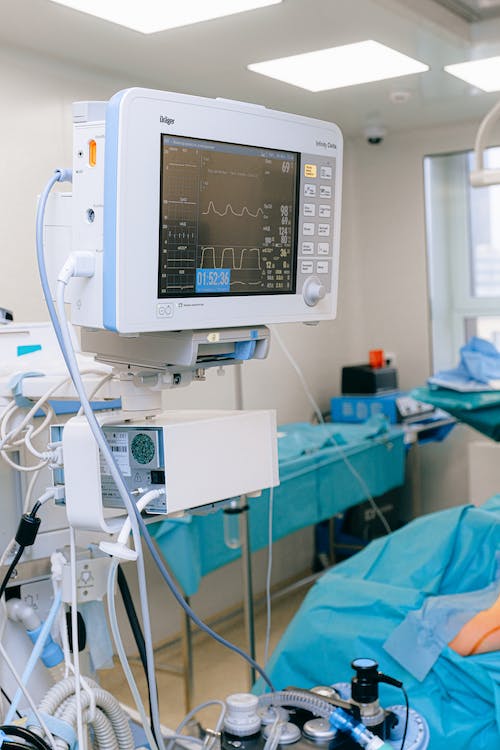
"Medical Equipment on an Operation Room" by Anna Shvets is in the Public Domain, CC0
But only 50 percent of women presenting with these symptoms show a blockage after cardiac catheterization — a procedure in which a long, thin tube is inserted through the blood vessels to the heart — and an angiogram — an x-ray of the blood vessels taken to show the blood supply to the heart muscle. If a blockage is not detected, they are often sent home without additional testing or a clear diagnosis.”
Gender intersects with other factors, such as race, socioeconomic status, and sexual orientation, to influence physical health outcomes in complex and nuanced ways (see Bhopal, 2007). Racial disparities can intersect with gender to affect health outcomes (Jerald et al., 2017). For example, black women are more likely to experience higher rates of hypertension, obesity, and breast cancer compared to white women. In terms of socioeconomic status, women and gender minorities who experience poverty and lack of access to health resources are more likely to experience poor health outcomes, including increased rates of chronic disease. Even sexual orientation can intersect with gender to influence health outcomes. For example, LGBTQ+ individuals experience higher rates of mental health conditions, such as anxiety and depression, due to social stigma and discrimination.
These intersections highlight the importance of considering multiple factors when evaluating and addressing health disparities (Dusenbery, 2018). Addressing social determinants of health, such as poverty, discrimination, and access to health resources, can help to reduce health disparities and improve health outcomes for all individuals, regardless of gender, race, socioeconomic status, or sexual orientation.
In particular, these and other factors create unique challenges and barriers for marginalized communities in accessing physical health care. Marginalized communities, such as communities of color, low-income communities, and LGBTQ+ communities, are more likely to experience health care disparities, including reduced access to quality health care and lower utilization of preventive health services. Health care providers may not have the cultural competence or understanding to provide effective care for marginalized communities, leading to misdiagnosis, inadequate treatment, and reduced trust in the health care system.
Marginalized communities may also face stigma and discrimination within the health care system, leading to fear and reluctance to seek care, and reduced trust in the health care system. Financial barriers, such as lack of insurance coverage, high out-of-pocket costs, and limited access to affordable health care can prevent marginalized communities from accessing the health care they need. Structural barriers, such as transportation and geographic isolation, can prevent marginalized communities from accessing health care services.
Addressing these challenges and barriers requires a comprehensive approach that recognizes the intersections of gender, race, socioeconomic status, and sexual orientation, and takes steps to increase access to quality health care for all individuals, regardless of their background. This may include expanding access to health insurance, increasing funding for community health clinics, and promoting cultural competence in the health care workforce.
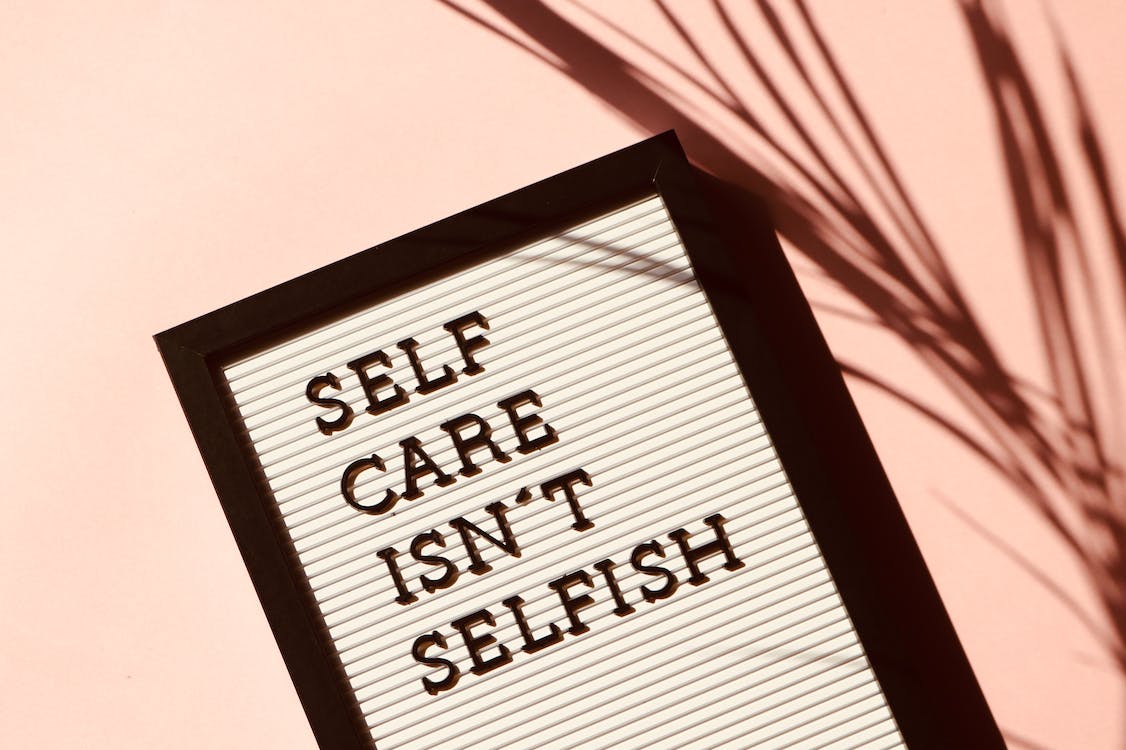
"Self Care Isn't Selfish Signage" by Madison Inoyue is in the Public Domain, CC0
Mental health refers to a person's emotional, psychological, and social well-being. It affects how an individual thinks, feels, and behaves in daily life. Good mental health is characterized by a sense of emotional stability, resilience, and the ability to manage stress and adversity (Wilhelm, 2014).
Mental health is important for several reasons. For example, mental health is an essential component of overall well-being as it affects how individuals perceive and experience the world around them (Getik & Meier, 2022). Good mental health enables individuals to lead productive, fulfilling lives, manage relationships, and make meaningful contributions to their communities. Mental health also has a significant impact on physical health, as conditions such as stress, anxiety, and depression can increase the risk of developing chronic conditions such as heart disease, stroke, and type 2 diabetes.
In addition to affecting physical health, hormones also affect mental health (Casper, 1998). Hormones such as serotonin and dopamine, for example, play a role in regulating mood and emotions. Imbalances in these hormones can contribute to the development of mood disorders such as depression and anxiety. Specifically, hormonal changes that occur during a woman's menstrual cycle, pregnancy, and menopause can contribute to the development of mental health conditions such as premenstrual dysphoric disorder (PMDD), postpartum depression, and perimenopause-related depression. Fluctuations in estrogen levels can also negatively affect mood and cognitive function in women.
Changes in hormones can also have an impact on a man's mental health. Imbalances in thyroid hormones can lead to changes in mood, including depression and anxiety. Chronic high levels of cortisol can contribute to depression, anxiety, and other mental health conditions. Although generally thought of as a ‘female’ hormone, men also produce estrogen. Imbalances in estrogen levels in men have been linked to mood changes including depression and anxiety. Furthermore, the hormonal changes that occur with aging, such as a decrease in testosterone, can contribute to the development of mental health conditions such as depression and anxiety in men.
Hormonal therapy is a common treatment for gender dysphoria, a condition where an individual experiences a mismatch between their gender identity and the sex they were assigned at birth (Chiam, Dalke, & Francis, 2022). Hormone therapy can help alleviate gender dysphoria symptoms by bringing the body into alignment with the individual's gender identity (Turban, King, Kobe, Reisner, & Keuroghlian, 2022).
Societal expectations and stereotypes also play a significant role in mental health outcomes for individuals of different genders (Cuellar & Paniagua, 2000). Masculine ideology, for example, which often emphasizes the values of strength, stoicism, and self-reliance, can create a barrier for men to access mental health care in several ways. Men may be reluctant to seek help for mental health issues due to the stigma associated with seeking help or appearing weak. The belief that men shouldn't show emotions, shouldn’t express vulnerability, and should be able to solve their problems on their own can make it difficult for them to acknowledge and address mental health problems. Men may also fear being judged by others as weak or unmanly if they seek help for mental health issues. These societal expectations can discourage men from seeking help and prevent them from accessing the mental health care they need.
Women are often expected to prioritize the needs of others, to be nurturing and caregiving, and to be emotionally expressive. This can lead to increased stress, anxiety, and depression, as well as difficulty setting boundaries and taking care of themselves. Whereas men may be less likely to seek help for mental health issues due to the societal pressure to be strong and independent, women may feel pressure to prioritize the needs of others over their own, leading to neglect of their own mental health.
Studies have shown that certain mental health conditions, such as depression and anxiety, are more prevalent in women than men. This can be due to a variety of factors such as hormonal differences, societal expectations, and experiences of trauma and discrimination. For example, women are more likely to experience trauma, such as sexual assault, which can increase the risk of developing mental health conditions. Additionally, women are also more likely to seek help for their mental health, which can lead to higher rates of diagnosis.
As reported by Pezenik (2020):
“New data released by the Centers for Disease Control and Prevention's National Center for Health Statistics surveying nearly 32,000 adults and 6,800 children across more than 33,000 households reveals that in 2019 women were more likely to experience symptoms of depression and anxiety than men, and more likely to receive counseling or therapy, or take prescription medication, to promote their mental health.
While white and Black adults reported experiencing symptoms of depression equally, white adults were more likely to receive concurrent mental health treatment. Hispanic adults were the least likely to have received any mental health treatment.”
On average, women tend to report higher levels of emotional distress and lower levels of life satisfaction compared to men. However, women are also more likely to seek help for mental health concerns and to use coping strategies that prioritize emotional expression and support from others. Men, on the other hand, tend to report lower levels of emotional distress but are less likely to seek help for mental health concerns and to use coping strategies that prioritize active problem-solving and stoicism.
Certain treatments for mental health conditions may be more effective for men or women. For example, research has shown that women may respond better to talk therapy and medication for depression, while men may benefit more from physical activity and therapy focused on problem-solving and coping skills. Additionally, hormone therapy may be more effective for treating conditions such as premenstrual dysphoric disorder and perimenopausal depression in women. It is important for healthcare providers to be aware of these gender-specific treatment options and to individualize treatment plans based on the patient's gender identity and specific needs.
Mental health can be affected by an individual's multiple identities including gender, race, sexual orientation, and socio-economic status (Smalley, Warren, & Barefoot, 2018). For example, research has shown that individuals who identify as LGBTQ+ have a higher risk of developing mental health conditions due to the added stress of discrimination and marginalization (Katz-Wise, Rosario, Calzo, Scherer, Sarda, & Austin, 2017). Additionally, individuals who identify as non-binary may face additional challenges when accessing healthcare and mental health services that are not inclusive of their identity.
Transgender individuals often face unique challenges in accessing mental health care and can experience significant levels of stress and mental health concerns due to societal stigma, discrimination, and a lack of acceptance (Israel & Tarver, 2009). Many mental health providers may lack knowledge and understanding of transgender identities and the unique mental health needs of this population (Jones & Hill, 2002). There may be a shortage of mental health providers who are knowledgeable and culturally competent in serving the transgender community.
Transgender individuals may face overt or subtle discrimination, stigma, and prejudice from providers, which can lead to distrust and prevent them from seeking care. Insurance coverage for transgender-related care, including mental health services, can be limited or lacking altogether. Access to mental health care can be limited for those who cannot afford it, and transgender individuals may face additional financial barriers due to job discrimination and poverty (Jones & Hill, 2002). In some areas, there are no legal protections in place for transgender individuals, which can further contribute to their vulnerability and reluctance to seek care.
It is important to challenge and overcome these societal expectations and stereotypes in order to promote better mental health outcomes for individuals of all genders. This can be achieved through education and awareness-raising, as well as policies and initiatives that promote gender equality and mental health support. Encouraging individuals to seek help when they need it, regardless of their gender, is also important for reducing the negative impact of societal expectations and promoting better mental health outcomes.
Good mental health can improve the quality of life, allowing individuals to experience positive emotions, handle life's challenges, and enjoy meaningful relationships. Therefore, it is important to prioritize and take care of mental health in order to lead a healthy and fulfilling life. This can be achieved through practices such as exercise, mindfulness, therapy, and support from friends and family.

"Man in Red Crew Neck Shirt" by lucas souza is in the Public Domain, CC0
Emotions are complex psychological and physiological experiences that are associated with thoughts, feelings, and behaviors. They are typically triggered by a situation, event, or thought and can have both a psychological and physical component. Some common emotions include happiness, sadness, anger, fear, surprise, disgust, and contempt.
Emotions play an important role in our lives as they can motivate us, help us navigate social situations, and provide information about what is happening in our environment. Emotions can also affect our physical well-being, with some emotions, such as stress and anger, having the potential to impact our health if they are experienced in excess or over an extended period of time. Understanding and managing emotions is a key aspect of emotional intelligence and overall well-being.
Gender can influence emotions in various ways. However, research suggests that gender stereotypes and societal norms can impact how emotions are expressed and perceived, with women often being more associated with expressing emotions such as sadness, while men are often expected to display anger. Biological factors, such as hormones, can also play a role in emotions, with some studies suggesting that testosterone may be related to increased feelings of anger and aggression in men, while estrogen levels in women may contribute to heightened emotional reactivity. Furthermore, cultural and socialization experiences can also shape how emotions are experienced and expressed, as individuals learn from their environment how to express emotions and how to interpret the emotions of others.
Plant, Hyde, Keltner, and Devine (2000) found results which “document the existence of clear gender stereotypes of emotions and demonstrate that people’s personal beliefs are consistent with these stereotypes. People interpret adults’ ambiguous emotional expressions in a stereotype-consistent manner” (p. 90)
Further research has shown that both men and women experience emotions similarly (Shields, 2013). However, gender-based societal expectations and cultural norms can influence the expression of emotions. Both men and women are capable of experiencing a wide range of emotions, and emotional experiences are not limited to one gender. Yet, traditional gender roles and societal expectations may result in different emotional expressions for men and women. For example, men may be expected to suppress emotions such as sadness or vulnerability while women may be expected to be more emotional and expressive.
With that in mind, emotional well-being refers to an individual's overall sense of satisfaction and happiness in life and their ability to effectively manage and regulate their emotions. It encompasses many different aspects of mental health including feelings of contentment, joy, and purpose, as well as the ability to handle stress, overcome challenges, and form positive relationships with others. It is an important component of overall health and happiness, and is influenced by many factors, including genetics, personal circumstances, and social and cultural norms. Maintaining good emotional well-being can involve engaging in activities that bring joy and fulfillment, developing healthy coping strategies for stress, and seeking support from others when needed (Bulan, Erickson, & Wharton, 1997).
Many different factors can influence a person's emotional well-being (Hartas & Kuscuoglu, 2020). Factors such as personal relationships, work and financial stability, physical health, and life events can all have a significant impact on emotional well-being. Some research suggests that emotional well-being can be influenced by a person's genetics.
Having strong, supportive relationships with family and friends can positively impact emotional well-being. Cultural and societal expectations and norms around emotions and emotional expression can influence emotional well-being. Factors such as sleep, exercise, diet, and substance use can also affect emotional well-being.
Overall, emotional well-being is a complex and multi-faceted concept and no single factor can determine a person's overall level of emotional well-being. Rather, it is the interplay of many different factors that shape a person's emotional well-being, and it is possible to work on improving emotional well-being through intentional effort and support.
There are many organizations dedicated to promoting emotional well-being and mental health. Some of these organizations include:
- National Alliance on Mental Illness (NAMI): A nonprofit organization that provides support, education, and advocacy for individuals and families affected by mental illness.
- American Psychological Association (APA): A professional organization for psychologists that provides resources and advocacy for mental health.
- Mental Health America (MHA): A national organization dedicated to promoting mental health and improving the lives of individuals living with mental illness.
- National Institute of Mental Health (NIMH): A part of the National Institutes of Health, the NIMH conducts and supports research on mental health and provides resources and information to the public.
- Anxiety and Depression Association of America (ADAA): A national organization that provides resources and support for individuals with anxiety and depression.
- Substance Abuse and Mental Health Services Administration (SAMHSA): A federal agency that works to improve access to behavioral health services and support for individuals with mental illness or substance use disorders.
These organizations offer resources such as support groups, educational materials, and mental health services to help individuals improve their emotional well-being. They also work to raise awareness and reduce the stigma surrounding mental illness, and advocate for policies that support the mental health and well-being of all individuals.
The American Psychological Association (APA) recognizes that women are disproportionately affected by mental health issues and calls for more research to understand the specific challenges that women face in accessing mental health care. The APA also advocates for the development of culturally sensitive and gender-specific mental health interventions, as well as policies that address the social determinants of mental health, such as poverty and discrimination.
Specifically, the APA states that women are more likely to experience depression, anxiety, and post-traumatic stress disorder (PTSD) than men, and that women are more likely to experience multiple mental health problems at the same time. Additionally, the APA states that women are more likely to experience poverty, which can exacerbate mental health disparities and make it more difficult for them to access mental health care. The APA also highlights that women face additional barriers to mental health care that men do not, such as lack of transportation, lack of childcare and cultural stigmas, which affect the way women seek help and the way mental health providers offer it.
According to the U.S. Department of Health and Human Services (2003), women tend to receive lower quality of healthcare than men, and women's health concerns are often not taken as seriously by healthcare providers. Additionally, women may face more barriers to accessing healthcare, such as lack of insurance, transportation, or difficulty taking time off work to attend appointments (Zegeye, El-Khatib, Ameyaw, Seidu, Ahinkorah, Keetile, & Yaya, 2021). There are also disparities in health outcomes for women, with women experiencing higher rates of certain conditions like heart disease and stroke, as well as higher rates of poverty and other social determinants of health.
Women are less likely to receive timely and appropriate medical treatment and are more likely to be misdiagnosed or have their symptoms dismissed by healthcare providers. Women's health concerns, such as those related to reproductive health, may not be given as much attention or priority as men's health concerns. Women are more likely to experience poverty, which can exacerbate health disparities and make it more difficult for them to access healthcare.
Women are underrepresented in clinical trials and medical research, which can result in a lack of knowledge about how to effectively diagnose and treat conditions that affect women. Women may be more likely to be prescribed psychotropic medications and less likely to receive psychotherapy. Women may have difficulty balancing the demands of work, family and seeking help. These disparities can have serious consequences for women's health and well-being and can contribute to higher rates of morbidity and mortality among women.
These disparities can have serious consequences for women's mental health and well-being and can contribute to higher rates of morbidity and mortality among women. These disparities affect not only cis-gender women but also transgender and non-binary individuals, as well as women from different ethnic and racial backgrounds, socioeconomic status, sexual orientation and other intersectional factors.
There is evidence that gay people, for example, may be treated differently than straight people in healthcare (Gessner, Bishop, Martos, Wilson, & Russell, 2020). Studies have shown that gay people may be less likely to receive certain diagnostic tests and treatments, and that their symptoms may not be taken as seriously as those of straight people. Additionally, gay people may be more likely to experience bias and discrimination from healthcare providers, particularly in relation to their sexual health and mental health (Smalley, Warren, & Barefoot, 2018).
Gay people may be less likely to disclose their sexual orientation to healthcare providers and may be less likely to seek out healthcare services (Dan, Hughes, & Smith, 2013). This can lead to a lack of understanding of their health needs and experiences, which can result in gay people not receiving appropriate diagnostic tests and treatments. Gay men may be at a higher risk for certain sexually transmitted infections (STIs) and may face discrimination and bias when seeking testing and treatment for them. There is also evidence that gay men may be more likely to avoid seeking healthcare due to fear of discrimination.
Additionally, gay people may be more likely to experience mental health issues, such as depression and anxiety, due to societal discrimination and lack of acceptance. However, these mental health issues may not be recognized or taken seriously by healthcare providers, leading to inadequate care. Furthermore, lesbian and bisexual women may have different health needs and risks than heterosexual women, which can lead to them being overlooked or misdiagnosed by healthcare providers. For example, they may be at higher risk for certain cancers, such as breast cancer, due to lack of screening and preventive care.
Non-binary individuals may face a number of barriers when accessing healthcare as well. Non-binary individuals may not be accurately represented in data collection and research, which can lead to a lack of understanding of their health needs and experiences. Many healthcare providers may not have knowledge or understanding of non-binary identities and may not know how to provide appropriate care for non-binary patients. Relatedly, many healthcare providers may not have received training on providing care for non-binary individuals, which can lead to a lack of understanding of their health needs and a lack of cultural competence.
Many health care forms and processes may not include options for non-binary individuals, making it difficult for them to access care. Non-binary individuals may also experience stigma and discrimination when accessing healthcare, which can lead to mistrust of healthcare providers and reluctance to seek care. They may have limited access to gender-affirming care, such as hormone therapy or surgery, which can be essential for their physical and mental well-being.
Healthcare providers can work to address these barriers by increasing their understanding of non-binary identities, improving data collection, providing training, using inclusive language and forms, and providing gender-affirming care when appropriate. Additionally, non-binary patients should be encouraged to communicate their needs and preferences to their healthcare providers.
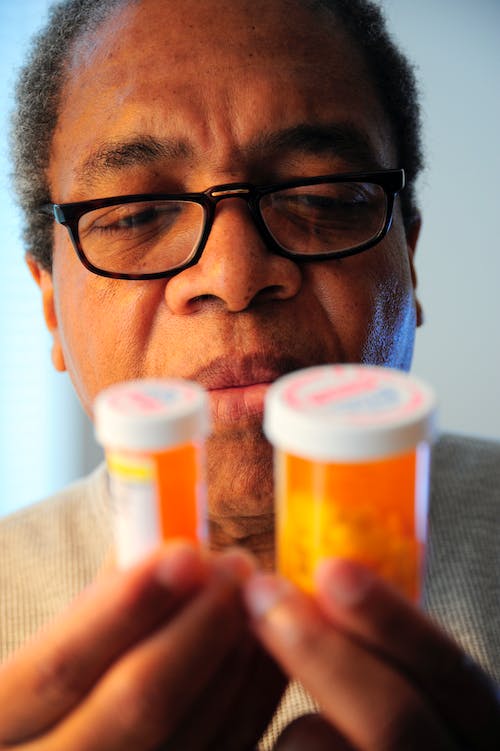
"Man Holding Pill Bottles" by oscar Williams is in the Public Domain, CC0
Understanding the role of healthcare providers in addressing gender and mental health, physical health, and emotional well-being is an important component of receiving culturally competent and inclusive healthcare (George, Davey, Mohanty, & Upton, 2020). This includes understanding the unique experiences and challenges faced by individuals of different genders, being aware of and sensitive to the intersectionality of identities and providing gender-specific treatments when appropriate. It also includes training healthcare providers on how to create a safe and welcoming environment for patients of all genders and providing adequate resources and support for patients who may be facing discrimination and marginalization.
There are several ways that healthcare providers can ensure that they are not operating on gender stereotypes when treating patients, such as by understanding and acknowledging implicit bias. Implicit bias (see De Houwer, 2019) refers to the attitudes or stereotypes that affect our understanding, actions, and decisions in an unconscious manner. Healthcare providers can become more aware of their own unconscious biases by taking implicit bias training, which can help them recognize and address their own biases (Burns & McNally, 2021).
Implicit bias training is a type of educational program that aims to raise awareness of implicit biases (Cooper, Saha, & van Ryn, 2022). The training typically involves educational activities and exercises designed to help individuals recognize and challenge their implicit biases, and to promote equitable behavior and decision-making. The goal of implicit bias training is to reduce the impact of implicit biases on people's interactions and decision-making in various settings including not only in healthcare, but also the workplace, education, and criminal justice. The effectiveness of implicit bias training is a topic of ongoing debate and research (Kim & Roberson, 2021). Some studies have shown that implicit bias training can lead to increased awareness of implicit biases and a temporary reduction in their influence on behavior. However, the long-term impact of implicit bias training on reducing implicit biases and promoting equitable behavior is not well established.
Implicit (or unconscious) bias and stereotypes are closely related in that unconscious bias often arises from and reinforces stereotypes. Unconscious bias refers to attitudes and beliefs that people hold unconsciously and that can influence their perceptions and actions towards others. Stereotypes, on the other hand, are oversimplified and standardized beliefs about a group of people based on their characteristics, such as race, gender, nationality, etc. Unconscious biases can develop from exposure to stereotypes, and in turn, they can lead people to act in ways that reinforce and perpetuate stereotypes.
The use of evidence-based guidelines would also be beneficial (Davy, 2014).
Evidence-based guidelines are recommendations for clinical practice or policy that are informed by the best available scientific evidence. They aim to synthesize the latest research findings and make recommendations based on the strongest evidence. Evidence-based guidelines are developed through a systematic process that involves a thorough review of relevant studies and a rigorous assessment of the quality and strength of the evidence. The goal of evidence-based guidelines is to ensure that decision-making and practices are informed by the best available scientific knowledge, leading to improved patient outcomes and more effective use of resources.
Evidence-based guidelines provide healthcare providers with the most current and accurate information about how to diagnose and treat patients. They can help healthcare providers avoid relying on stereotypes and instead make decisions based on the best available evidence. In addition, gathering a comprehensive medical history can help healthcare providers understand the unique health needs and experiences of each patient, rather than relying on stereotypes.
As stated by Alcalde-Rubio, Hernández-Aguado, Parker, et al., (2020):
“Future clinical practice interventions should be developed with a gender perspective and should be comprehensive, long-term, experimental, evaluated with standardized methods, and specifically developed to tackle gender bias. In addition, they should address not only the women-man dichotomy, but also the gender continuum. Interventions should consider facilitators and barriers to include gender perspective in healthcare and they should always be adapted to the specific context, moment and population targeted. Finally, successful implementation is not enough, monitoring is essential. Standardized indicators and audits need to be developed for a structural embedding of gender in clinical practice.”
It is also important that consumers of healthcare be involved in their own care (Mello, Tan, Sanders-Jackson, & Bugman, 2019). Encouraging patients to ask questions and provide information about their symptoms and concerns can help healthcare providers better understand their patients' specific needs. Cultural, ethnic and socioeconomic factors may also influence health care utilization and patient's understanding of their health issues. However, even with all these efforts, healthcare providers may still unconsciously fall into stereotypes, but being aware of it and actively working to overcome it can help to minimize their effects on patient's care.
There are also many steps that healthcare providers can take to create more inclusive and affirming environments for patients of all genders (Pagano, 2015). For example, healthcare providers can use gender-neutral language when communicating with patients, such as referring to them as "they" or "them" instead of gendered terms, or they can simply ask patients what pronouns they prefer to be referred to, such as she/her, he/him, or they/them. This shows that the provider is respectful of the patient's gender identity.
Providers can offer training to their staff on the importance of gender diversity and inclusivity, including how to provide affirming care to patients of all genders. They can display posters, literature, or symbols that show their commitment to inclusivity and diversity, such as a rainbow flag or a transgender symbol. Even providing gender-neutral restrooms can help create a more inclusive environment for patients who may not feel comfortable using gendered restrooms. By making changes like these, providers can help ensure that all patients feel welcome, respected, and valued.
Implicit bias training is a type of educational intervention aimed at reducing unconscious or implicit biases. These biases refer to attitudes and stereotypes that unconsciously influence our thoughts, beliefs, and behaviors. The training often includes a series of exercises and activities that help participants become more aware of their own biases and the impact they can have.
One effective way implicit bias training can be done is through online modules that use interactive activities, such as hypothetical scenarios, role-playing exercises, and self-reflection exercises, to help individuals recognize and reflect on their own biases. In addition, training may also include education on the science of implicit bias and how it affects decision making, as well as strategies for reducing its impact in the workplace or other settings.
Studies have shown that implicit bias training can be effective in increasing awareness and reducing implicit biases in some individuals. However, it is important to note that the results can vary depending on the design and implementation of the training, as well as the individual's motivation and level of engagement. Additionally, implicit biases are complex and deeply ingrained, so changing them can take time and sustained effort beyond a one-time training.
Typically, such types of trainings would include the following:
- Introduction: Participants are introduced to the concept of implicit bias and how it can impact decision making in the workplace.
- Self-Assessment: Participants take an implicit bias test to help them understand their own unconscious biases.
- Education: Participants learn about the science behind implicit bias, how it is formed, and its impact on behavior.
- Group Discussion: Participants engage in small group discussions to reflect on their own biases and how they can impact the workplace.
- Scenario Analysis: Participants analyze hypothetical scenarios that highlight the potential impact of implicit biases in the workplace.
- Strategies for Change: Participants learn and practice strategies for reducing the impact of implicit biases in their workplace.
- Action Planning: Participants develop an action plan to continue their learning and efforts to reduce implicit biases.
- Follow-Up: Participants receive follow-up resources and support to continue their progress in reducing implicit biases.
These types of implicit bias training are designed to increase awareness, educate, and engage participants in reducing the impact of implicit biases in the workplace. The interactive and reflective nature of the training helps participants become more conscious of their own biases and empowers them to take action to reduce them.

Untitled picture used by permission from Nickxar under Creative Commons Attribution-NonCommercial-ShareAlike 4.0 license
As previously discussed in this chapter, social norms regulate the expression of emotions by dictating what is considered appropriate and acceptable behavior in different social contexts. These norms can vary depending on cultural, regional, and individual factors, but they generally serve to restrict emotional expression in some way.
Traditional gender norms often dictate that men should suppress their emotions and appear tough and unemotional, while women are expected to be more expressive and open about their feelings. Workplace norms often prioritize emotional control and professionalism and may discourage employees from expressing strong emotions in the workplace.
Family norms can also shape emotional expression, dictating what types of emotions are acceptable to express and in what contexts. Social status can also play a role in regulating emotional expression. People in positions of power may be expected to exhibit more emotional control, while those in lower positions may have more freedom to express their emotions.
These social norms can have a significant impact on how individuals experience and express their emotions, influencing the emotions they feel comfortable showing and the ways in which they express them. For example, a person who has internalized social norms that emphasize emotional control may suppress their feelings and avoid expressing them in public, even if they are feeling overwhelmed. On the other hand, someone who feels comfortable challenging these norms may be more expressive and open about their emotions.
However, these social norms are not absolute and can change over time and across different cultural contexts. One interesting context in how men and women differ in expressing one specific emotion, surprise, is demonstrated in social media videos created by Nickxar, a social media content creator located in Dublin, Ireland. In a series of videos, which collectively have been viewed a half billion times worldwide, Nickxar dresses up as various characters to surprise passersby on the streets. For example, he will dress as a potted plant, sit motionless until a group of individuals comes close, and then jump up to surprise them.
It is interesting to witness just how differently men and women typically respond to this prank. Generally, men try to suppress their shock and surprise by exhibiting an aura of toughness, trying to pretend that they were not surprised at all. Women, on the other hand, are much more vocal in their response to this prank and often exhibit much more excited behaviors compared to their male counterparts.
Many thanks to Nickxar for allowing me to include his social media content in this textbook!
Alcalde-Rubio, L., Hernández-Aguado, I., Parker, L.A., et al. (2020). Gender disparities in clinical practice: Are there any solutions? Scoping review of interventions to overcome or reduce gender bias in clinical practice. International Journal for Equity in Health, 19, 166.
Benzeval, M., & Judge, K. (2001). Income and health: The time dimension. Social Science & Medicine (1982), 52(9), 1371–1390.
Bhopal, R. S. (2007). Ethnicity, race, and health in multicultural societies: Foundations for better epidemiology, public health and health care. Oxford University Press.
Bulan, H. F., Erickson, R. J., & Wharton, A. S. (1997). Doing for others on the job: The affective requirements of service work, gender, and emotional well-being. Social Problems, 44(2), 235–256.
Burns, K., & McNally, G. A. (2021). Implicit bias training improving outcomes for patients with cancer who have substance use disorders. Clinical Journal of Oncology Nursing, 25(5), 595–599.
Casper, R.C. (1998). Women’s health: Hormones, emotions, and behavior. Cambridge University Press.
Chiam, M., Dalke, K., & Francis, A. (2022). Hormone therapy in gender dysphoria with concurrent mental health diagnoses: National data. Journal of the Academy of Consultation-Liaison Psychiatry, 63, S135–S136.
Chisholm, A. (2022). The role of estrogen in your body. Retrieved January 14, 2023 from verywellhealth.com.
Cooper, L. A., Saha, S., & van Ryn, M. (2022). Mandated implicit bias training for health professionals—A step toward equity in health care. JAMA Health Forum, 3(8), e223250–e223250.
Cuellar, I., & Paniagua, F. A. (2000). Handbook of multicultural mental health: Assessment and treatment of diverse populations. Academic Press.
Dan, A. J., Hughes, T. L., & Smith, C. (2013). Mental health issues for sexual minority women: Redefining women’s mental health. Routledge.
Davy, J. (2014). Good sleep, good health, good performance. It’s obvious, or is it? The importance of education programmes in general fatigue management. Ergonomics SA, 26(1), 64–73.Top of Form
De Houwer, J. (2019). Implicit bias is behavior: A functional-cognitive perspective on implicit bias. Perspectives on Psychological Science, 14(5), 835–840.
Diokno, A. C. (2022). The role of testosterone in men’s health: Is it time for a new approach? International Urology and Nephrology, 54(11), 2767–2774.
Dusenbery, M. (2018). Doing harm: The truth about how bad medicine and lazy science leave women dismissed, misdiagnosed, and sick (First Edition.). HarperOne, an imprint of HarperCollinsPublishers.
George, M.S., Davey, R., Mohanty, I., & Upton, P. (2020). “Everything is provided free, but they are still hesitant to access healthcare services”: Why does the indigenous community in Attapadi, Kerala continue to experience poor access to healthcare? International Journal for Equity in Health, 19(1), 1–105.
Gessner, M., Bishop, M. D., Martos, A., Wilson, B. D. M., & Russell, S. T. (2020). Sexual minority people’s perspectives of sexual health care: Understanding minority stress in sexual health settings. Sexuality Research & Social Policy, 17(4), 607–618.
Getik, D., & Meier, A. N. (2022). Peer gender and mental health. Journal of Economic Behavior & Organization, 197, 643–659.
Ghrouz, A., K., Noohu, M. M., Dilshad Manzar, M., Warren Spence, D., BaHammam, A. S., & Pandi-Perumal, S. R. (2019). Physical activity and sleep quality in relation to mental health among college students. Sleep and Breathing, 23(2), 627–634.
Gijsbers, C. M. T., van Wijk, A. M., & Kolk, A. M. (1996). Psychometric evaluation of symptom perception related measures. Personality and Individual Differences, 20, 55-70.
Hartas, D., & Kuscuoglu, A. (2020). Teenage social behaviour and emotional well‐being: The role of gender and socio‐economic factors. British Journal of Special Education, 47(3), 329–349.
Israel, G., & Tarver, D. E. (2009). Transgender care recommended guidelines, practical information and personal accounts. Temple University Press.
Jean-Louis, G., Grandner, M. A., & Pandi-Perumal, S. R. (2021). Sleep health and longevity - considerations for personalizing existing recommendations. JAMA Network Open, 4(9), e2124387–e2124387.
Jerald, M.C., Cole, E. R., Ward, L. M., Avery, L. R., Moradi, B., Santos, C. E., Grzanka, P. R., & Tracey, T. J. G. (2017). Controlling images: How awareness of group stereotypes affects black women’s well-being. Journal of Counseling Psychology, 64(5), 487–499.
Jones, B. E., & Hill, M. J. (2002). Mental health issues in lesbian, gay, bisexual, and transgender communities. American Psychiatric Publications.
Katz-Wise, S. L., Rosario, M., Calzo, J. P., Scherer, E. A., Sarda, V., & Austin, S. B. (2017). Associations of timing of sexual orientation developmental milestones and other sexual minority stressors with internalizing mental health symptoms among sexual minority young adults. Archives of Sexual Behavior, 46(5), 1441–1452.
Kim, J., & Roberson, L. (2021). I’m biased and so are you. What should organizations do? A review of organizational implicit-bias training programs. Consulting Psychology Journal, 74(1), 19–39.
Lutz, W., & Kebede, E. (2018). Education and health: Redrawing the Preston Curve. Population and Development Review, 44(2), 343–361.
Mello, S., Tan, A. S. L., Sanders-Jackson, A., & Bigman, C. A. (2019). Gender stereotypes and preconception health: Men’s and women’s expectations of responsibility and intentions to engage in preventive behaviors. Maternal and Child Health Journal, 23(4), 459–469.
Mirowsky, J., & Ross, C. E. (1998). Education, personal control, lifestyle and health: A human capital hypothesis. Research on Aging, 20(4), 415–449.
National Center for Health Statistics. (1994). Vital and health statistics: Current estimates from the National Health Interview Survey (Series 10, No. 189). US Government Printing Office.
National healthcare disparities report (Online). (2003). U.S. Dept. of Health and Human Services, Agency for Healthcare Research and Quality.
Ottenvall Hammar, I., & Håkansson, C. (2013). The importance for daily occupations of perceiving good health: Perceptions among women with rheumatic diseases. Scandinavian Journal of Occupational Therapy, 20(2), 82–92.
Pagano, M.P. (2015). Communication case studies for health care professionals: An applied approach (Second edition.). Springer Publishing Company.
Pennebaker, J. W. (1982). The psychology of physical symptoms. Springer-Verlag.
Pezenik, S. (2020). Women more likely to experience depression, anxiety, new CDC data shows. Retrieved February 1, 2023 from abcnews.go.com/Health/women-experience-depression-anxiety-cdc-data-shows/
Plant, E. A., Hyde, J. S., Keltner, D., & Devine, P. G. (2000). The gender stereotyping of emotions. Psychology of Women Quarterly, 24(1), 81–92.
Popay, J., Bartley, M., & Owen, C. (1993). Gender inequalities in health: Social position, affective disorders and minor physical morbidity. Social Science and Medicine, 36, 21-32.
Samulowitz, A., Gremyr, I., Eriksson, E., & Hensing, G. (2019). “Brave men” and “emotional women”: A literature review on gendered norms towards patients with pain. European Journal of Public Health, 29(Supplement_4).
Schafer, M.H. (2013). Structural advantages of good health in old age: Investigating the health-begets-position hypothesis with a full social network. Research on Aging, 35(3), 348–370.
Shah, S. (2021). Improving the diagnosis of heart disease in women. Retrieved January 15, 2023 from https://medicine.yale.edu/news-article/improving-the-diagnosis-of-heart-disease-in-women/
Shields, S. A. (2013). Gender and emotion: What we think we know, what we need to know, and why It matters. Psychology of Women Quarterly, 37(4), 423–435.
Smalley, K. B., Warren, J. C., & Barefoot, K. N. (2018). LGBT health: Meeting the needs of gender and sexual minorities (Smalley, J. C. Warren, & K. N. Barefoot, Eds.). Springer Publishing Company.
Stessman, J., Rottenberg, Y., Shimshilashvili, I., Ein-Mor, E., & Jacobs, J. M. (2014). Loneliness, health, and longevity. The Journals of Gerontology. Series A, Biological Sciences and Medical Sciences, 69(6), 744–750.
Stewart, K. E., Fischer, T. M., Hirji, R., & Davis, J. A. (2016). Toward the reconceptualization of the relationship between occupation and health and well-being. Canadian Journal of Occupational Therapy (1939), 83(4), 249–259.
Strawbridge, W.J., Shema, S. J., Cohen, R. D., & Kaplan, G. A. (2001). Religious attendance increases survival by improving and maintaining good health behaviors, mental health, and social relationships. Annals of Behavioral Medicine, 23(1), 68–74.
Turban, J. L., King, D., Kobe, J., Reisner, S. L., & Keuroghlian. A. S. (2022). Access to gender-affirming hormones during adolescence and mental health outcomes among transgender adults. PloS One, 17(1), e0261039.
Verbrugge, L. M. (1985). Gender and health: An update on hypotheses and evidence. Journal of Health and Social Behavior, 26, 159-182.
Waldron, I. (1997). Changing gender roles and gender differences in health behavior. In D. Gochman (Ed.), Handbook of health behavior research, Vol 1: Personal and social determinants, 303-328. Plenum.
Wilhelm, K.A. (2014). Gender and mental health. Australian and New Zealand Journal of Psychiatry, 48(7), 603–605.
Williams, P.G., & Wiebe, D. J. (2000). Individual differences in self-assessed health: Gender, neuroticism and physical symptom reports. Personality and Individual Differences, 28(5), 823–835.
Zegeye, B., El-Khatib, Z., Ameyaw, E. K., Seidu, A.-A., Ahinkorah, B. O., Keetile, M., & Yaya, S. (2021). Breaking barriers to healthcare access: A multilevel analysis of individual- and community-level factors affecting women’s access to healthcare services in Benin. International Journal of Environmental Research and Public Health, 18(2), 1–15.