
Ancient Egyptian Art History 338
Ancient Egyptian Art History 338
Purpose: to help other instructors teaching the same course
Common Course ID: Ancient Egyptian Art Hist 3380
CSU Instructor Open Textbook Adoption Portrait
Abstract: This open textbook is being utilized in a course on Ancient Egyptian Art for undergraduate students by Kate Liszka at California State University San Bernardino. Instead of assigning an expensive textbook, students read a series of articles written by professional on each topic. This approach allows for all of the course readings to be free and accessible to the students, and to read in depth information written by an expert. The benefit is that the instructor can teach the course thematically (instead of chronologically, which the standard that textbooks adhere to). Lectures tie together the various articles and help students extract and understand main themes that they can then apply to their own understanding of art. Students access the free readings through Blackboard.
Course Title/Number: Ancient Egyptian Art Hist 3380
Brief Description of course highlights:
Ancient Egyptian Art, History 3380, 3 Units, General Education course that fulfills the diversity and inclusiveness or the global perspectives requirements.
Students will learn to see artistic themes and trends in Ancient Egypt Art that apply to societies all around the world to show how art is fundamentally connected with culture, power, purpose, religion, and history. This course teaches about the past while making its lessons relevant for the present by drawing connections between art and culture. Students will learn how to look at and understand objects, monuments, or artworks from an Ancient Egyptian perspective in order to come to their own informed conclusions about what they mean for society and history. They will learn to see how and why it was made. They will learn how to interpret the life history of an object from its initial creation until today. Students will learn the tools of interpreting art, rather than being told what to think. These tools of interpretation and close observation are transferrable skills that make a difference in critical thinking. Students in this course will focus on Ancient Egyptian objects at CSUSB’s Robert and Frances Fullerton Museum of Art (RAFFMA) to learn from primary objects, firsthand. Students will also focus their learning on the most important objects of Egyptian history to acquire a basic artistic literacy important for today.
Student Population: The class is a General Education class made up of students from every major, every background, and every year.
Learning or student outcomes:
Knowledge
1.1 Students will acquire knowledge of relevant historical facts and contextualize the art of Ancient Egypt.
1.2 Students will gain the ability to frame historical questions regarding ancient art.
1.3 Students will demonstrate an awareness of artistic and cultural interpretive differences.
Research
2.1 Students will demonstrate the ability to use a broad range of sources.
2.2 Students will demonstrate the ability to evaluate and analyze primary sources.
2.3 Students will demonstrate the ability to develop an historical or cultural interpretation based on artistic evidence.
Communication
3.1 Students will demonstrate the ability to write clearly.
Key challenges faced and how resolved: With multiple articles and multiple authors the problem is that there is an uneven content and voice through the content for the students. In my lectures, I become that voice. I actively bring out the main points and themes through the articles that I want them to use.
Brief Description: I use a broad range of teaching materials and methods. Students appreciate always having the reading available and not having to purchase a book. It means that they have no reason to avoid the reading.
Student access: The appreciate not having to purchase a book and having all of the reading materials readily accessible on Blackboard. I upload the articles to Blackboard or Canvas. All of the students’ materials are in one place and easily accessible to the students.
Cost Savings: The typical book to purchase for this course is Gay Robin’s The Art of Ancient Egypt. It is $37.50 per copy. Because I redesigned the course thematically and assigned articles instead it saved $37.50 per student.
Between spring, winter, fall, and summer sections, this class teaches upward of 250 students per year, which means that that about $9375 is saved in the cost of this book every year.
OER/Low Cost Adoption Process
Provide an explanation or what motivated you to use this textbook or OER/Low Cost option. Students often won’t purchase a textbook even when you assign them because of the cost. Plus the textbook on this subject teaches the content chronologically, and I needed reading that would support a thematic approach.
How did you find and select the open textbook for this course? Affordable Learning Solutions emails to the University
Sharing Best Practices: Instead of having the students purchase a book, look for articles that you can assign for them without breaking copyright rules. Then tie the themes together in your lectures and allow them to explore the deeper meaning of the articles in their discussion sections.
How do you plan to share this OER experience with other faculty, staff, etc. who develop curriculum and teach?
I am the only person who teaches this course.
What did you change as part of the OER adoption? I changed everything. I reformatted the class to be taught thematically instead of chronologically and make frequently connections to the modern world and the importance and use of art in the world. Students no longer purchase a text book. Instead, they read individual articles. Student grades stayed the same. But the Student-Teach evaluations demonstrate that the students are happier with not having to purchase a book.
Did you experience any unintended results? What were they?Students were able to explore the material more and share their own insights and connections because they are not tied to a book
Kate Liszka
California State University, San Bernardino
https://www.csusb.edu/profile/kate.liszka 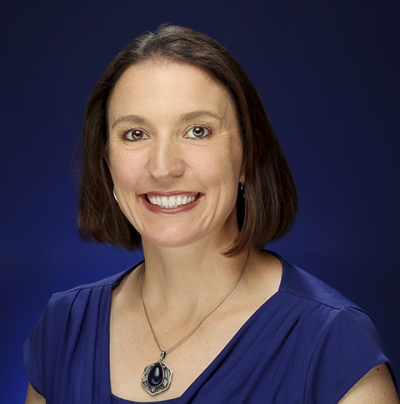 Please describe the courses you teach: General Education, undergraduates of all majors who are seeking to fulfil their diversity and inclusiveness or global perspectives requirements.