
Psych & Socio of Human Movement: KINE 3400
Psych & Socio of Human Movement: KINE 3400
Purpose: to help other instructors teaching the same course
Common Course ID: Psychology and Sociology of Human Movement: KINE 3400
CSU Instructor Open Textbook Adoption Portrait
Abstract: This open textbook is being utilized in a Kinesiology course for undergraduate students by Christopher Hill at California State University, San Bernardino. The open textbook provides an overview of the major topics in sport and exercise psychology. Specifically, this text is divided by sport and exercise topics and cover the most up to date material in the field. The main motivation to adopt an open textbook was to help lower to academic related costs for my students. Also, electronic resources seem to be used more than traditional texts. Most student access the open textbook from the website specifically dedicated to the open-access text. Also, specific chapters are loaded into the course management system.
Psych & Sociology of Human Movement: KINE 3400
Brief Description of course highlights: Psychology and Sociology of Human Movement (3 units): The theoretical foundations and practical applications of psychological and social concepts of sport, exercise, rehabilitation, and physical activity. Discussion topics relate to psychological components of human movement as well as components relating to social interactions and social institutions. This course is a Major Course for Kinesiology Students.
Student population: The students who take this course are traditionally Kinesiology majors. They are about at a Junior standing. Students normally have a strong background in the core Kinesiology classes we teach at CSUSB but have very little background in both sociology and psychology.
Learning or student outcomes:
1. Evaluate peer reviewed research in kinesiology.
2. Understand various psychomotor, psychological, cognitive, and behavioral parameters of in a variety of populations
3. Evaluate personal opinions through the utilization of kinesiology
4. Analyze various means to improve, attain, or re-attain physical fitness
Key challenges faced and how resolved: I had an easy introduction to OER. I knew about this resource and the editors did a comprehensive job developing the text. It covers the majority of material that I traditionally cover in the course.
Textbook or OER/Low cost Title:
Brief Description: This OER had very similar topics covered compared to my past text. Therefore, I only had to make slight changes to my lecture materials. I also had to make changes to the syllabus that I would consider minor.
Because of the OER that I now use, I would say that more students engage with the readings at home before coming to class. The increase in student reading has lead to increases in average test scores. Students have also approached me about other chapters in the book that we do not cover in the class. Using an OER has led to students engaging in other material outside of the class. This change in student behavior has made for a more enriched learning environment.
Student access: I post the files of the individual chapters of the textbook with the lectures slides that they are associated with. However, I also post the entire file of the book at the beginning of the learning management system. The book can be found at the following link: https://kinesiologybooks.org/index.php/stork/catalog/book/10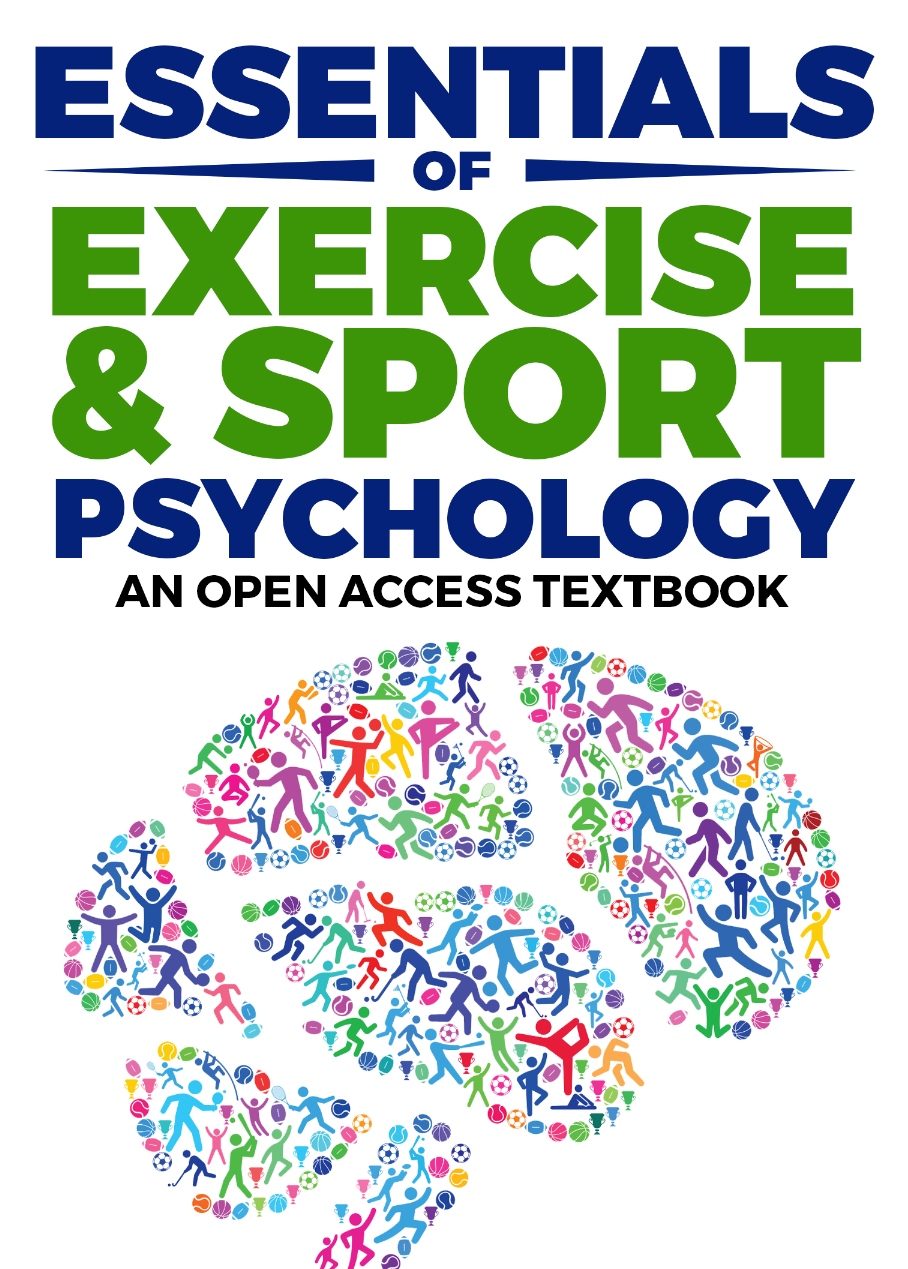 Students are engaging with other sections of the book that are not covered in class and I believe that student engagement with the reading is now higher than it was when I was using a text book in the past.
Cost Savings: The previous text cost $75. I have 41 students currently enrolled and my current text has no cost associated with it. Therefore, I have created a single semester savings of $3,075 in Fall of 2021. In past semesters I have taught over 120 students in this course, which would lead to a much higher savings rate.
OER/Low Cost Adoption Process
Provide an explanation or what motivated you to use this textbook or OER/Low Cost option. I had multiple motivations for adopting OER. First, textbook costs have been inflating over the past few decades. The cost of college is also rising. I wanted to provide a learning experience that minimized external costs. Secondly, I am a co-author on some of the chapters in this text. It was a project started by a fellow CSU faculty member and I was asked to contribute. I also know the majority of the authors in a professional manner and they are top scholars. I knew the text would be a quality resource.
How did you find and select the open textbook for this course? I am a co-author on three chapters in this text, so I was aware of this project from the beginning.
Sharing Best Practices: The sustainability of open education relies on sharing with others. Please give suggestions for faculty who are just getting started with OER. List anything you wish that you had known earlier.
It is easier than you think to transfer your class to an OER. You will likely only have to make small tweaks to your current class in order for your current materials to be coherent with many OER materials.
Also, if you are not happy about the current state of OER opportunities in your field, get together with colleagues and make your own! It takes work and dedication, but it can make a lasting impact on your field.
How do you plan to share this OER experience with other faculty, staff, etc. who develop curriculum and teach?
I spend a lot of time communicating with my peers in my department about the benefits of open educational resources. I encourage them to try the resources with their classes so that they can see the benefits of open resources. In terms of helping other faculty, I also encourage them to talk to librarians and their colleagues in the field to help them locate resources that would be best for student learning.
 Christopher Hill
Assistant Professor, Kinesiology Department
California State University, San Bernardino
My research is in Sport and Exercise Psychology. I teach at variety of courses at CSUSB including, but not limited to, Statistics for Kinesiology, Orientation to Kinesiology, and Exercise and Well-Being of the Human Body.