Physics 202A, General Physics 1
Physics 202A, General Physics 1
Purpose: to help other instructors teaching the same course
Common Course ID: Phys 202A, General Physics I
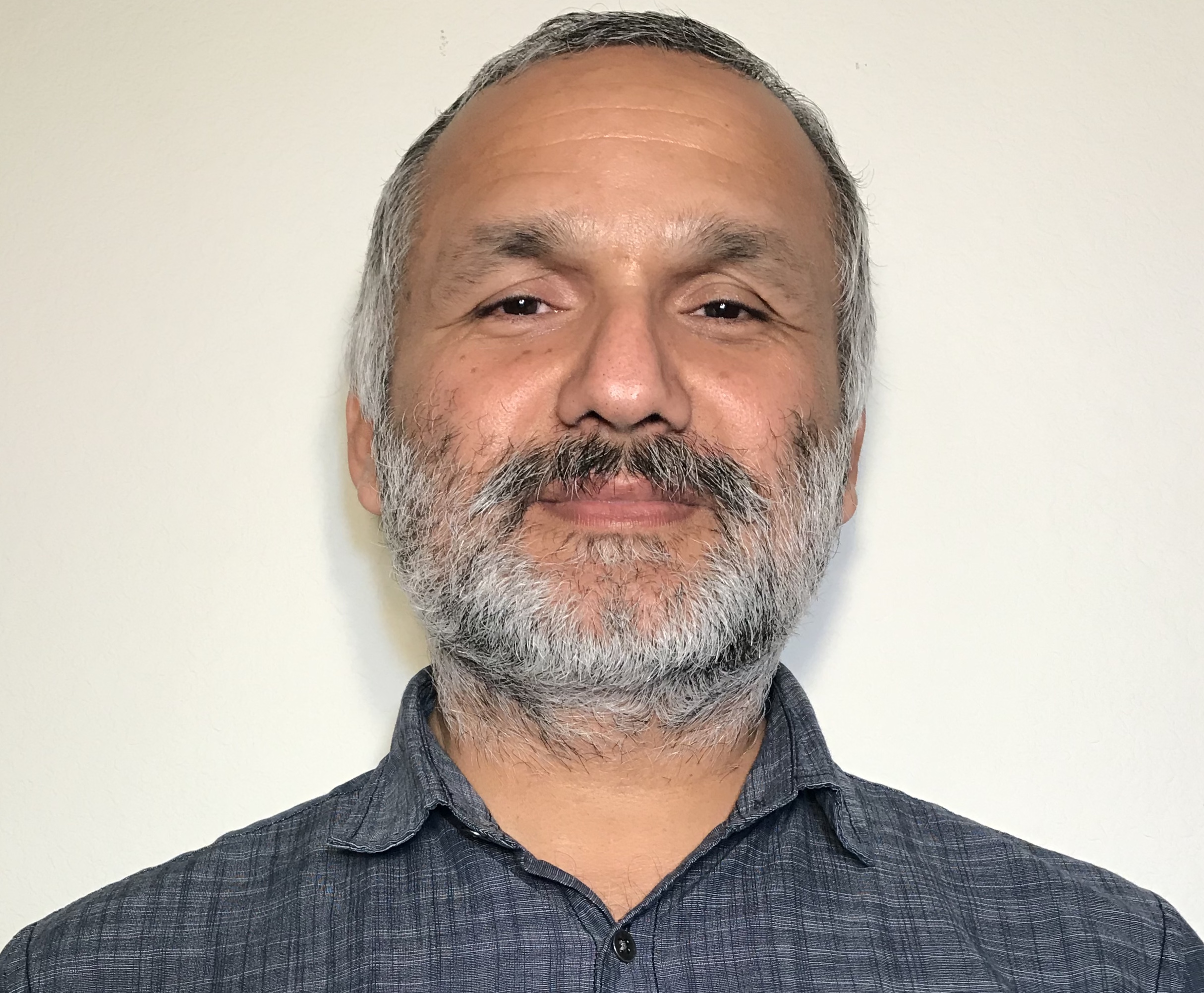
CSU Instructor Open Textbook Adoption Portrait
Abstract: This open textbook is being utilized in a Physics course for undergraduate students by M Thapa at California State University, Chico. The main motivation to adopt an open textbook was to save students money and hence to promote equity in the course material. Most student access the open textbook from the website: https://openstax.org/details/books/college-physics
Phys 202A, General Physics I
Prerequisites: High school physics or faculty permission. High school trigonometry and second-year high school algebra or equivalent (MATH 051 and MATH 118 at CSU, Chico)
Student learning outcomes: (1) Communicating basic scientific knowledge and the scientific process (2) understand some fundamental ideas of physics (3) Problem solving skills and (4) general physics lab skills
Student population: This course is taken by physics non-major students to fulfill degree requirement for their majors. Though varies from semester to semester, majority of students are from construction management, biochemistry and health science majors. These students could lack required mathematics skills because they may have taken mathematics courses in high school long ago. Nearly two third of students’ population belongs to the first-generation college students, economically disadvantage group and minority.
Learning or student outcomes: I am still learning how to use OER book effectively and I am trying to contact like-minded collaborators / educators so that we could discuss and share ideas and issues. Currently, I have no data to claim whether students’ grades and retention improved by adopting the OER book. Mismatch in term of symbols used in OER textbook and online homework system had created frustrations among students. .
Key challenges faced and how resolved: Sometimes, students got confused and had bought hardcopy of OER book which is almost equivalent to buying commercial book though I had clearly mentioned in my welcome email to them that the book can be freely downloaded. So, I started not to mention book name in the welcome email and bookstore list and they were informed on the first day of the class. Only online homework system information (such as mastering physics, expert TA) was provided.
Textbook or OER/Low cost Title:
Brief Description: As part of the OER adoption, I used OpenStax college physics textbook. Additionally, I used freely available ISLE (investigative science learning environment) materials.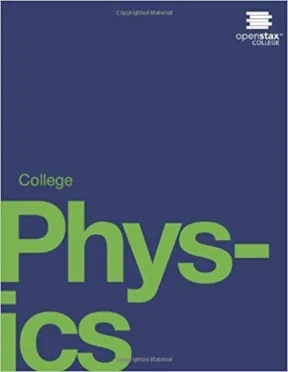 Student access: Students accessed the textbook from the website: https://openstax.org/details/books/college-physics
Cost Savings: If a student chooses to use pdf or online version of OER textbook, the he/she will save around US$ 100 on average assuming the student could use rented/used version of the commercial book.
OER/Low Cost Adoption Process
Provide an explanation or what motivated you to use this textbook or OER/Low Cost option. Main reason to adopt OER for my course is to save students money and hence to promote equity in the course material. Since I have used OER materials in a community college for different course, this motivates me to use for this course. Additionally, I have been using and recommending the book to students while using the commercial books. Sometimes, students got confused and had bought hardcopy of OER book which is almost equivalent to buying commercial book though I had clearly mentioned in my welcome email to them that the book can be freely downloaded. So, I started not to mention book name in the welcome email and bookstore list and they were informed on the first day of the class. Only online homework system information (such as mastering physics, expert TA) was provided.
Sharing Best Practices: At a community college, students were really happy when I had adopted OpenStax textbook because they got free textbook and naturally saved money. At that time, they didn’t buy any online homework system because I was able to grade their assignments as class-size was comparatively small. I may be able to collect students’ feedback for this course once the OER book will be implemented.
Mahendra B Thapa, PhD.
California State University, Chico
Physics Department