
Upper division writing
Upper division writing
In an effort to provide a class that is accessible and at a lower cost, Prof Archer has borrowed this space from Merlot (a tech company) in order to share the various texts that a writing class may borrow from. This is just a repository. Students should download the relevant textbooks to a device so that they have access to them or bookmark their location when able.
Technical Writing
by DeSilva, Hamlin, Naas, Rubio, Savage, Merck, and Gross.
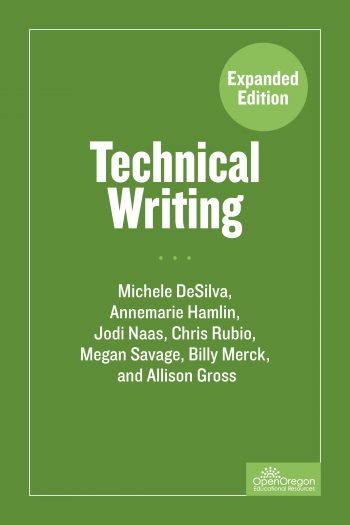
DeSilva, et al
Directions: Download this book and name it "DeSilva, et al."
Download the file you prefer.
This text is rather strong with a lot of good ideas and perspectives, I imagine inasmuch as there are so many authors, that's an inevitability.
Open Technical Writing
by Adam Pope
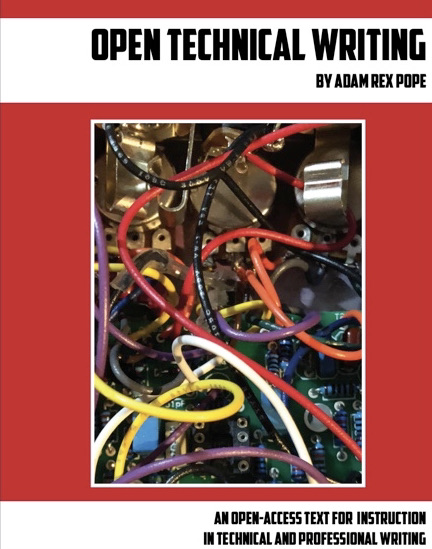
Pope
Directions: download as a .pdf
Save as "Pope"
Pope's textbook is filled with a lot of the newer scholarship surrounding composition. It is very readable and accessible despite a few typos. But, come on, it's a lot of text to not have ANY typos.
Technical and Professional Writing Genres
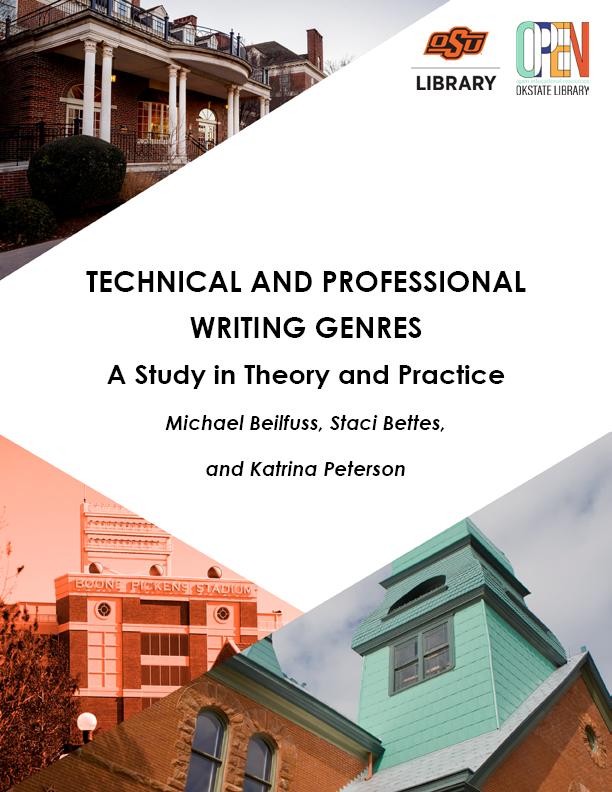
Beilfus, Bettes and Peterson
This text offers some general guidance using genre as a guiding principle. I'm not a fan of all of their examples, but, then again, there are SO many ways that PW happens, there is not clear "right" way, only generalized preferences.
Can be downloaded as a PDF.
Workplace Writing
by Goins, Rauh, Tarner and Von Holten
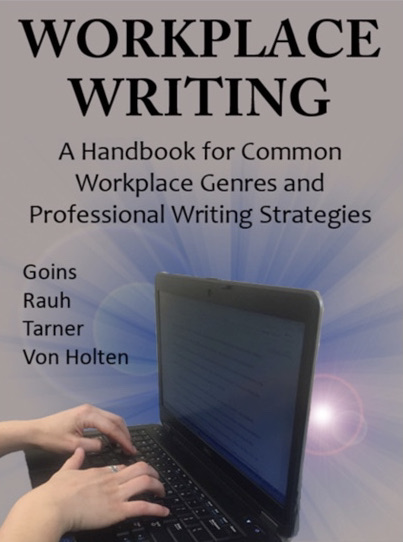
Goins, et al.
Directions: Download and save as "Goins, et al."
This text has some great information, but they use language talking about writing that I don't like: "proper" or "good" or "correct" grammar; "professionalism."
Ignore all that judgmental stuff. Still, some good ideas on genre, purpose, and intent of writing outside academia.
Intro to Public and Professional Writing
by Roger Williams U
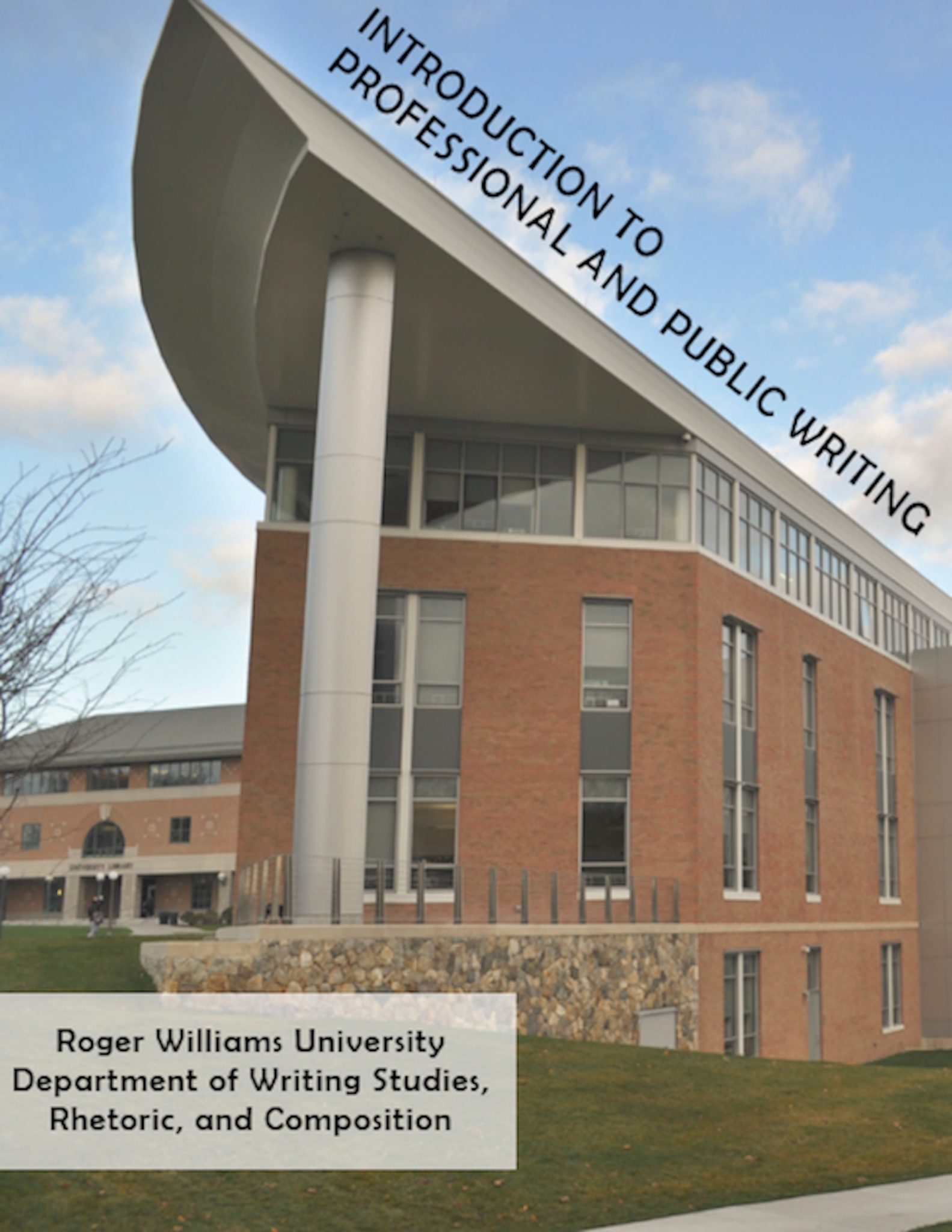 RWU IPP
Directions: follow the link and name it "RWU IPP"
First this to know, this is Web access only. So save it as a link to access it when we need it.
This textbook is a collaborative effort. It is to the point, it is written for a localized audience (which can cause issues). But in the main the scholarship and the perspective on both Public and Prof writing is borne of the same or similar discourse as I would write.
Business Communication for Success
by Anonymous 
Bus Com 4 Success
Directions: Download and save as "BC4S"
This text is available in all kinds of formats. It's a unique kind of text in that it's a bit of a hybrid from other OER texts and the authors do not want attribution (red flag kind of thing there).
Obviously we will not use a lot of an anonymous text but a couple of chapters will serve some purposes well.
Technical Writing Essentials
By Susan Last, Candice Never and Monika Smith
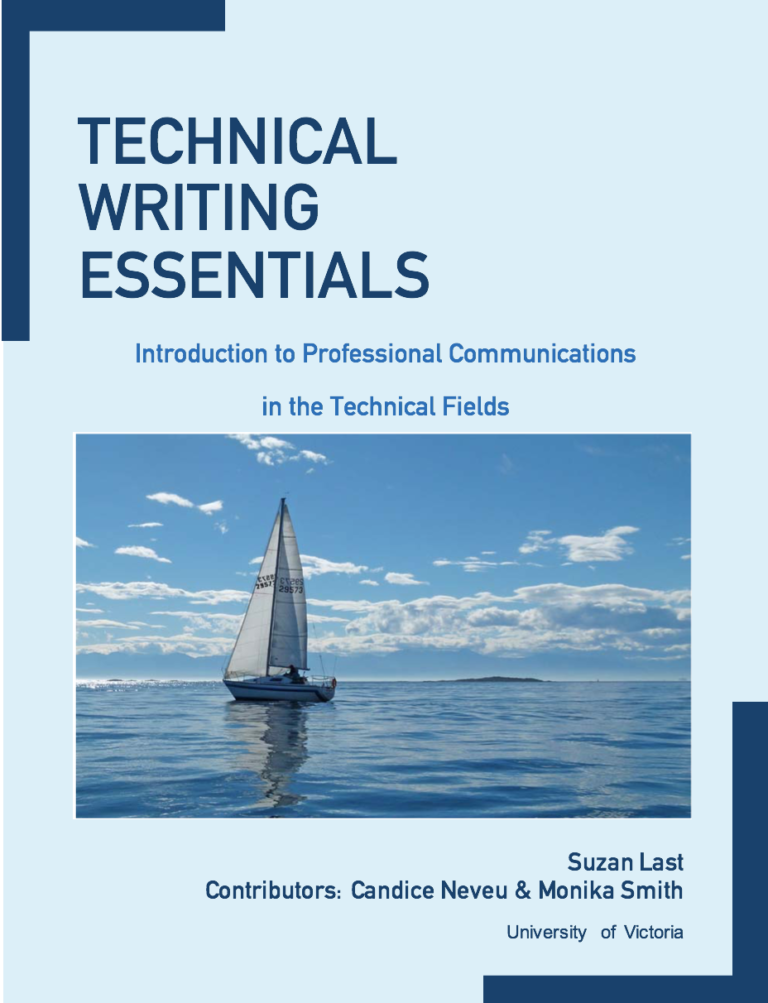
TWE; Last, et al.
This is downloadable as an interactive PDF. Score.
This text is a localized version for a campus in British Columbia. It seems that they use the phrase "genre" less than I do, but it's still very genre driven. There's lots of great rhetorical and contextual information here.
https://pressbooks.bccampus.ca/technicalwriting/
This website has been updated the last time the author was not lazy.
by Michael Metts and Andy Welfle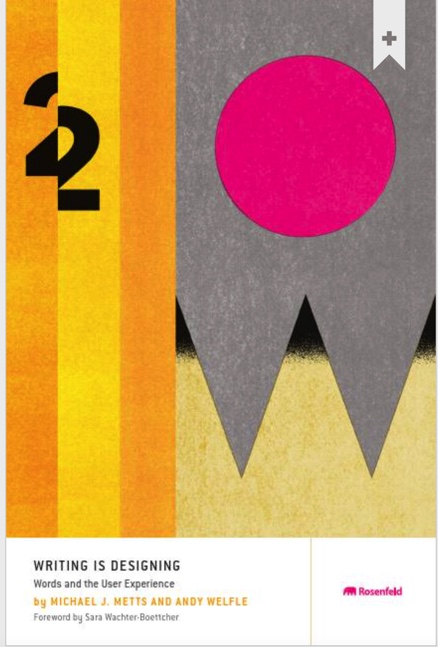
Metts and Welfle
This textbook is located as an ebook on the Concordia Library website. You can access it online at anytime.
It is a complex book that outlines a theory that writing and design are similar actions. In that theory they write extensively about the testing of the design process as a way for writers to better use writing and language.
Observing the User Experience: A Practitioner's Guide to User Research
Elizabeth Goodman, Mike Kurniavsky, and Andrew Moed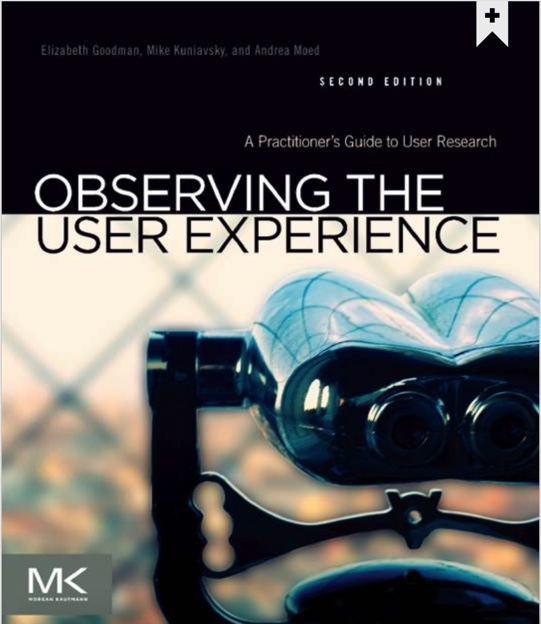
Goodman, et al.
This dense text is not written for the casual UX attendee. This is an intense and complex text that speaks specifically to an audience with specific design, software, and hardware experiences and fluency. However, there are many of the same principles that we can apply to our situation.
Tom Tullis and Bill Albert
Tullis and Albert
This is more text on UX than we could ever use in a writing class. Still, in this textbook, available on the Carl B ebook resources, you can find invaluable information on testing, writing, and so much more.
Torrey Podmajersky
Podmajersky
This textboook does a nice job of breaking the parts of corporate digital UX and break it into a series of components and project models. It is accessible and there are some cool sections that focus exclusively on testing and writing.