Week Six February 8-12
Week Six February 8-12
INSTRUCTIONS: Review the following information and explore other resources on your own. Create a presentation that displays your understanding of the multiple perspectives of the women's movement. You may build on the information below or explore the women's movement of a cultural perspective of your choice. Also, add this assignment to your e-Portfolio. Do not forget to use credible sources and site them in a reference page using APA 7th Edition.
Ida B. Wells-Barnett
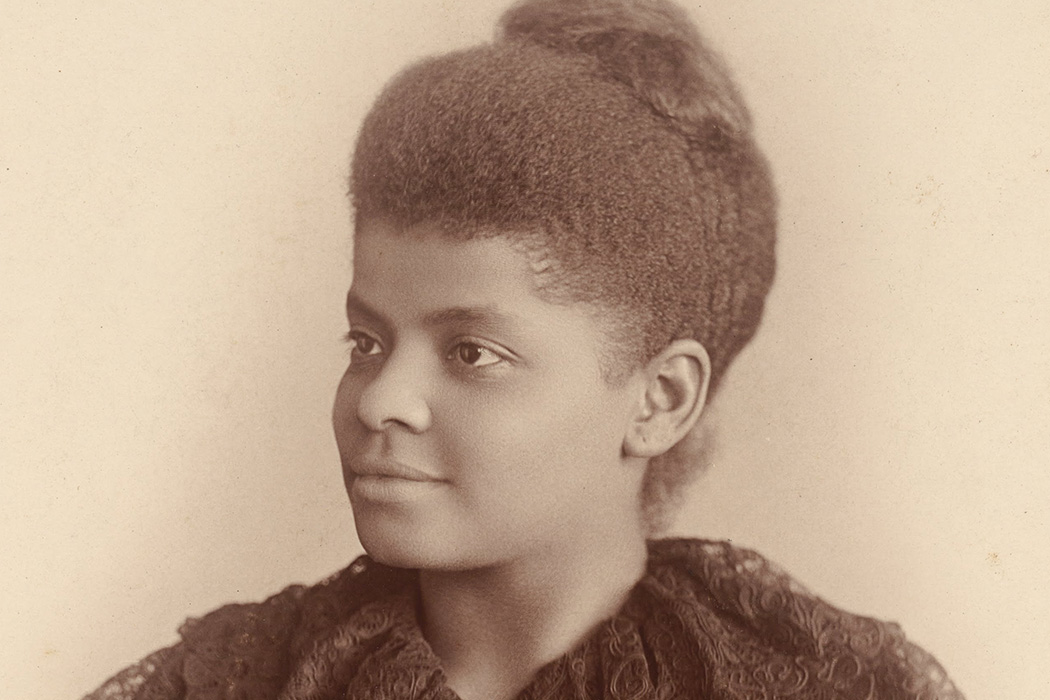
Black women’s experiences in the suffrage movement show that the Nineteenth Amendment marked one event in the fight for the vote, not an endpoint.
Research Ida B. Wells-Barnet and add slides to presentation that prove your understanding. You will present your slides to the class. Do not forget to use credible sources and site them in a reference page using APA 7th Edition. Determine Context: Why is it not surprising that Lucretia Mott and Elizabeth Cady Stanton met at an antislavery convention?
Black Women & The Suffrage Movement: 1848-1923
Between Two Worlds: Black Women and the Fight for Voting Rights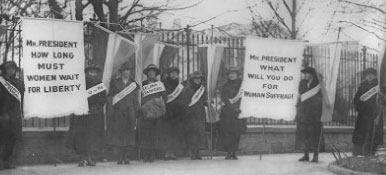
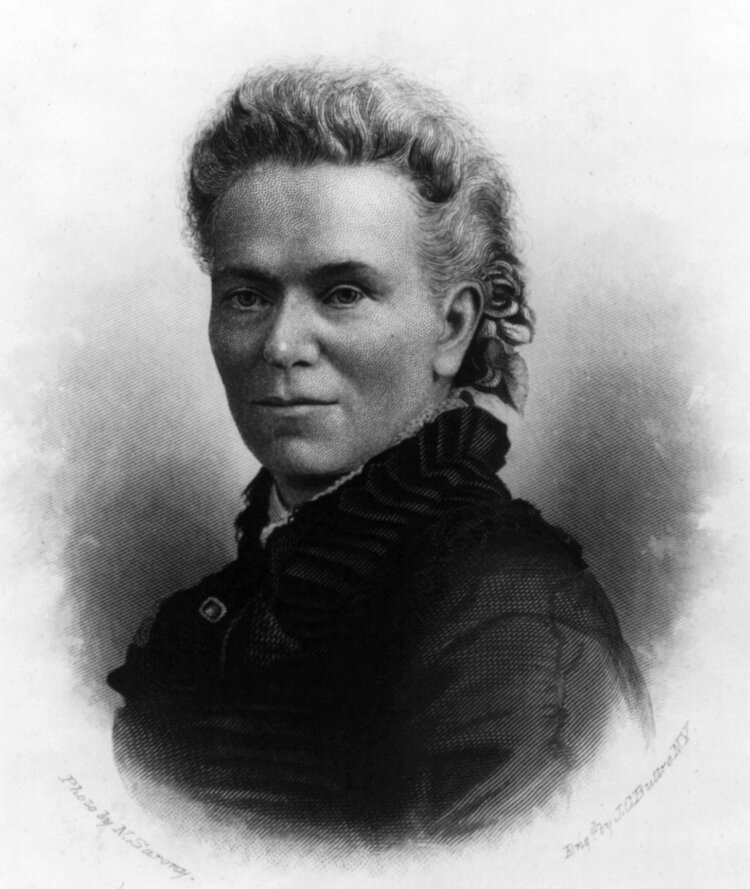
How Native American Women Inspired the Women’s Rights Movement
At mid-nineteenth century, the majority of women living in the United States -- that is to say, single and married white women, as well as all enslaved women -- had no say in family or government decisions. It was illegal in every state for women to vote. They could not serve on a jury, sue or be sued, write a will or in any way act as a legal entity. Haudenosaunee women, on the other hand, maintained their own identity and all their rights to their body, property, political voice, and children whether married or unmarried before colonization.
Gertrude Simmons Bonnin
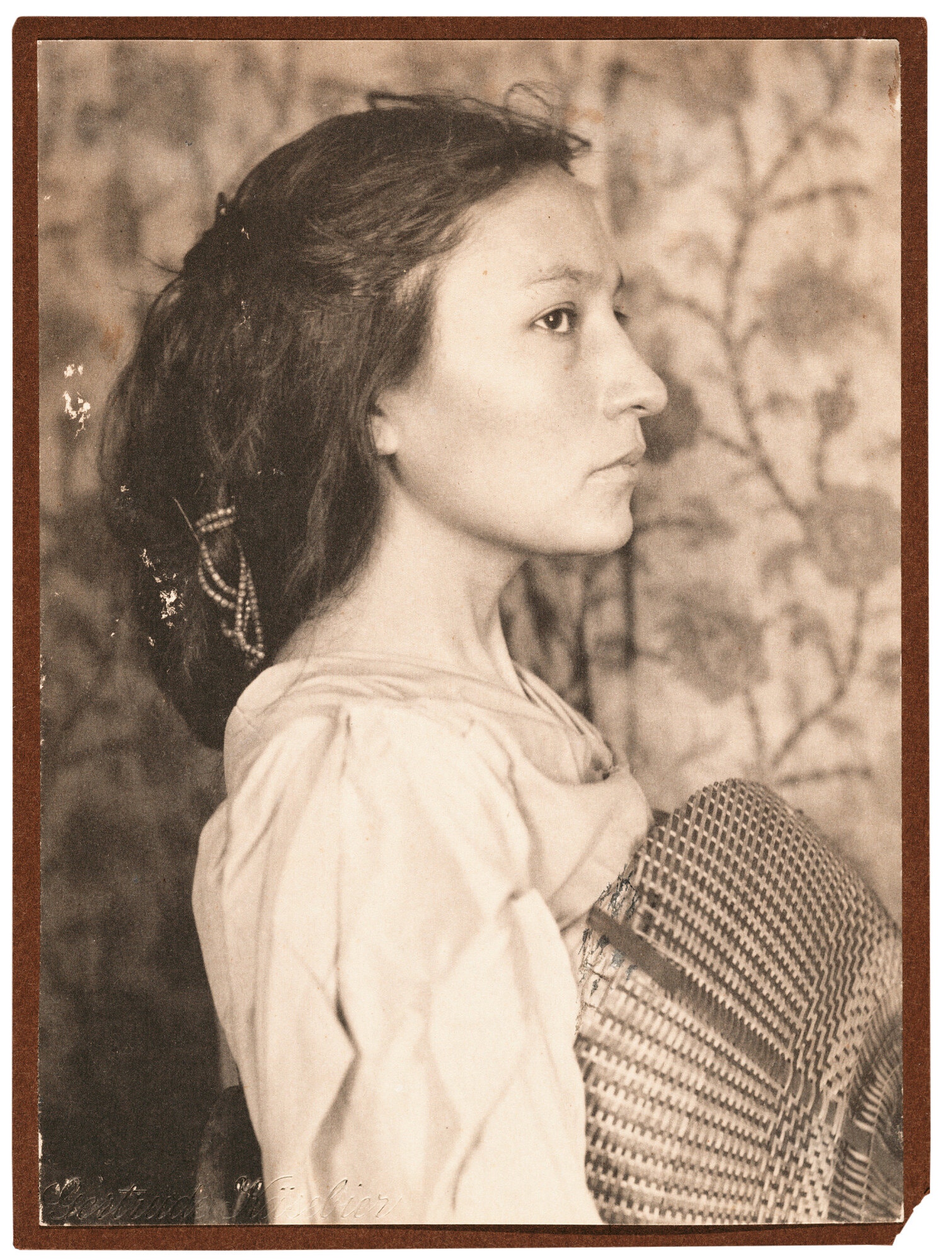 In 1920, Native Women Sought the Vote. Here’s What’s Next.
The Indigenous suffragist Gertrude Simmons Bonnin, also known as Zitkala-Sa, a citizen of the Yankton Sioux Tribe. After the ratification of the 19th Amendment, she reminded the rejoicing, newly enfranchised white women that the fight was not over. Credit: National Museum of American History.