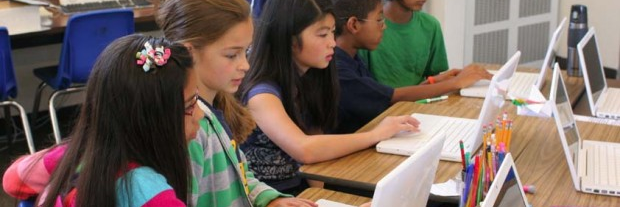
Application • Theoretical Concepts
Application • Theoretical Concepts
Interaction: A well-planned course provides a variety of opportunities to interact with information and peers. One example of interaction is providing students with built-in opportunities to interact with and access information using a variety of resources such as readings, videos, and informational graphics (Boettcher, 2007).
Collaboration: Allowing students choice brings personal meaning and connections to the information (Boettcher, 2007). Activities involving collaboration help students feel connected and give opportunities for learners to establish meaningful correlations and relationships through discussion forums, blogging, and small group work.
Informational Graphics: Another aspect of good design is not only providing informational graphics as a resource but allowing students to show their learning in a visual form.
Media: Some examples of learning activities that would illustrate learning through media or graphics would include creating a slide presentation, video, or an info-graphic which can be used to summarize or assess student learning (Boettcher, 2007). Making students learning visible requires students to be engaged as they create, write, explain, and report (Boettcher, 2007).
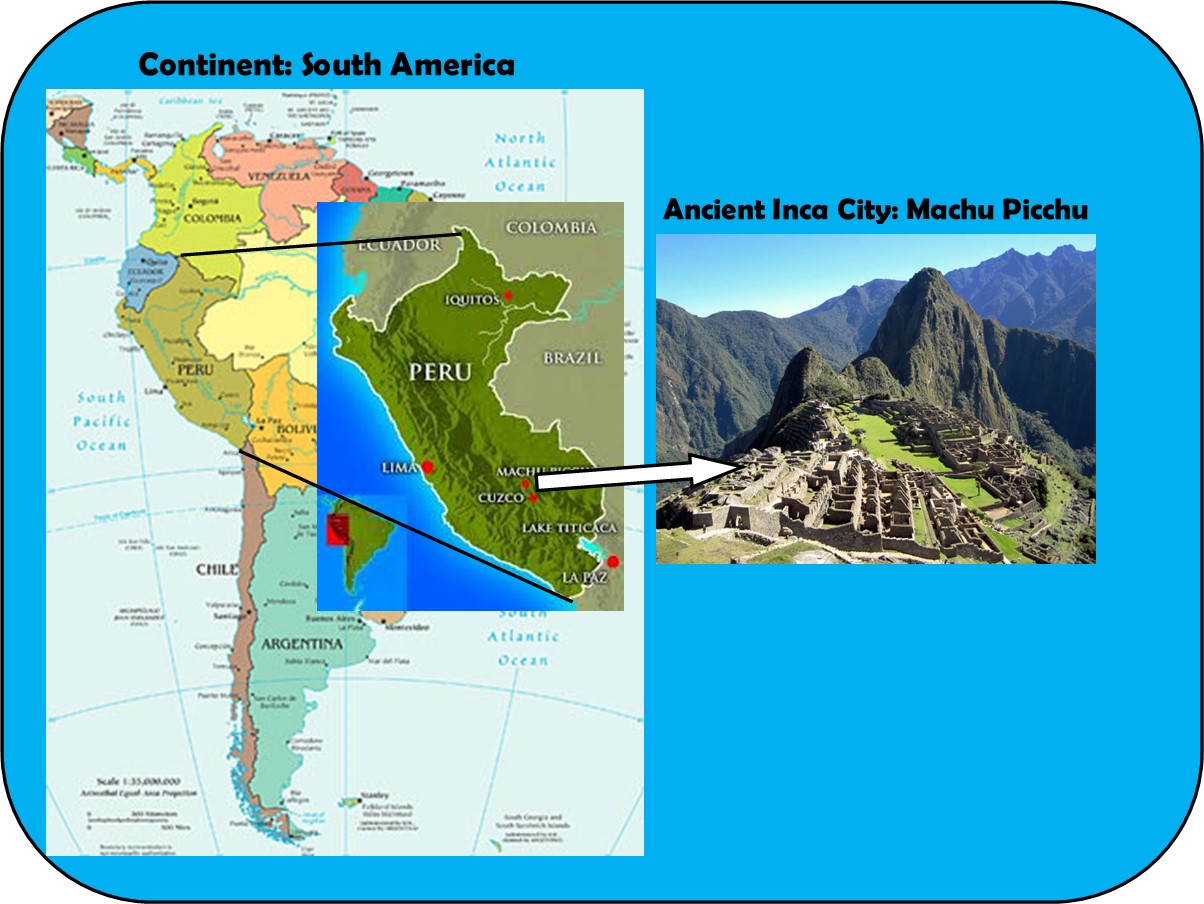
Visual vocabulary is when new terminology is introduced to the learner in a visual format. For instance, the new term is Machu Picchu. Instead of presenting the information as a definition, text only. The learner is presented with a map of South America, with the following label Peru and an additional inset image of Machu Picchu. This visual vocabulary incorporates both opportunities for dual coding and the application of cognitive load theory by allowing the learner to process the text and visual information at once without cognitive overload.
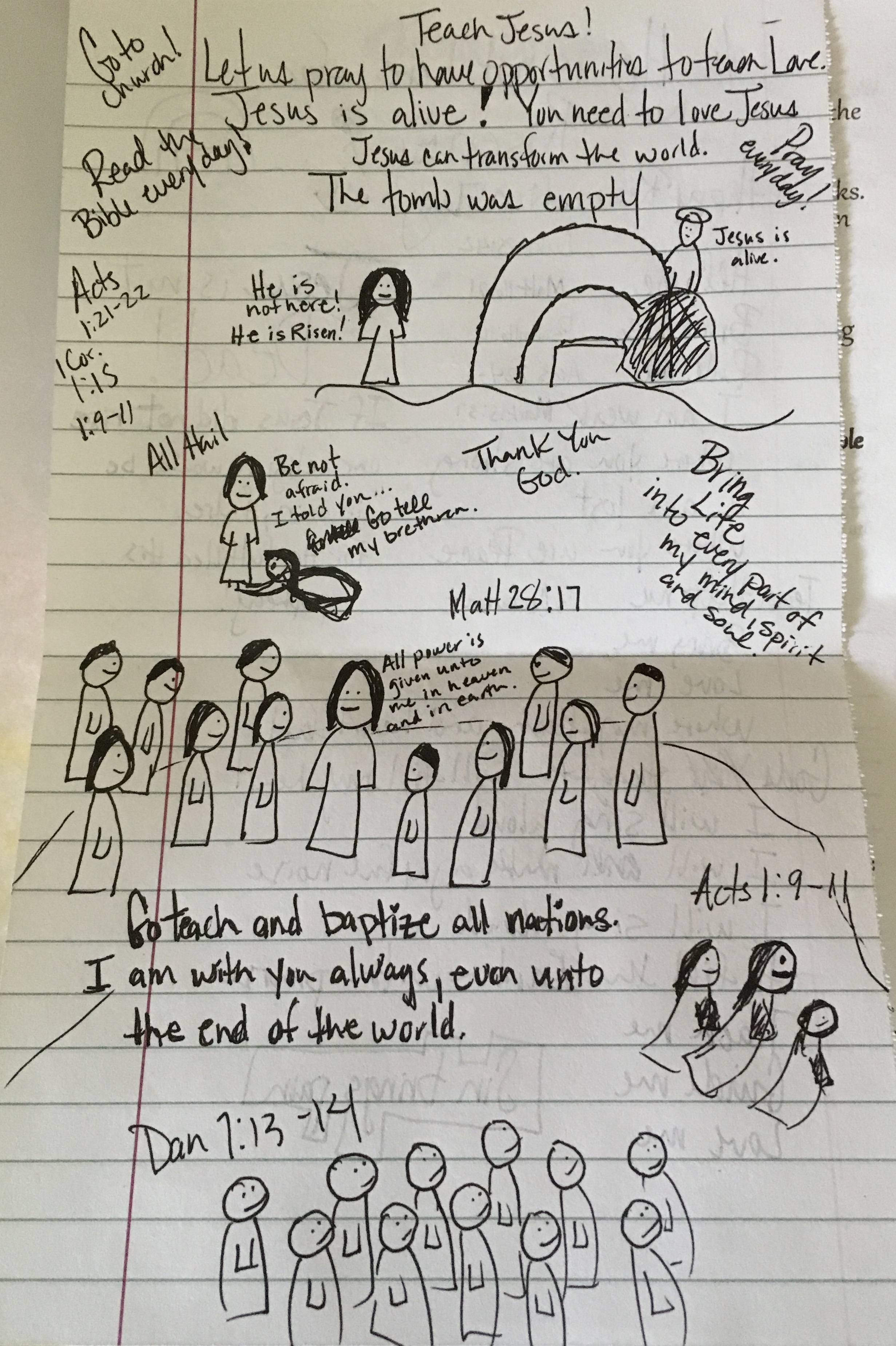
Sketchnotes are transcripts of lectures that are created by learners. In Sketchnotes, students replace multilevel notes with images they create as they listen to a lecture. The Sketchnotes provides an opportunity for learners to transform a lecture into a visual reference of information. Sketchnotes fundamentally provide an opportunity to dual code information, first by actively processing verbal cues from a lecture into mental images, second by processing the information into an image on paper.