Key Theorists
Key Theorists
Constructivism was built by a host of educational researchers; it is a theory that has continued to be adapted and updated since the earliest days of educational philosophy and research. The link between these individuals is an accent on the active nature inherent in constructing new skills and knowledge. Designing activities and opportunities that motivate learners to build upon prior knowledge by doing instead of passive learning is key.
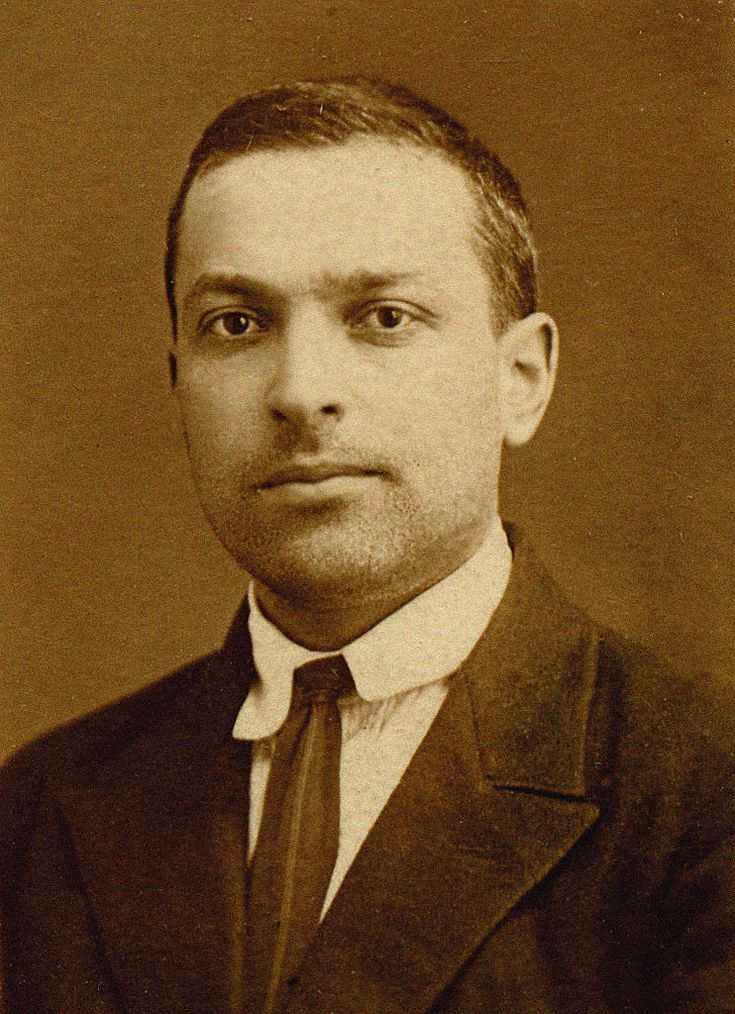 |
| Constructivism’s early inception is tied to Lev Vygotsky’s Social Development Theory. Vygotsky identified three key concepts in his theory: social interaction, the more knowledgeable other (MKO), and the zone of proximal development. Vygotsky suggested learning could not take place without social interaction, including a knowledgeable teacher/mentor. This role can be filled in 21st century learning by a computer program or simulation. Finally, the zone refers to how much a learner needs assistance and when they transition to being able to perform independently; learning occurs in this zone (Yoders, 2014, p. 13). Much of his published work was not appreciated until the 1960s or later. More. |
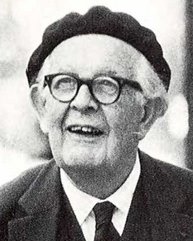 |
| The term “accommodation” is one used by Jean Piaget to illustrate the social and interactive nature of building upon prior knowledge to construct new understandings (Chan, 2010, p. 29). The cognitive development theory he espoused suggested that learning must have meaning and value to the student. Conflict in concept could derail learning, while assimilating new knowledge in a logical and applicable manner would improve retention. Piaget looked at the intellectual development of children, not seeing them as mini-adults. More. |
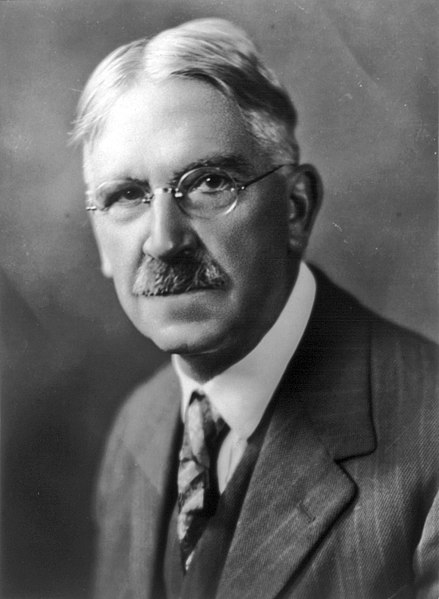 |
| The use of active participation and learning opportunities is a fundamental concept in John Dewey’s “Learning by doing” theory. He questioned the universal use of passive instruction, noting the research that proves it lacking as compared to experiential learning. Dewey also accented the importance of analysis and reflection, applying what is learned to real world events in a variety of settings (Smart & Csapo, 2007, p.452). He is well known for his book Democracy and Education written in 1916. Dewey’s work has been studied and appreciated by many generations of educators, and still provides a viable framework for designers today. More. |
 |
| Jerome Bruner. When researching Constructivism, Jerome Bruner is often cited as a leading figure. Clearly his work built upon that of those noted above. Bruner developed the Discovery Learning method, which recommends that learners be provided opportunities to discover on their own (Pappas, 2014). This is a move from “sage on the stage” where the teacher is the primary source of knowledge to “guide on the side” in which the teacher provides assistance as needed. His book Acts of Meaning condemns the push to see the mind as a processor, accenting the importance of creating meaning. More. |