Fall Semester 2017
Fall Semester 2017
Medical Terminology for the Health Profressions HP115
Course Description
This course focuses on the study of the prefrixes, suffixes, and root words commonly found in the field of medicine and healthcare.
Course Learning Outcomes
At the completion of this course, the student will be able to:
1. Identify and define four word parts.
2. Analyze and define medical terms.
3. Build medical terms for given definitions.
4. Build, analyze, define, pronounce and spell diagnostic terms.
5. Define and pronounce terms used to describe body directions, anatomical planes, and anatomical regions.
My Course Assessment and Final Outcome
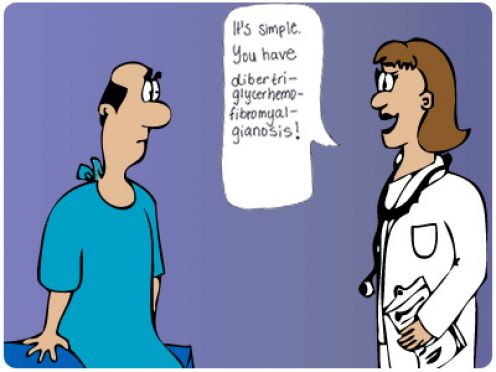
This course was a 9-week course on-line and consisted of 13 exams. This course was informative and straight forward in it's layout of information. After learning the definition of the suffixes and prefixes and applying their meaning to the root words I was amazed at the wealth of knowledge that is suddenly accumulated of 100's of terms used in the medical field.
This class proved to be the most fun for me because I love to make flashcards for my study purposes and now I have a beautiful, coloful collection on 13 key rings of medical terminology! While learning to match the proper suffixes/prefixes to the correct root, I felt like I was working a crossword puzzle or playing word puzzles instead of studying. With much enjoyment I completed this course with an A.

Principles of Sociology SOC121
Instructor: Dr. Rhonda Priest
Course Description
An examination of social dynamics and consequences of social life. The main topics are culture, social groups, socialization, deviance, social stratification, race relations, gender, and family. Through readings, lectures, class discussions, and assessments, students will become familiar with sociology as an academic discipline. Additionally, students will learn how to apply the "sociological imagination" in order to see how larger social forces affect individuals.
Course Objectives
Upon successful completion of the course, students should be able to:
1. Explain fundamental sociological theories, concepts, and research methods.
2. Apply sociological perspectives to various issues and problems in society.
3. Analyze sociological findings and claims.
4. Develop sociological questions.
My Course Assessment and Final Outcome
"Let food be thy
medicine
and
medicine
be thy food"
--Hippocrates

Introduction to Food, Nutrition, and Dietetics NUTR203
Instructor: Professor Elizabeth Ramos
Course Description
This course provides students with a general overview of practice in food, nutrition, and dietetics. Students gain a beginning understanding of state and national credentialing requirements, certification standards, ethics, and life-long learning needs.
Course Learning Outcomes
The learner will be able to:
1. Compare and contrast the current knowledge and skills needed and performed within the food, nutrition, and dietetics fields.
2. Define and examine required certifications, credentialing requirements, and licensure requirements within the fields of food, nutrition, and dietetics.
3. Discuss the role of life-long learning/continuing education necessary for the food, nutrition, and dietetics fields.
4. Investigate employment opportunities for those individuals within food, nutrition, and dietetics.
5. Demonstrate knowledge of nutrition as it applies to food service, dietetics, and wellness.
My Course Assessment and Final Outcome
The information provided by this course highlighted the 3 areas of specialty in the health and nutrition field. Nutrition knowledge is essential in food service management in order to be able to comply with government regulations and submit accurate labeling information. They also collaborate with chefs to create nutritious recipes to meet the growing consumer demand for healthier options when dining out. They over see food safety, storage, and meet sanitation requirements. Nutrition plays an important role in health and wellness and professionals in this field help in creating a regiman of physical activity and healthy meal plans. Their knowledge is essential in weight management and disease prevention. Dietitians take nutrition to the deepest level because not only do they know which foods do what for you, but they also know why. Dietitians are educated in the chemistry and the biology of the body, the food, and the reactions between the two. Their depth of knowledge enables a Registered Dietitian to diagnose patients and devise treatment plans.
The assignments were a struggle, not because they were difficult, but because it forced me to examine who I am and what I have to offer. With the encouragement and support of Professor Ramos, I was able to realize that despite my lack of formal education or work experience, that I still have experience and knowledge in other ways that are worthy. Final Grade: A